After 'Leviathan'... 'Tamar' field strengthens energy partnership between Egypt and Israel
Summary: This remains just a non-binding memorandum of understanding between the parties, as concluding the deal is subject to signing a binding agreement, and also requires obtaining an export license from the Israeli Ministry of Energy, in addition to other regulatory approvals.
Economic circles in the Israeli energy sector value the recent gas deal with Egypt as one of the biggest deals signed in the sector, but a new deal of no less importance was the subject of discussion among sector specialists.
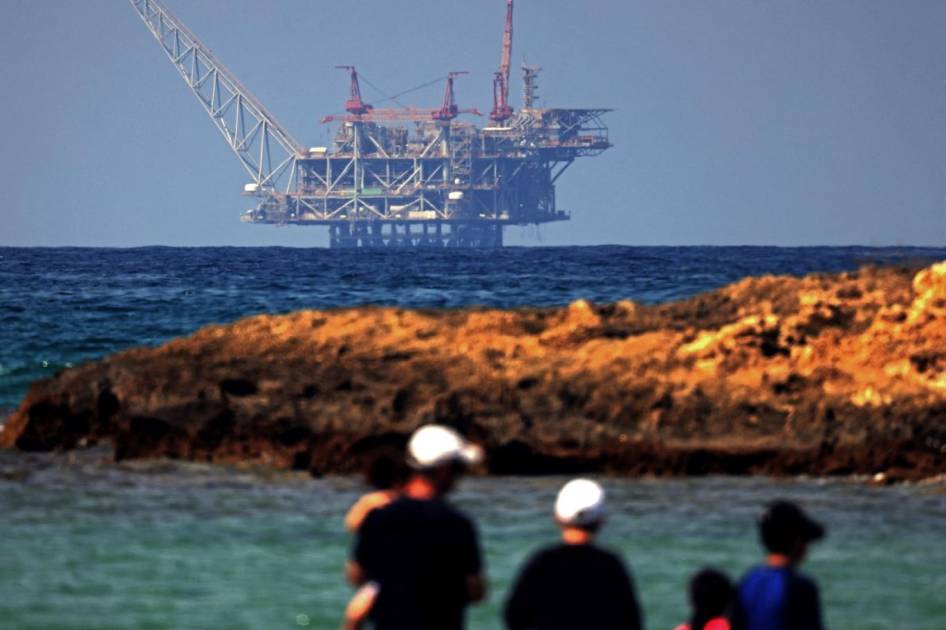
The companies 'Isramco' and 'Mubadala Energy', which together own about 40 percent of the rights to the 'Tamar' field, announced that they have signed a non-binding memorandum of understanding with a foreign company to export natural gas to Egypt.
Deal worth $20 billion
If all partners in the field join the agreement in a way that allows it to become a binding agreement, the export volume could reach about 80 billion cubic meters, and total revenues are estimated at about $20 billion over the duration of the agreement, according to a report by the Israeli economic newspaper 'Calcalist'.
According to 'Isramco', gas supplies will begin in 2031 and continue until the end of 2043, subject to extension of the tenure period of the 'Tamar' field.
The gas price will be determined using a formula based on the price of Brent crude oil, and includes a minimum price, while 'Isramco's' share of the total deal revenues is estimated at about $5.75 billion.
What about the other partners?
However, this remains just a non-binding memorandum of understanding between the parties, as concluding the deal is subject to signing a binding agreement, and also requires obtaining an export license from the Israeli Ministry of Energy, in addition to other regulatory approvals.
Moreover, the remaining partners in the field, including 'Chevron', 'Tamar Petroleum', 'Dor Gas', and businessman Aaron Frankel, have not yet announced their intention to join the deal, and their non-participation would significantly reduce the scope of the deal, limiting it to the shares of 'Isramco' and 'Mubadala'.
Egypt faces a compound gas crisis: while the import bill rises by about 195 percent on a monthly basis, production appears to be on a declining path, leaving a missing production gap, which drives the country to secure its needs from abroad under pressure on hard currency.
Boosting exports
The step comes within the framework of an agreement signed last summer between partners of the 'Leviathan' company and 'Blue Ocean Energy', which includes exporting 130 billion cubic meters of Israeli natural gas to Egypt by 2040, worth approximately $35 billion, and this deal was previously described as the largest export deal in the history of the Israeli economy.
The newspaper report notes that the massive 'Leviathan' deal, the recent completion of construction of a subsea pipeline that will improve and expand export capacities to Egypt, and the emerging agreement at 'Tamar', as partners only recently announced the completion of production expansion works, reflect the strengthening of cooperation between Israel and Egypt in the energy sector.
Read more
Will the gas deal end the strained relations between Egypt and Israel?
Smotrich enters the line of tension in the Israeli gas deal with Egypt
Israel obstructs the gas deal with Egypt... Is it using it as a political pressure card?
While gas companies try to expand export deals, the energy sector in Israel is still awaiting the publication of the final conclusions of the committee headed by the Director General of the Ministry of Energy, Yossi Dayan, which was appointed about two and a half years ago to study and update the natural gas sector policy and gas export policy from Israel.
At the beginning of last week, Dayan participated in a discussion held by the Knesset Economic Committee, where he stated that the work of the committee he heads has been completed, and its results are expected to be published within days, but even after this statement, the recommendations have not yet been published.
Major changes
The 'Lobby 99' organization appealed yesterday to Energy Minister Eli Cohen and his office's Director General Dayan, demanding the publication of the committee's conclusions without delay, even before the dissolution of the Knesset and the transition of the government to a caretaker government ahead of the general elections scheduled for October 27 of next month.
While the Dayan committee delays publishing its final conclusions, it is clear that the natural gas economy is still operating based on a policy set years ago, despite the changes that have occurred in it, along with major changes in the security and geopolitical reality in the Middle East.
There are three operating natural gas fields in Israel: the 'Tamar' field, which contains about 300 billion cubic meters, and Chevron, the field operator, owns a 25 percent stake; the 'Leviathan' field, which contains about 600 billion cubic meters, and Chevron also participates with a 40 percent stake; and the third field 'Karish', which contains about 100 billion cubic meters, owned and operated by 'Energean'. This means Chevron manages approximately 90 percent of Israel's gas reserves, giving it significant influence in the Israeli natural gas market.
The deal to supply gas from the 'Leviathan' field to Egypt has raised old Israeli concerns about reserves running out in less than 20 years, countered on the other side by pride among the field's operators over the achievements of the largest deal in the country's history.
According to a report by Moody's, electricity demand in Israel will increase by 9.9 percent annually until 2028, meaning a demand increase of 3-3.5 percent annually, and 7 new power plants will need to be built by 2035 to meet the increase in demand, which will mean an increase in domestic natural gas consumption.
Original source: Independent Arabia



Comments (0)
Be the first to comment.