How the Iran War Impacts the Egyptian Economy

Summary: The war in Iran places pressure on the Egyptian economy through the dollar, tourism, energy, and the Suez Canal, but the flexibility of reforms and reserves may limit repercussions if the crisis is contained quickly.
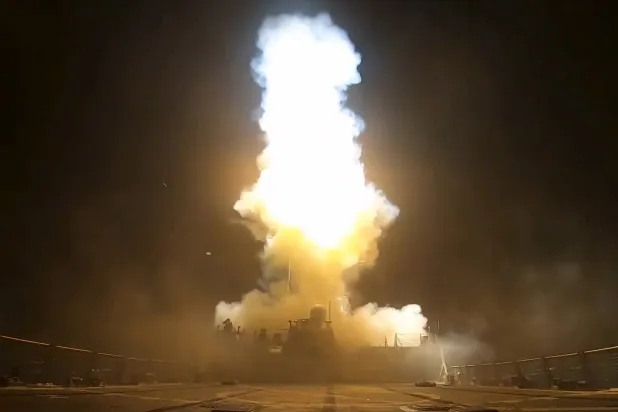
Egypt has not been a direct party to the war between the United States and Iran, but it is almost one of the most exposed regional economies to its indirect repercussions.
Every military escalation in the Gulf quickly reflects on oil prices, navigation traffic, capital flows, and currency markets—all highly sensitive elements for the Egyptian economy.
Although the Egyptian economy has shown some resilience in recent months, supported by the economic reform program and its agreement with the International Monetary Fund, the renewed confrontations in the Gulf open the door to a new wave of pressures that may affect the exchange rate of the pound, inflation rates, Suez Canal revenues, the tourism sector, and the energy import bill.
On the other hand, international institutions still see the Egyptian economy as having a better ability to absorb shocks compared to previous years, although they expect the impact of the war to become more evident during the next fiscal year.
The Dollar... The Most Sensitive Link
Historically, regional wars have driven investors to exit emerging markets and seek refuge in the dollar as a safe haven, which puts pressure on local currencies.
In the Egyptian case, this factor is doubly important because the economy relies on foreign currency inflows from tourism, the Suez Canal, foreign investments, and remittances from Egyptians abroad.
With the start of the war, short-term foreign investments did indeed exit the Egyptian market, and the pound came under noticeable pressure, before markets regained some balance following measures by the central bank and the government.
Estimates from research centers indicate that the war has cost Egypt billions of dollars in tourism revenues, in addition to the exit of short-term investments exceeding $10 billion in the first days of the crisis.
But the greater risk lies not in what has already happened, but in what may happen if the confrontations drag on, because continued high oil prices and increased import bills will lead to higher demand for dollars at a time when some foreign currency sources are declining.
Tourism... The First Source of Dollars Affected
If the exchange market is the mirror reflecting economic pressures, then tourism is often the first sector to pay the price for any geopolitical tension in the Middle East, even if the targeted country is far from the battlefields.
Past experiences, from the events of September 11, 2001, through the Arab Spring, then the Russia-Ukraine war, and finally the Gaza war, indicate that European and American tourists treat the region as a single destination in terms of security risks, leading to the postponement or cancellation of bookings as soon as tensions escalate.
For Egypt, this represents a major challenge, as tourism has become one of the largest sources of foreign currency in recent years, with revenues reaching record levels last year. However, the continuation or expansion of the war in Iran threatens to slow this momentum, especially in tourist destinations along the Red Sea and Sinai.
International institutions estimate that the war has already cost Egypt billions of dollars in tourism revenues, with some bookings canceled during the peak of tensions.
The impact is not limited to a decline in tourist numbers, but extends to higher insurance costs for flights and increased operational costs for airlines, which ultimately reflects on the prices of travel packages to the region.
The tourism sector represents one of Egypt's largest sources of foreign currency, having achieved revenues exceeding $15 billion during the last fiscal year, with the country receiving about 16 million tourists.
However, past experiences indicate that regional tensions quickly affect travel decisions, especially from European markets, even if Egypt is not a direct party to the conflict. Any slowdown in tourism movement reduces foreign currency inflows and increases pressure on the balance of payments.
The Suez Canal... The Most Painful Loss
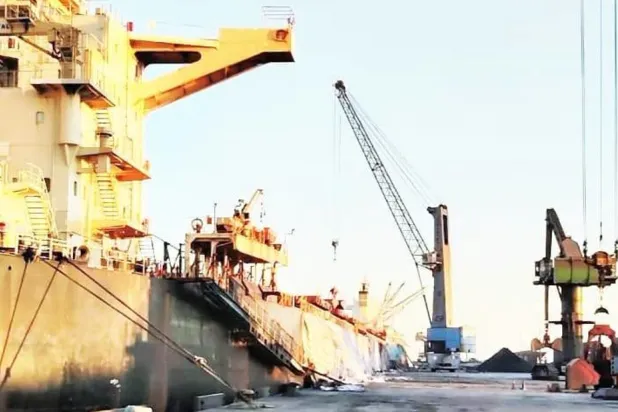
But the most direct impact of the war is on the Suez Canal, which had begun to gradually regain part of its navigation traffic after the ceasefire and the reopening of the Strait of Hormuz.
During the peak of the war, disruption of navigation in the Gulf led to unprecedented turmoil in the movement of oil tankers, while many shipping companies preferred to postpone or reroute their voyages, which negatively affected the canal's revenues.
Although the reopening of the strait allowed the return of some commercial traffic, renewed confrontations brought uncertainty back to shipping companies, which have become more cautious about passing through the region.
The problem is not limited to a decrease in the number of ships, but extends to a decline in global trade itself if energy prices remain high, which generally reduces demand for maritime transport.
Read more
Egypt settles debts of foreign oil companies after 16 years of accumulation
"Moody's": Financial reforms support Egypt... but risks remain
Massive gas discovery off Egypt's coast: Does it bolster hopes for energy recovery?
Egypt takes emergency decisions to contain the energy shock amid war atmosphere
This is why economists view the Suez Canal as one of the most sensitive channels to any conflict in the Gulf, because it is affected twice: first through the movement of oil tankers, and second through global trade as a whole.
Therefore, the Suez Canal remains the most sensitive Egyptian sector to any disruption in the Gulf or the Red Sea. Data from the Central Bank of Egypt show that canal revenues declined during the fiscal year 2024-2025 to about $4 billion, compared to about $10.3 billion in the previous fiscal year, a drop of nearly 61 percent due to navigation disruptions. With any new escalation in the region, the possibility of ships continuing to divert to the Cape of Good Hope route remains, which limits the speed of recovery of one of Egypt's most important sources of foreign currency.
Energy Bill... New Pressure on the Budget
Egypt imports a significant portion of its fuel and liquefied natural gas needs, so any rise in oil prices quickly reflects on the import bill.
Egypt is highly sensitive to any increase in global oil prices, as the value of fuel, mineral oils, and distillation products imports reached about $18.6 billion in 2024.
This means that any sustained rise in prices, or disruption in supplies through the Gulf, directly impacts the import bill and increases pressure on foreign exchange reserves and the general budget, especially after Egypt resumed importing liquefied natural gas to meet power plant needs.
In recent months, the government was forced to reorder spending priorities and gradually raise prices of some energy products to reduce budget pressures—measures that the International Monetary Fund considered among the factors that have helped the Egyptian economy contain the effects of the war so far.
Original source: Independent Arabia



Comments (0)
Be the first to comment.