Al Kharj produces 90,000 tons of dates annually worth 723 million riyals

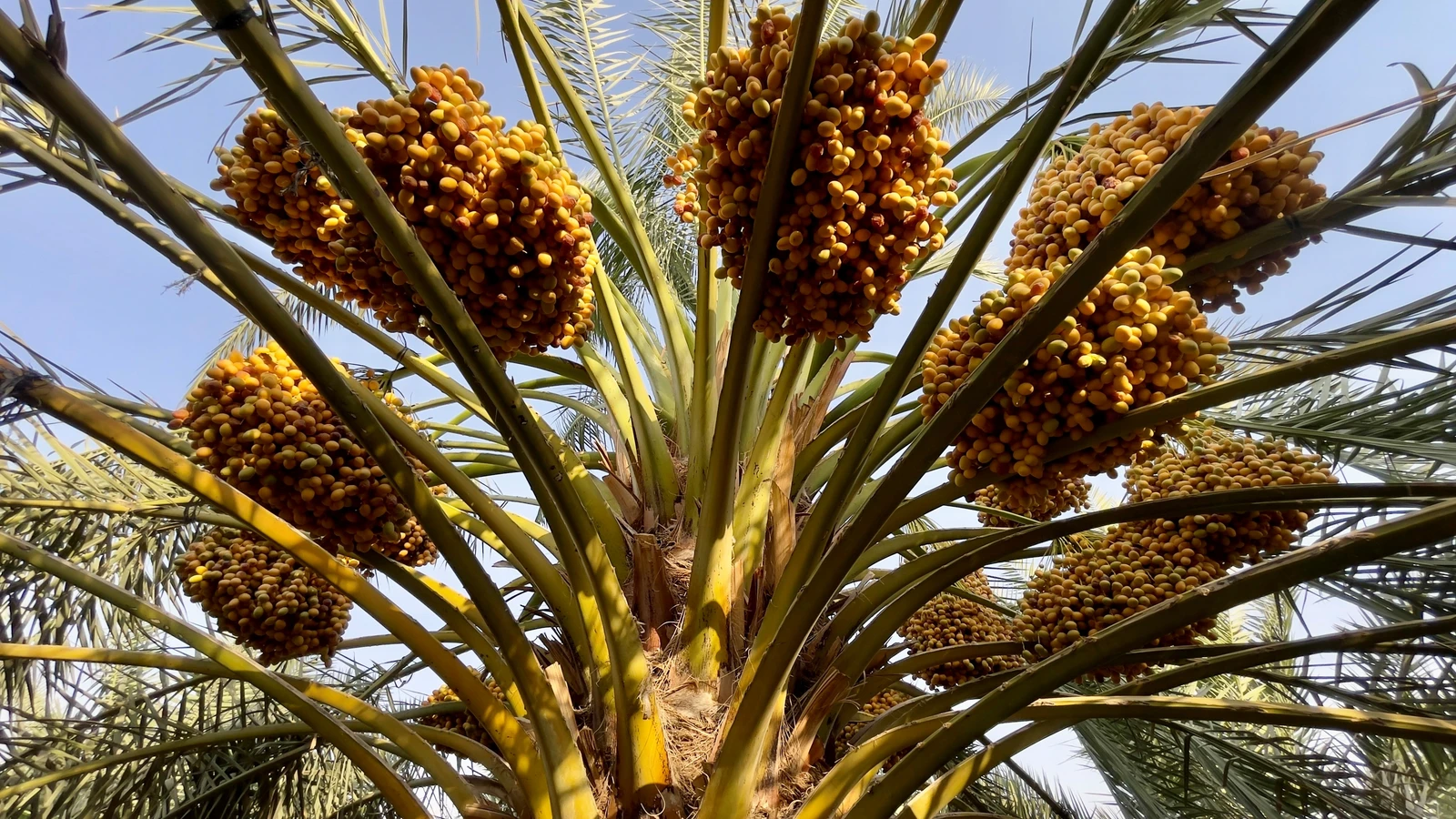
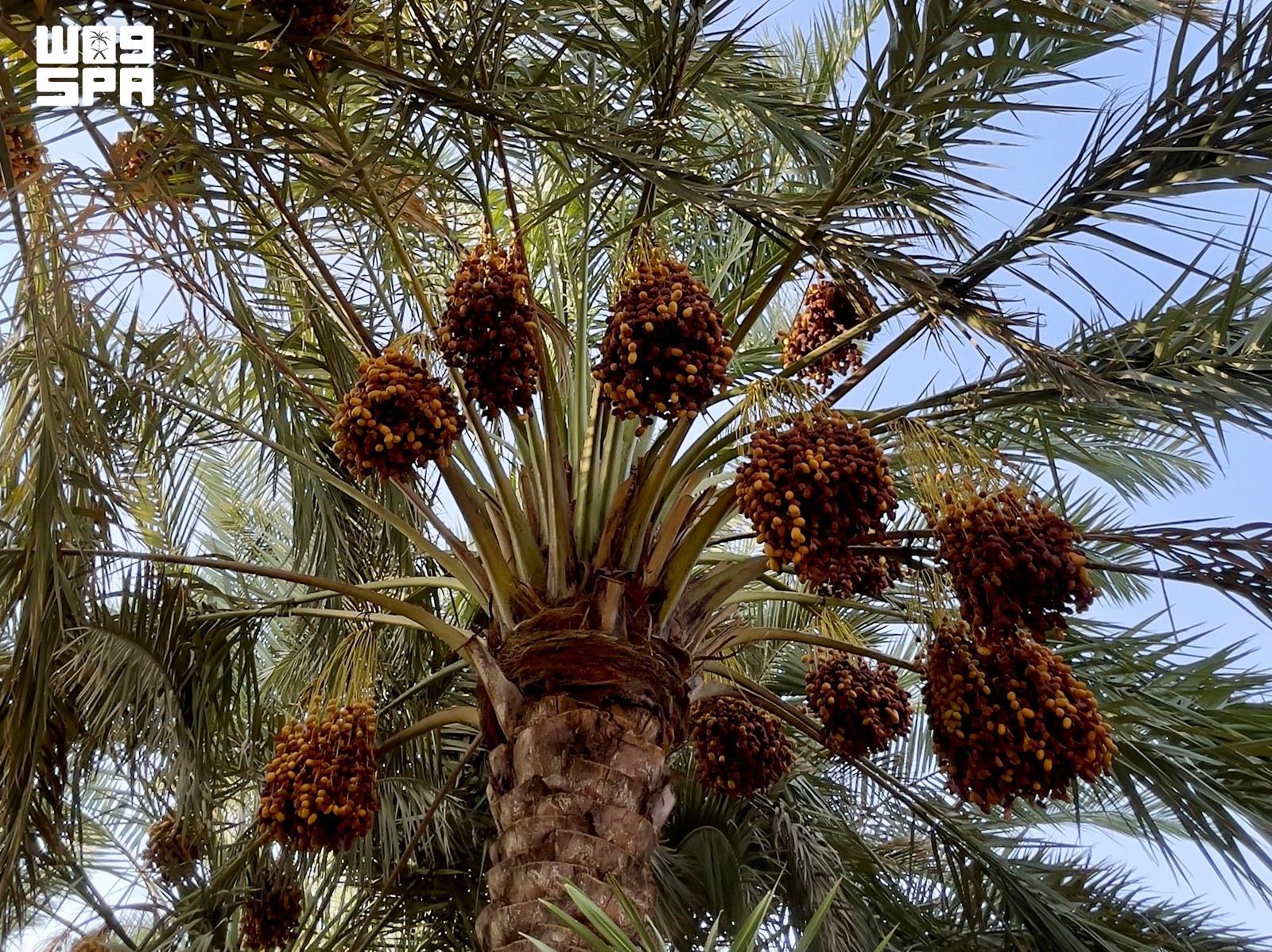
Al Kharj Governorate is one of the most prominent agricultural governorates in the Kingdom of Saudi Arabia, and holds a leading position in the date production sector, thanks to its distinctive agricultural features, variety of varieties, and integrated system encompassing production, marketing, and processing.
Production capacity and economic value
Al Kharj Governorate is classified among the largest sources of date production in the Kingdom, with an annual production capacity of about 90.4 thousand tons of dates, according to statistics from the National Center for Palms and Dates. The economic value of this production is estimated at about 723 million riyals annually, while the sector provides more than 6,000 seasonal job opportunities during the harvesting and marketing seasons.
The most famous variety of Al Kharj dates locally and globally is 'Khalas Al Kharj', followed by Al-Suqai, Nabut Saif, Al-Sufri, Al-Shishi, Al-Hilali, Al-Barhi, in addition to various other varieties.
Palm statistics
The total number of palm trees in Al Kharj Governorate is 1,476,208, of which 1,189,771 are fruitful, representing about 80.6% of the total, according to data from the National Center for Palms and Dates. At the national level, the total number of palm trees in the Kingdom exceeded 37.6 million, of which more than 32 million are fruitful, according to the 2024 Agricultural Statistics Bulletin issued by the General Authority for Statistics, meaning that Al Kharj palms represent about 3.9% of the Kingdom's total palm trees.
The Kingdom's total date production reached about 1.92 million tons in 2024, an increase of 1% over the previous year, with Al Kharj Governorate contributing about 4.7% of this total. Riyadh Region topped the Kingdom's regions in production with 436,112 tons, while Al Kharj's production alone represents about 20.7% of the region's total output.
Processing industry
The governorate hosts a number of factories and facilities specialized in sorting, packaging, and processing dates. Their production lines include: vacuum-packed date packaging to extend shelf life, date paste processing used in confectionery and bakery products, date syrup as a natural sugar substitute, date vinegar, stuffed dates, as well as the manufacture of animal feed from date pits and dates that do not meet human consumption standards.
The electronic platform 'Date Trading' of the National Center for Palms and Dates enables linking farmers, traders, and factories, along with services for issuing date export certificates and matching shipments, facilitating the access of Al Kharj products to global markets.
Marketing and export
In support of date farmers, the office of the Ministry of Environment, Water and Agriculture in Al Kharj Governorate has allocated dedicated sites for date sellers in the central market and several locations and stalls in the governorate, with periodic monitoring and sampling to ensure they are free of pesticide residues.
In terms of exports, the Kingdom led the world in date exports by value, with the value of Saudi date exports in 2025 reaching about 1.938 billion riyals, compared to 1.695 billion riyals in 2024, an increase of 15.9%, distributed to more than 133 countries, with the Kingdom achieving a self-sufficiency rate in dates exceeding 119%.
Al Kharj Dates and Saudi Coffee Festival
The governorate organizes annual marketing and promotional events, most notably the Al Kharj Dates and Saudi Coffee Festival, the second edition of which attracted about two million visitors between January and February 2026, contributed about 11 million riyals to the commercial and tourism movement in the governorate, and provided more than 2,000 seasonal job opportunities.
Original source: Sabq



Comments (0)
Be the first to comment.