World in Minutes: Technology Rescues Markets from Geopolitical Uncertainty
World in Minutes: Technology Rescues Markets from Geopolitical Uncertainty
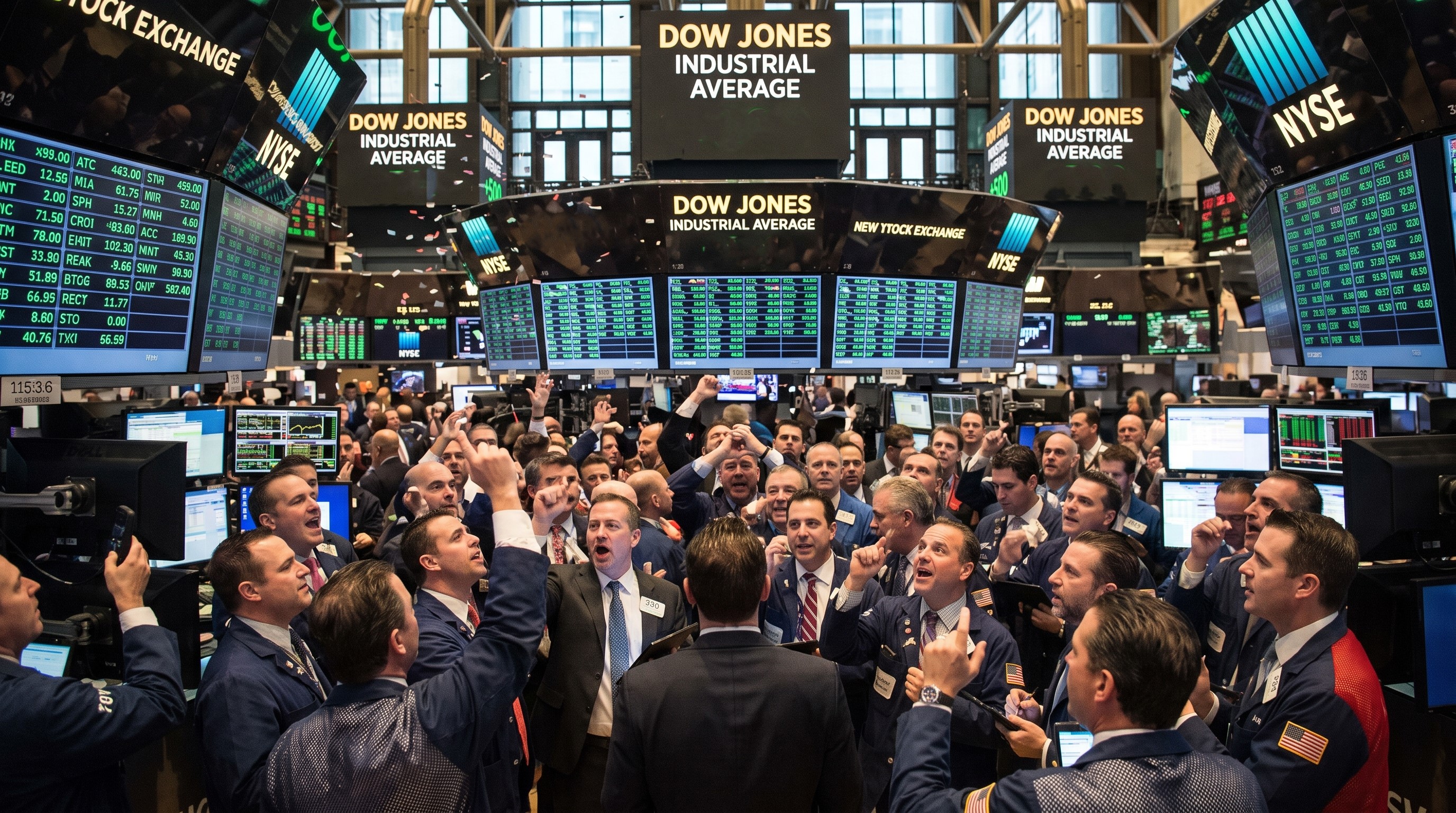
Global markets posted a strong performance on the fourth trading day of the week, supported by gains in the technology sector and hopes for easing geopolitical tensions amid efforts to contain the escalation between the United States and Iran.
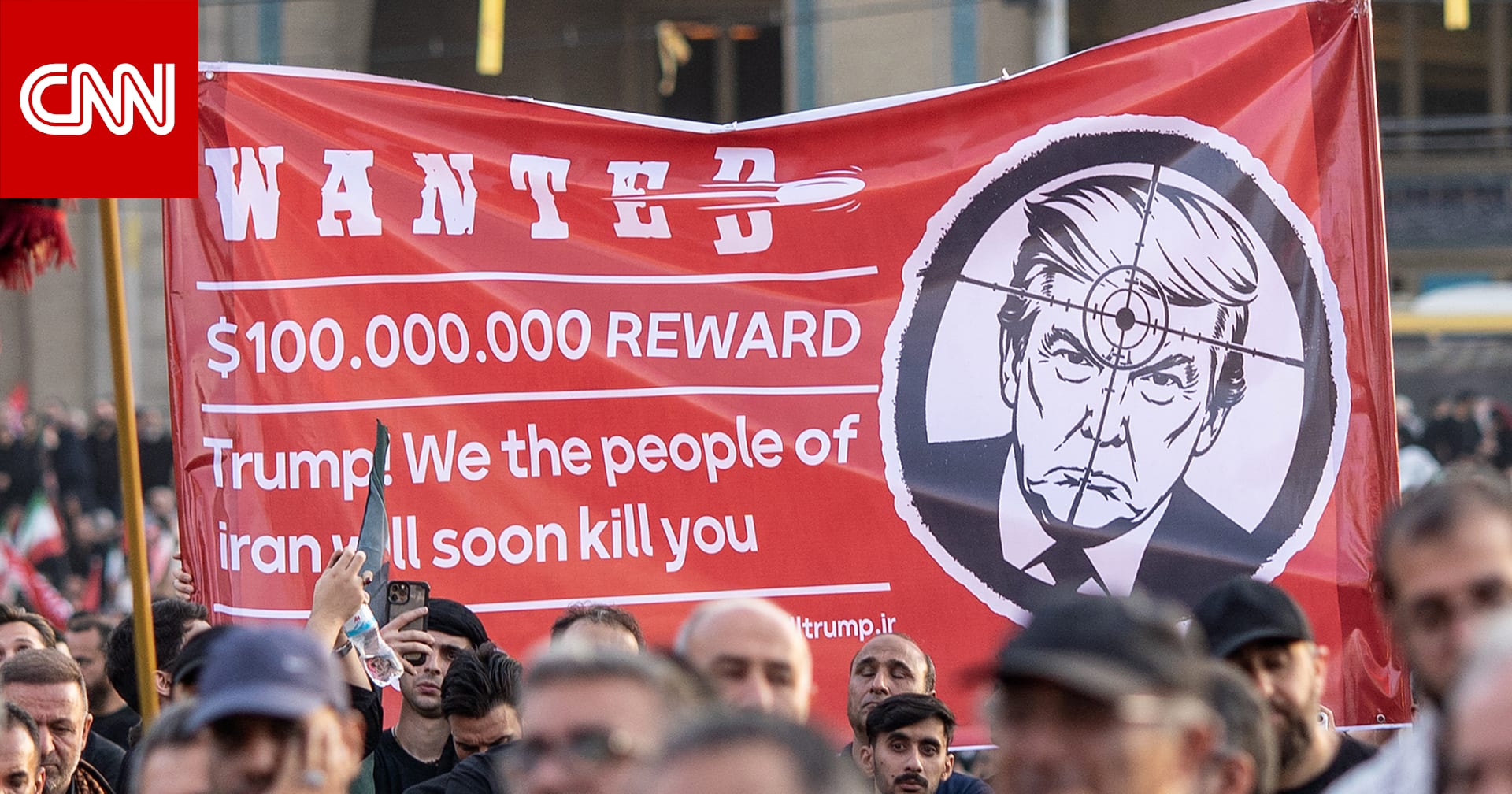
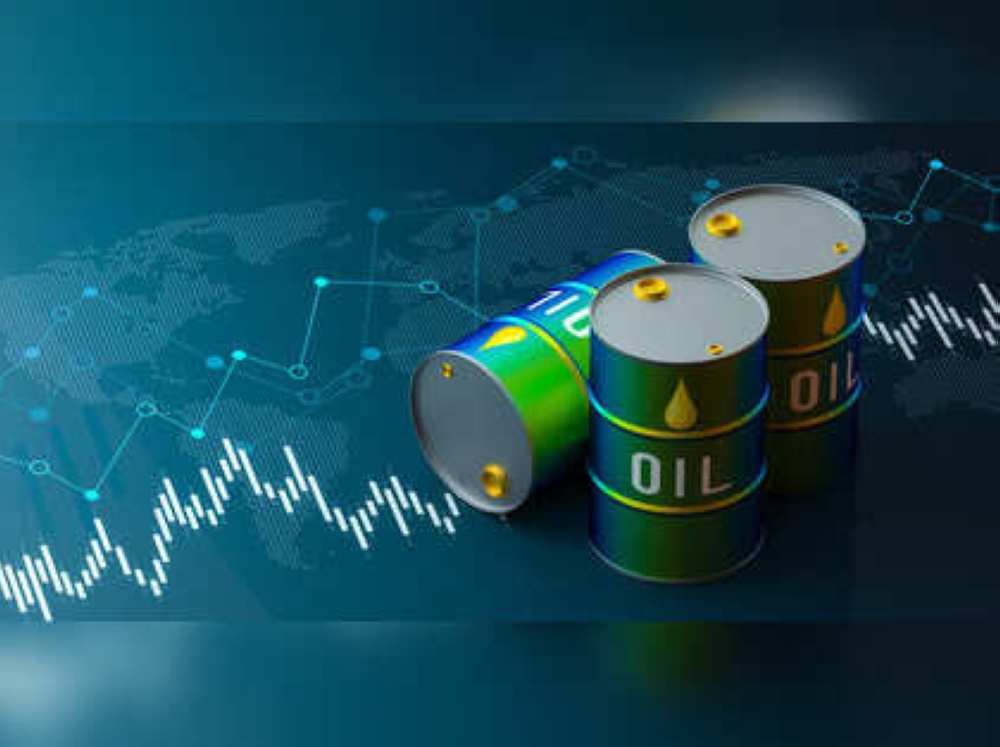
U.S. stocks rose at the close of Thursday's trading as the semiconductor sector rebounded and oil prices fell by about 2%, following comments by President Donald Trump that Iran had requested a deal after the mutual military escalation in recent days.
Trump's remarks coincided with press reports indicating that mediators in Qatar and Pakistan are making efforts to bring Washington and Tehran back to the negotiating table, at a time when navigation in the Strait of Hormuz has nearly halted and insurance premiums on ships have risen.
Oil prices also faced additional pressure amid rising fears of a slowdown in the global economy, especially after Chinese data that reinforced concerns about demand, as consumer prices continued to deflate in June, while producer prices rose at the fastest pace in four years.
These risks did not affect Chinese stock markets, which posted their best daily performance in three months, supported by a strong rebound in the semiconductor sector. The technology recovery extended to the Japanese stock exchange, with the Nikkei 225 index rising by more than 1%.
South Korea's stock exchange followed Tokyo and Shanghai, but emerging markets lagged behind, including stock and currency markets, as investor risk appetite weakened due to the recent escalation in the Middle East and caution over the prospects of investment in artificial intelligence.
In the old continent, most major European markets rose, but the London stock exchange fell under pressure from losses in the pharmaceutical sector, with AstraZeneca shares dropping more than 6% after a failed clinical trial for a heart disease treatment.
Debt markets benefited from the drop in oil and hopes for a geopolitical de-escalation, as sovereign bond yields fell in Britain, Germany, and the United States, while the dollar remained stable as investors attempted to assess the outlook for the Federal Reserve's monetary policy.
In a related context, the president of the Federal Reserve Bank of New York said he does not expect energy prices to continue rising for the remainder of the year despite the military escalation. These developments overall had a positive impact on the prices of gold, silver, and cryptocurrencies.
In a notable international development, the Society for Worldwide Interbank Financial Telecommunication (SWIFT), the operator of the international banking messaging and transaction system, announced the readiness of a new system based on tokenization and blockchain technology for round-the-clock cross-border payments.
On the Eastern European front, the Kremlin confirmed that the United States is mistaken in its belief that Ukrainian attacks inside Russian territory can help end the war, while reports indicated that Moscow is leaning toward escalating the conflict with its neighbor despite U.S. mediation efforts.
As for the most prominent technology developments, OpenAI launched its most advanced artificial intelligence model, ChatGPT-5.6, and introduced a new intelligent agent designed for complex and lengthy tasks, while reports revealed that Meta is preparing to begin production of a new AI chip by September.
As the quarter-final matches of the 2026 World Cup begin, this edition of the tournament stands as a witness to a new era of integrating technology into the world of football: how have chips made the game smarter?
{{displayname}}
{{profession}}
{{followercount}}
{{aboutme}}
Original source: Argaam
Comments (0)
Be the first to comment.