European Commission thwarts bloc's efforts to ban imports from Israeli settlements

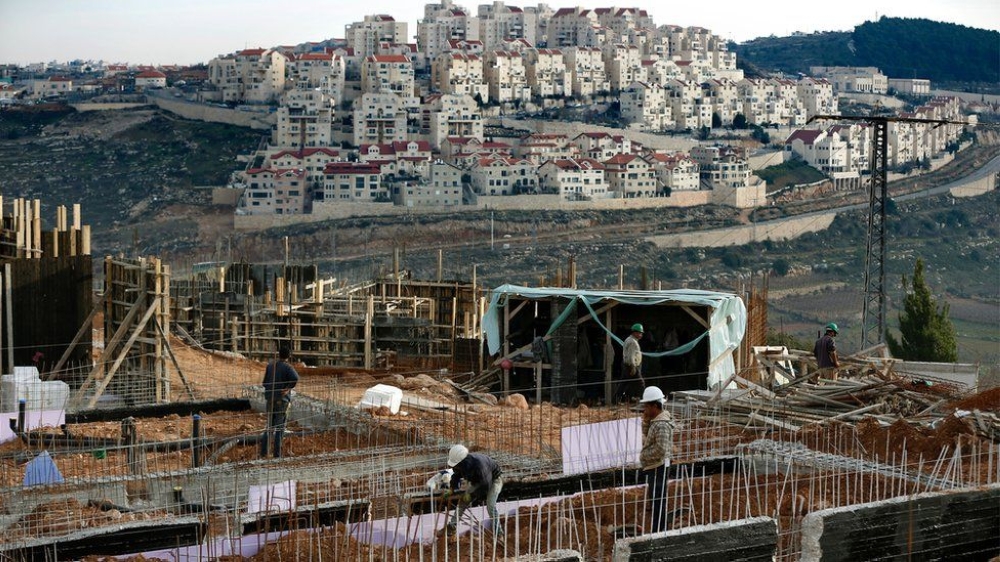
The European Union failed to pass a legal measure to impose a ban on products coming from territories illegally occupied by Israel in the West Bank, after less than half of the bloc's foreign ministers voted in favor of taking action on the issue during a tense meeting on Monday, according to Politico magazine.
A group of EU countries urged the Commission to ban trade with Israeli settlements in the occupied West Bank, turning into a conflict between EU institutions, as well as between capitals with differing positions on Israel's practices in the occupied Palestinian territories.
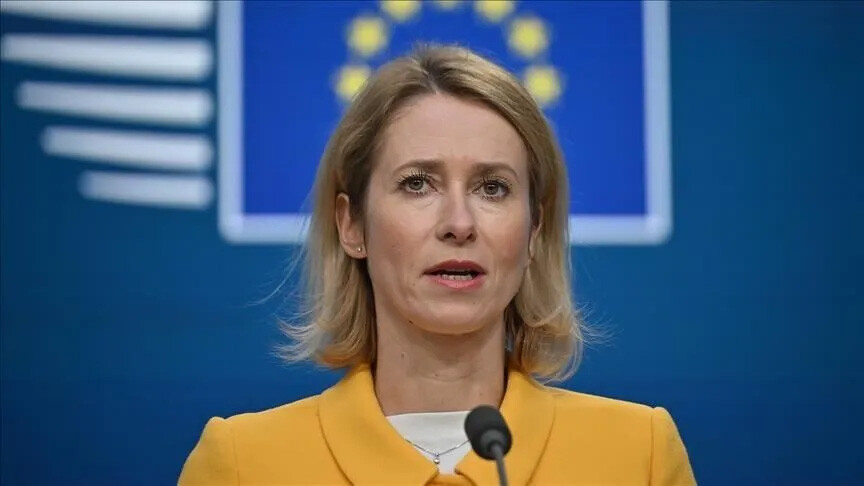
After the EU foreign ministers' meeting on Monday in Brussels, Kaja Kallas, the EU's foreign policy chief, stated that the proposal to ban trade with Israeli settlements in the West Bank "received the most support" from member states.
However, the proposal did not obtain the simple majority needed to oblige the European Commission to present specific sanctions for member states to vote on.
Kallas said: "All 27 member states agree that Israeli settlements are illegal under international law," adding that current EU policies "have not contributed much to reducing trade with settlements" due to inconsistent implementation.
Lack of formal measures
The European Commission, led by Ursula von der Leyen, has resisted efforts to impose new trade restrictions on Israel, and did not present member states with formal measures to vote on at Monday's meeting. However, it did present a options paper including possible measures, such as a trade ban, import licensing system, and targeted tariffs.
A group of EU countries, including Belgium, the Netherlands, and Spain, supported by Kallas, attended Monday's meeting aiming to force the Commission to present specific measures for a vote. However, only 11 countries actually called for concrete measures from the European Commission in the meeting, according to Politico citing a European diplomat briefed on the discussions, a number lower than the simple majority needed to force the EU executive to propose such measures.
Another diplomat, from a country strongly supporting further action against trade imports from settlements, said: "The situation is starting to cause frustration. We want to be able to vote on these measures and see whether they are supported or rejected. This continuous limbo is making things worse."
'Tense' talks
Kallas also expressed regret that an immediate decision could not be made due to the Commission's position, but expressed hope that 'since there is will from member states... we can move forward.'
She added that ambassadors have been tasked to work on the issue, and an extraordinary meeting is likely to be held. She stressed that these measures are not against Israel, but against illegal settlements that undermine, in her words, the two-state solution.
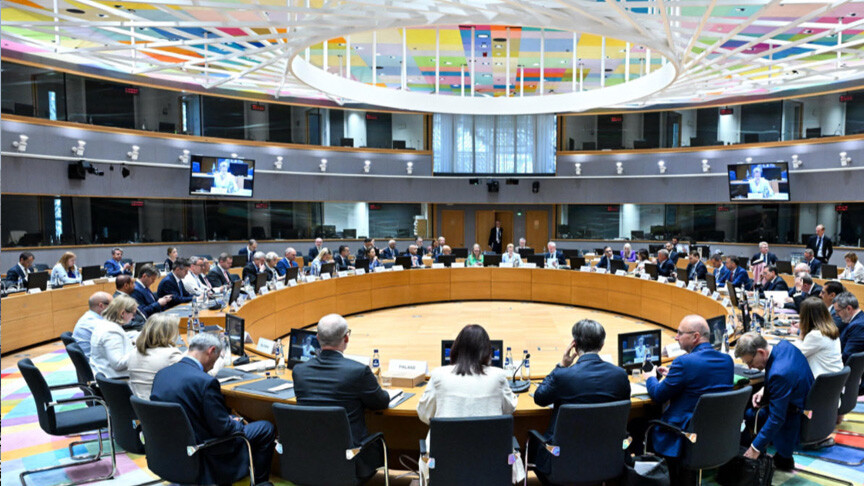
In the Foreign Affairs Council meeting room, the tone of discussions among foreign ministers on sanctions against Israel was marked by 'tension' and 'frankness' between supporters and opponents of further action, according to European diplomats briefed on the talks.
The Commission also insists that imposing any sanctions requires unanimity among member states, rather than the qualified majority that Kallas believes is necessary.
The difference lies in whether these measures are commercial or sanctions. The former require only a qualified majority of states to pass, while the latter require unanimity.
Original source: Asharq News


Comments (0)
Be the first to comment.