Morocco: Annual inflation slows to 0.3 percent in June

Inflationary pressures come against the backdrop of energy prices being affected by the US-Israeli war on Iran.
RABAT / Anadolu
Morocco announced on Wednesday that the inflation rate slowed to 0.3 percent in June on an annual basis, after recording 1.2 percent in May, driven by an increase in transport prices.
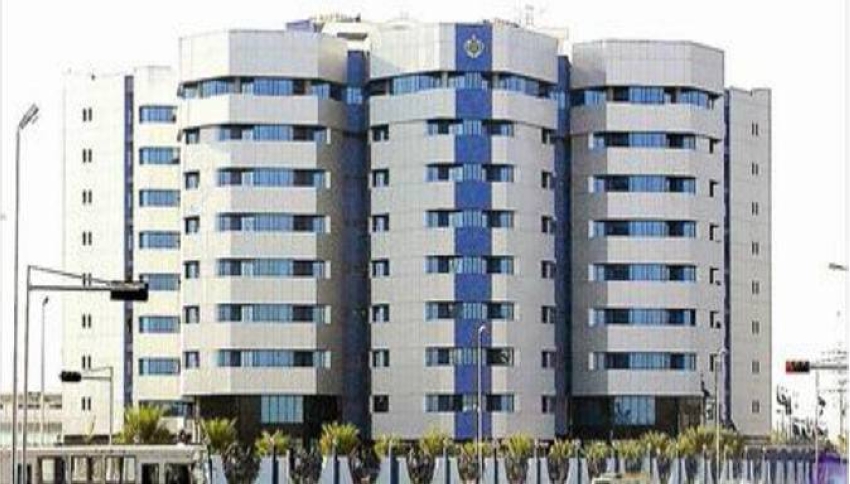
The High Commission for Planning, the statistical authority, said in a statement that the 0.3 percent rise in inflation in June resulted from an increase in non-food prices by 2.3 percent and a decline in food prices by 2.3 percent.
It added that the largest increases were recorded in transport prices, at 6.7 percent, compared to the same period last year.
In contrast, the monthly inflation rate declined by 0.4 percent in June compared to the previous May.
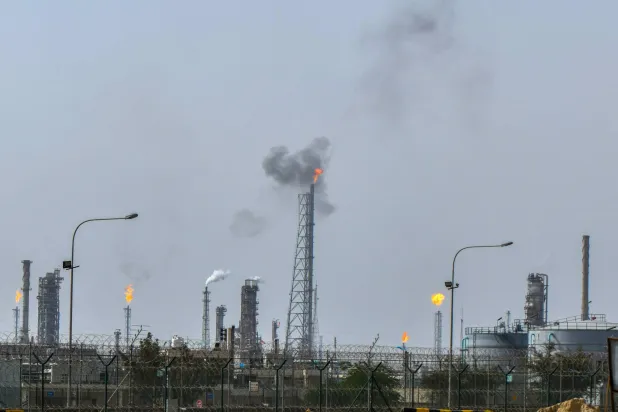
The continuation of inflationary pressures comes against the backdrop of energy prices being affected by the repercussions of the oil shock resulting from the US-Israeli war on Iran.
Morocco relies heavily on energy imports, importing more than 94 percent of its needs, making it vulnerable to fluctuations in oil and gas prices in global markets.
Oil prices jumped more than 3 percent on Wednesday, with Brent crude reaching its highest level in nearly six weeks, as mutual attacks between the United States and Iran continued to escalate.
Brent crude futures recorded around $93.8 per barrel, while US crude futures rose 3.5 percent to about $87.3 per barrel at 8:30 GMT.
For about two weeks, the United States has been launching waves of strikes on Iran, while the latter responds with attacks on bases, military installations, and sites it says are linked to Washington in countries in the region.
The escalation comes despite Washington and Tehran signing a memorandum of understanding in last June that included a halt to the war that the United States and Israel launched against Iran on February 28 last, and launching negotiations to reach a broader agreement.
However, US President Donald Trump announced on July 8 the end of the ceasefire after tankers in the Strait of Hormuz were attacked, which Washington accused Tehran of being behind, prompting the United States to resume its strikes inside Iran.
Washington demands that Tehran stop attacking ships and open all routes of the Strait of Hormuz, while Iran insists on subjecting navigation to a mechanism regulated by it through the waterway overlooking its coasts, exacerbating fears of disruption of oil and gas exports from the region.
Washington supports the passage of commercial ships through the Strait of Hormuz along a route different from that set by Iran, which Tehran rejects, stressing that it will target any ship that does not coordinate with it before crossing the strait strategic for global energy supplies.
Original source: Anadolu Agency




Comments (0)
Be the first to comment.