America launches strikes on Iran for seventh night and diverts 4 ships

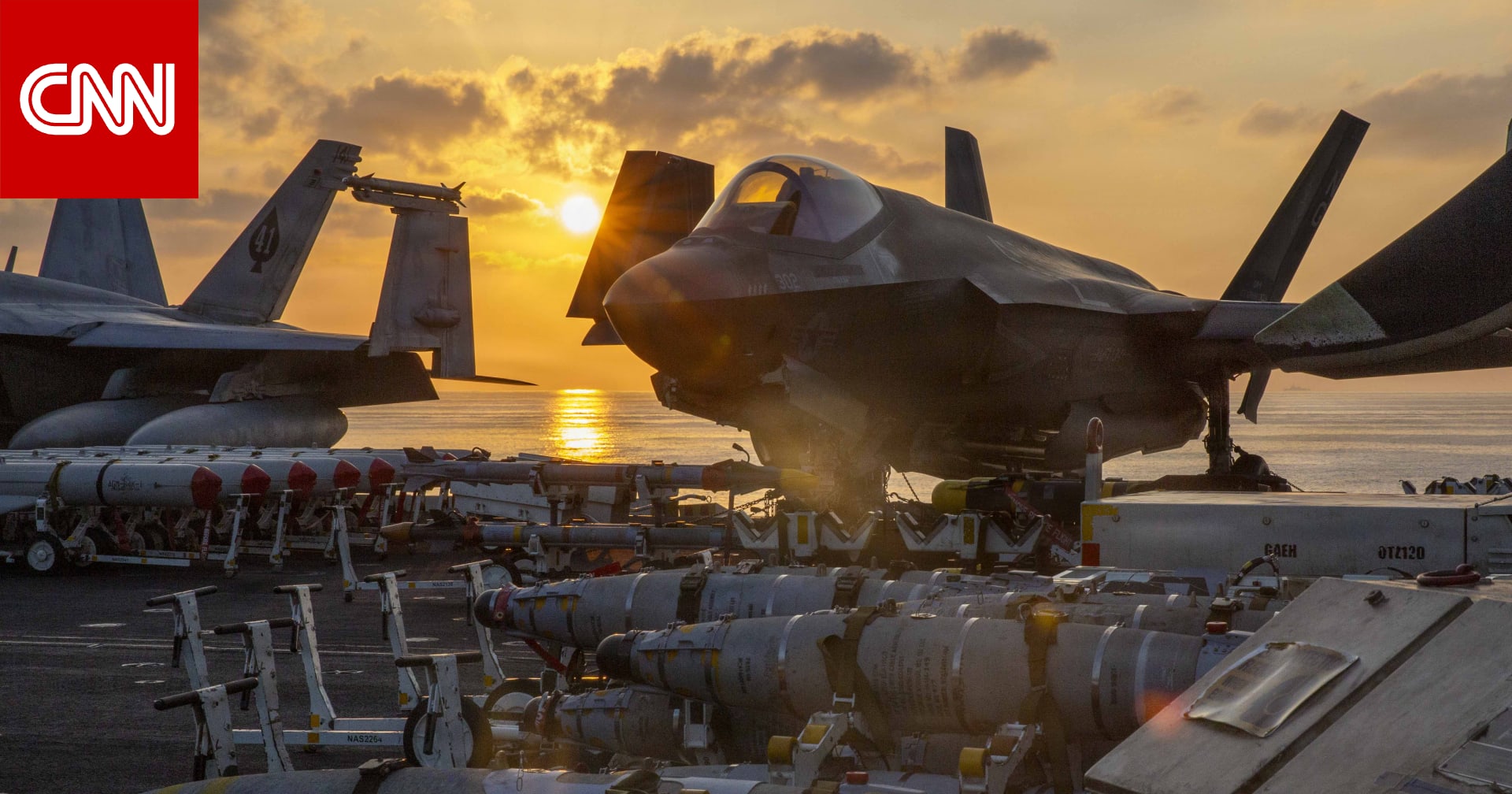
US forces launched strikes on Iran for the seventh consecutive night, while revealing the diversion of 4 commercial ships, disabling one, and boarding another over the past days 'to ensure full compliance' with the blockade of Iranian ports.
US Central Command said in a post on platform 'X' that forces remain on alert as they implement the naval blockade imposed on Iran 'strictly'.
US President Donald Trump told 'Fox News' on Tuesday that he would expand the scope of US strikes on Iran next week to include power plants and bridges if Tehran does not reach an agreement"
Trump vowed that strikes on Iran would continue 'until I say enough is enough'.
He stated that Washington is postponing 'energy targets in Tehran until the end', considering that Iran 'still has some resistance but not much'.
Rebuilding Iranian military capabilities could take 20 years, according to the US president, due to the severe damage resulting from the strikes.
Read also: IMF: Eurozone heading for weaker growth and higher inflation due to war
Photo from AFP
__AFP_C2G92ZQ-1784295627
The Iranian Revolutionary Guard, for its part, said it struck targets in Bahrain with ballistic missiles and drones.
In Kuwait, Ministry of Defense spokesman Saud Al-Atwan said that his country's forces spotted hostile ballistic missiles and drones within Kuwaiti airspace since dawn Friday, and they were intercepted and dealt with.
In a statement published by the Kuwait News Agency, he said that the Iranian attacks targeted a number of facilities and camps of the Kuwaiti army with drones, resulting in injuries to a number of members of the Kuwaiti ground forces.
He pointed out that a number of vital and civilian facilities were also targeted, including one of the electric power and water desalination plants, leading to a fire and damage to several plant facilities and power generation units, in addition to falling shrapnel in several locations across the country, resulting in material damage without any human casualties.
Arab Parliament Speaker Mohammed Al-Yamahi condemned in the strongest terms the renewed Iranian attacks on Bahrain, Kuwait, Qatar, and Jordan, asserting that they represent 'a flagrant violation of the sovereignty of Arab states, a clear breach of international law and the UN Charter, and a dangerous escalation threatening the security and stability of the region'.
Read also: Asian gas price rises to highest level in 4 months amid Hormuz tensions
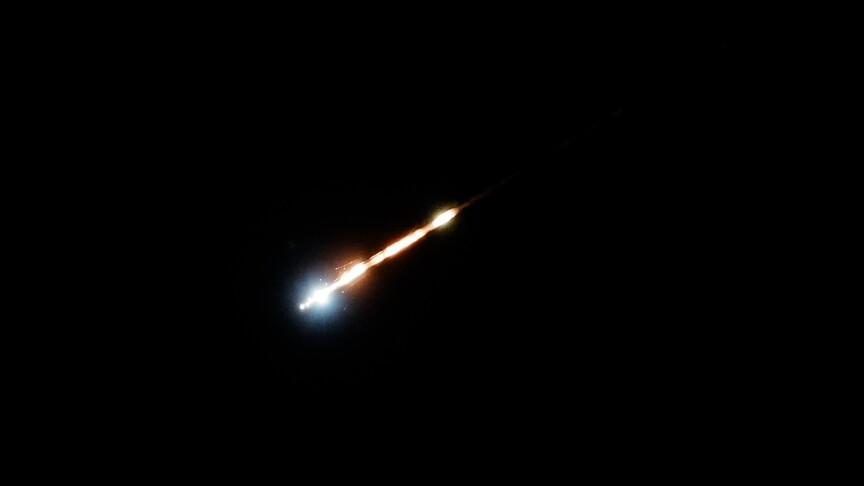
Screenshot from a video of the moment an Iranian missile was launched: AFP
__AFP_C2G42T4-1784293216
Fears of mutual escalation
At sea, where renewed clashes disrupted energy supplies from the Gulf again, US Marines boarded an oil tanker near the Strait of Hormuz.
Armed men seized another ship off Yemen, raising concerns about security in the Bab el-Mandeb Strait at the entrance to the Red Sea, the other main oil artery in the Middle East.
Iranian media reported that the Revolutionary Guard's naval forces 'targeted' a Thai-flagged ship attempting to cross the Strait of Hormuz. No further details were given.
Both sides continue to test the limits of escalation since the collapse of the ceasefire agreement last week, increasing the likelihood of slipping into all-out war again.
US Marines board tanker for inspection: Reuters
__2026-07-17T100945Z_51947653_RC2MFMAKFDCM_RTRMADP_3_IRAN-CRISIS-USA-1784283134
Amid reports of today's escalation, benchmark Brent crude jumped more than 3% to post a third consecutive weekly gain. Meanwhile, global stock prices fell, and Wall Street opened sharply lower before stabilizing later.
A UN spokesman said Secretary-General Antonio Guterres is concerned about the escalation, especially because of 'attacks on civilian infrastructure in Iran and across the region'.
US Central Command included 'military logistics infrastructure' in the list of targets it said it struck in its latest attacks on Iran, in the first indication of targeting infrastructure in over a week.
The interim agreement reached last month to end the war collapsed since July 7, when Iran targeted ships in the Strait of Hormuz, and the United States responded with airstrikes.
Since then, Iran announced the closure of the Strait of Hormuz, and Washington reimposed its blockade on Iranian ports.
Original source: Aleqtisadiah




Comments (0)
Be the first to comment.