Anticipation of the start of the American blockade.. and the Strait of Hormuz renews military escalation between Washington and Tehran

American airstrikes on Iran renewed at dawn on Tuesday for the third consecutive day, coinciding with President Donald Trump's announcement of reimposing a naval blockade on Iranian ports and introducing a 20% protection fee on commercial ships crossing the Strait of Hormuz.
These developments come amid mutual escalation between Washington and Tehran over freedom of navigation in the strategic waterway.
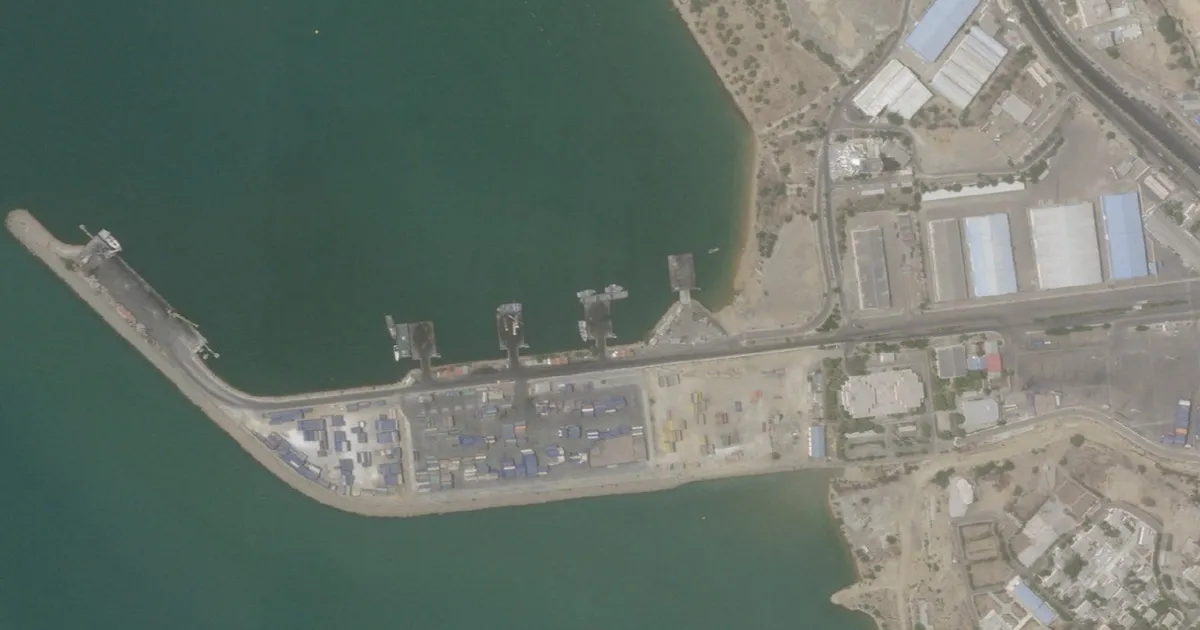
The US Central Command (CENTCOM) reported on Tuesday that it carried out strikes during a 5-hour mission on military targets in various areas of Iran, including Bushehr, Chabahar, Jask, Konarak, and Bandar Abbas, to further reduce Tehran's ability to target commercial ships.
It added that its forces used precision-guided munitions against Iranian coastal defense systems, missile and drone sites, and naval capabilities.
It noted that more than 50,000 American troops are currently deployed across the Middle East, stressing that US forces 'remain vigilant, lethal, and ready.'
CENTCOM explained that it began the strikes on direct orders from Trump, after the latter stated in the 'Hugh Hewitt' podcast that Iran 'will be hit very hard tonight, and we will hit them hard again tomorrow, and they cannot do anything about it.'
Trump later added to reporters at the White House that the United States is targeting Iranian capabilities related to the Strait of Hormuz.
Screenshot from a video published by the US military showing a missile launch from a warship during a new wave of strikes against Iran. July 13, 2026 - CENTCOM
Shortly after the US military announced the resumption of its strikes, Iranian media reported hearing explosions in the city of Bandar Abbas, the islands of Kish and Qeshm, as well as Abu Musa Island, which is occupied by Iran.
The Fars news agency also reported that residents of the city of Jam in Bushehr province heard several explosions, without their exact location being clear.
Early Tuesday, the official Iranian news agency IRNA reported that American missiles targeted Khuzestan province in southwestern Iran, injuring four people, while rescue teams were working at the site.
The semi-official Mehr news agency also reported hearing a strong explosion in the city of Bushehr in the south of the country.
Escalation in the Strait of Hormuz
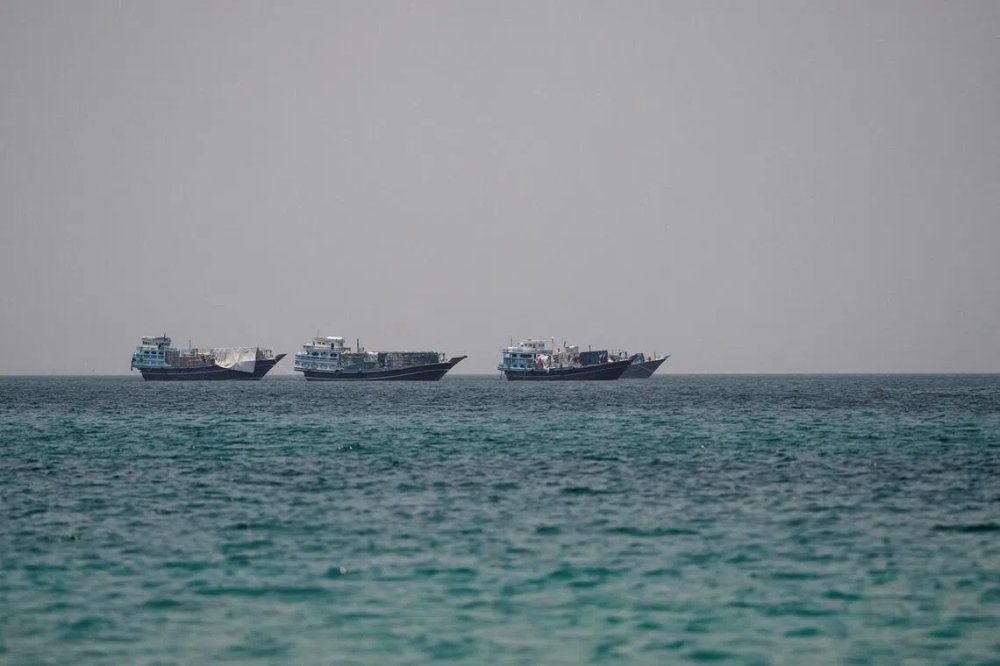
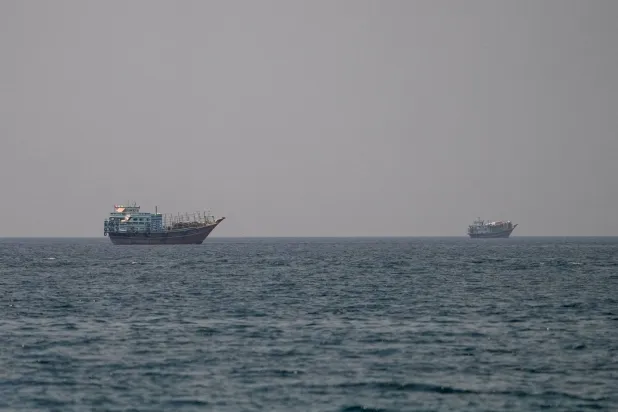
The UAE Ministry of Defense announced that two Iranian cruise missiles hit the oil tankers 'Mombasa' and 'Al Bahia' while they were crossing the southern route of the Strait of Hormuz within Omani territorial waters, killing one crew member and injuring eight others, including four with serious injuries.
The Iranian Revolutionary Guard said that two giant oil tankers it described as 'violators' were targeted in the Strait of Hormuz after it claimed they 'ignored repeated warnings and turned off navigation systems.'
The Iranian Revolutionary Guard's statement did not specify the names of the two tankers or whether they were the same ones referred to by the UAE, but it accused the United States of inciting ships to use a route it considers 'illegal,' warning that cooperation with Washington would lead to 'damage and delay in reopening the waterway, as well as causing a global energy crisis.'
Trump had earlier written on the Truth Social platform that 'the Strait of Hormuz is open, and will remain open, with or without Iran's consent. We are reimposing the blockade on Iran.'
He added: 'The United States will henceforth be known as the guardian of the Strait of Hormuz, but, in fairness, it will receive compensation of 20% of the value of all transiting shipments.'
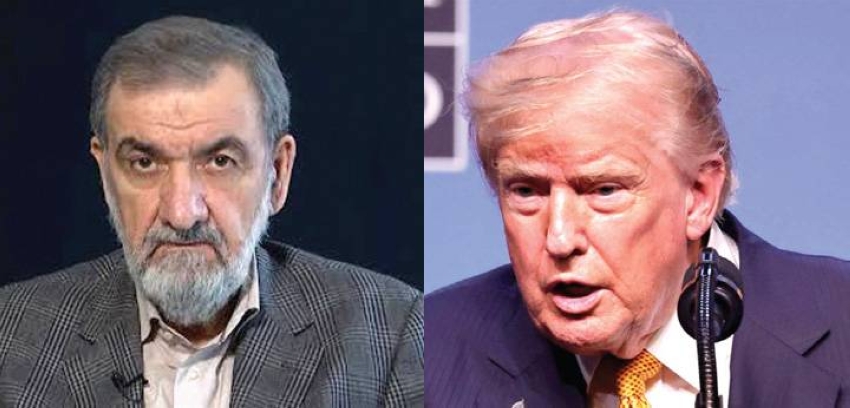
In response, the Iranian Joint Chiefs of Staff considered that the United States 'has no role in deciding the future of the Strait of Hormuz, and will not be allowed to interfere in it.'
Iranian Foreign Minister Abbas Araghchi also wrote on the X platform that Iran was and will remain 'the guardian of the Strait of Hormuz forever,' adding, in a comment on Trump's proposal to impose transit fees: '20% is certainly very high.. we will be fair,' in reference to the fees his country demands.
The United Nations International Maritime Organization rejected Trump's proposal to impose fees on ships transiting the Strait of Hormuz, affirming its opposition to imposing any fees on straits used for international navigation, and stressing that there is no legal basis for imposing mandatory fees on transit through the strait.
Trump had previously floated the idea of imposing fees on ships crossing the strait, but did not implement it, and it remains unclear whether he will proceed with it this time.
Before the outbreak of the Iran war last February, about 20% of global oil and gas trade passed daily through the Strait of Hormuz, amounting to more than 15 million barrels of fuel, worth at least $1.2 billion daily.
The Expected Naval Blockade on Iran
The Combined Maritime Information Center, led by the US Navy, announced that the naval blockade on Iran will take effect at 20:00 GMT on Tuesday, and will include all ships, regardless of their flags, along the entire Iranian coast, including ports and oil export terminals.
The center explained that the measure will allow humanitarian shipments to pass after undergoing inspection.
The US Central Command said it would enforce the blockade on ships heading to or from Iranian ports and coastal areas, while the US military continues to support the flow of navigation in territorial waters for all ships that do not violate the blockade measures.
The resumption of the US blockade on Iran comes after the first phase from April 13 to June 18 last year, during which CENTCOM said it redirected more than 140 ships that complied with instructions, disrupted nine ships that did not comply, and allowed more than 50 commercial ships carrying humanitarian aid to pass during that two-month period.
In phone remarks to Fox News on Monday, Trump said the United States would likely control the Strait of Hormuz, and that it should be compensated for the expenses of managing this vital waterway.
Control of the Strait of Hormuz, the vital artery for global oil supplies, has become one of the arenas of confrontation in this conflict, and the attacks carried out by Iran on the strait have led to higher energy prices and stoked fears of global inflation.
The Iranian Revolutionary Guard said in a statement on Monday that the only way for navigation to return to normal in the strait is to end what it describes as 'US military interventions' in the waterway, warning that 'continued interventions will exacerbate crises in the global oil and gas sector.'
Data from ship tracking companies showed a decline in navigation traffic through the strait by about 52% during the period from July 10 to 12 compared to the previous week.
Trump said in remarks from the White House on Monday that the United States is attacking Iranian capabilities linked to the Strait of Hormuz, and 'we are destroying their offensive capabilities.'
Trump described the renewed US bombing campaign against Iran as a 'military skirmish,' denying that it represents a new and prolonged phase in the conflict, even as he refrained from specifying how long it would last.
Original source: Asharq News


Comments (0)
Be the first to comment.