After 2026 World Cup Gains, Can North America Build on Success?

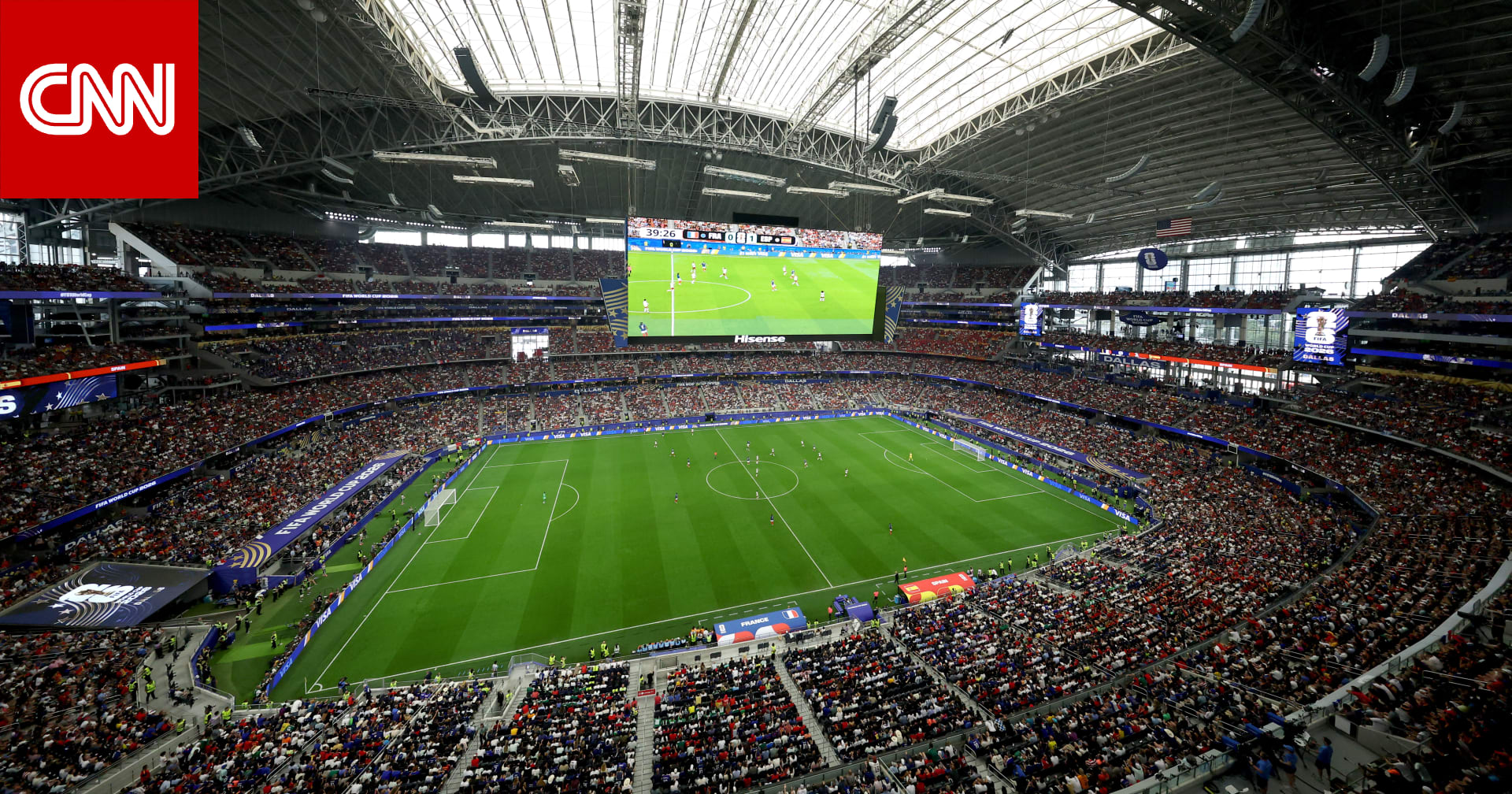
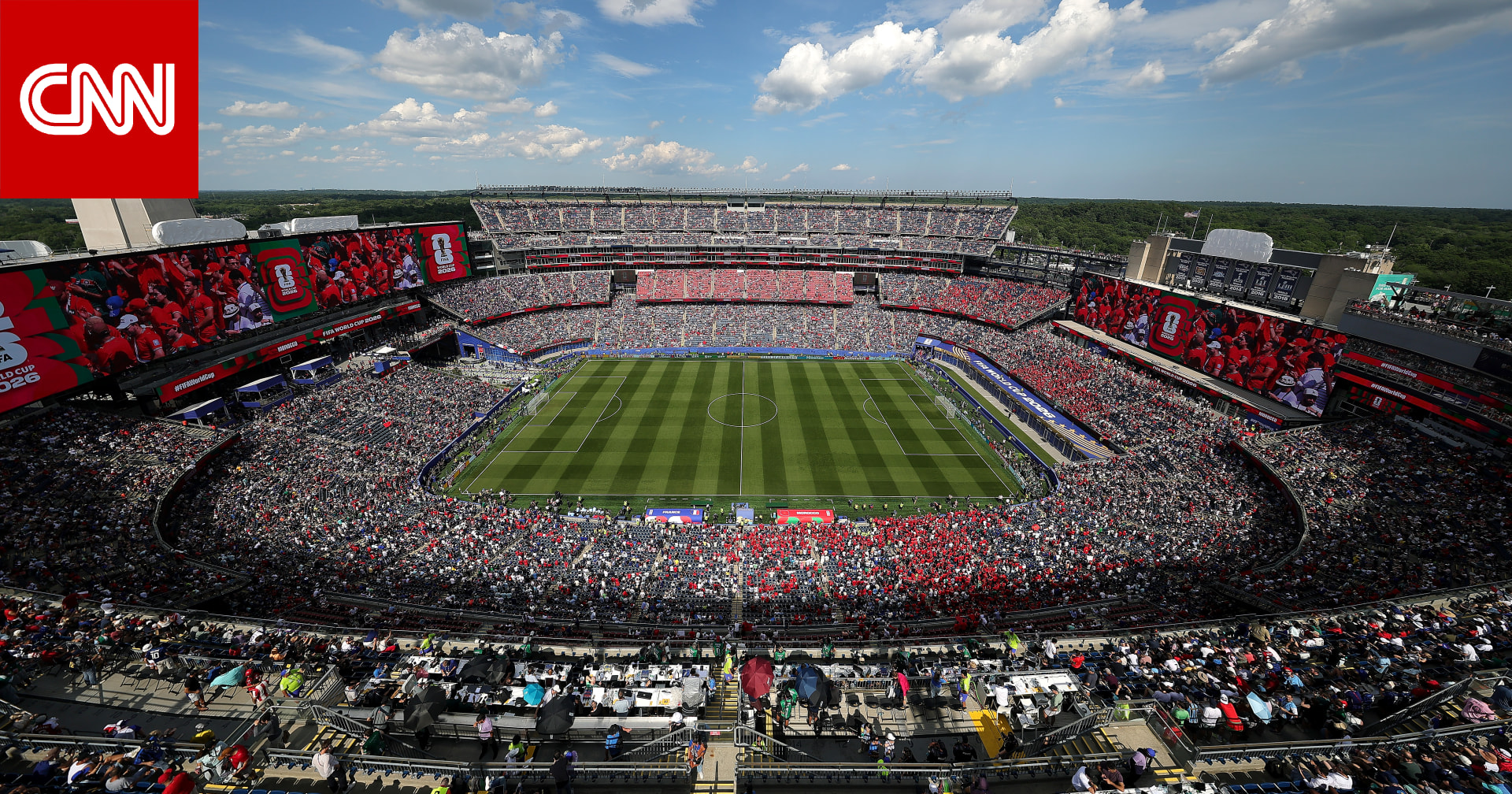
The 2026 World Cup provided an unprecedented opportunity for football in North America, as the United States, Mexico, and Canada successfully hosted the tournament and attracted unprecedented fan interest in the sport.
But the success of the organization and the positive results achieved by the three teams raise a bigger question about the region's ability to convert the World Cup momentum into a sustainable sports project.
According to an analysis published by Inside World Football, leveraging the tournament's legacy will not be measured by what was achieved during the weeks of competition, but by the ability of local federations to address structural challenges, develop talent, and capitalize on the popularity boosted by the World Cup.
Diverse Experiences
Although the three countries co-hosted the tournament, the trajectory of football development differs significantly among them.
Mexico has regained much of its confidence after years of negative results against the United States, while Canada continues to narrow the gap with its southern neighbor, as its recent matches against the US team have become more balanced compared to the past two decades.
As for the United States, despite having the largest pool of registered players in youth categories, the senior team's results still fall short of ambitions, according to the analysis.
The Canadian Model
The Canadian team is the most notable beneficiary of the rebuilding process in recent years. Under the leadership of American coach Jesse Marsch, it has successfully developed a clear tactical identity based on high pressing and collective discipline, supported by a unified vision within the Canadian Soccer Association.
The analysis suggests that the next step is to expand the player base and attract more dual nationals, giving the team greater depth in future tournaments.
Mexican Optimism
Mexico ended its World Cup participation with a loss, but it left with positive indicators, most notably the emergence of a new generation of players gaining international experience, along with the rise of young talents led by Gilberto Mora.
The appointment of Rafael Márquez as head coach also provides an additional boost to the rebuilding project, despite ongoing debate about the future of the domestic league in the absence of a promotion and relegation system, according to the analysis.
American Questions
On the other hand, the report notes that the US team has returned to a new point of reassessment after the tournament ended, as the optimism that accompanied its start dissipated following the elimination by Belgium.
The analysis indicates that the debate in the US often focuses on the 'pay-to-play' system in youth sectors, while the deeper problem lies in the nature of the player development system, which relies heavily on college sports and the franchise system, reducing opportunities for young players to engage in professional competition at an early stage.
Regional Test
The 2027 Gold Cup represents the first real test of building on the World Cup gains, as it gives the three teams a chance to maintain fan momentum, involve the best players, and enhance cohesion before future international competitions.
The report believes that the United States must take the tournament more seriously, after having previously rested several of its European-based professional players in past editions, which affected the team's readiness in major tournaments.
Historic Opportunity
The analysis concludes that the CONCACAF region faces an opportunity that may not be repeated for decades, as it will not host the World Cup again in the near future, making investment in the legacy of the 2026 edition a necessity, not an option.
It added that the tournament's success will not be measured only by attendance figures or economic returns, but by the ability of national federations to turn this momentum into long-term reforms, including player development, raising the level of domestic competitions, and expanding the base of participants, ensuring the continued growth of football in North America in the coming years.
Original source: Aleqtisadiah

Comments (0)
Be the first to comment.