Madinah Poised for Fastest Real Estate Growth as Foreign Ownership Allowed

With non-Saudis allowed to own real estate in four cities, the real estate market in Madinah is expected to grow at a faster pace as it is still less mature, according to real estate experts told Al-Eqtisadiah.
This follows the approval by the Saudi Council of Ministers last month of the executive regulations for the system of non-Saudi ownership of real estate, after Saudi Arabia approved in July 2025 the updated system for non-Saudi ownership of real estate, which included the two holy cities.
Tue, 23 2026
The Real Estate General Authority defined in the geographical scope document the areas where non-Saudi ownership is allowed, including Riyadh, Jeddah, Makkah, and Madinah, along with all cities and governorates of the Kingdom, with detailed maps showing the included locations, permitted ownership percentages, types of in-kind rights that can be acquired and their durations, in addition to the controls regulating ownership and acquisition of those rights.
The General Manager of Knight Frank in Saudi Arabia, Suzan Al-Amawi, said, 'The expected demand for non-Saudi ownership of real estate will come from individual buyers and institutional investors,' pointing out that individual Muslims may form the main source of demand in Makkah and Madinah, especially for residential units and assets related to the hospitality sector, whether for personal use or long-term investment.
She added that investment institutions, including funds and listed companies, may play a major role in large income-generating and mixed-use projects, with the expectation that high-net-worth individuals and experienced investors will lead the first phase before the investor base expands as the market develops and the regulatory framework becomes clear.
Sat, 04 2026
Al-Amawi saw that Saudi developers have made progress in developing real estate products capable of competing globally, especially in major projects and branded residences, considering that enhancing international marketing, sales channels, and investor services will be a key factor in attracting global demand.
Regarding the impact of the new system on Makkah and Madinah, she said it is too early to talk about a 'real estate boom,' considering that the changes represent a gradual and organized opening of the market, not a complete liberalization.
She added that she expects increased demand from Muslim buyers wishing to own properties near the two holy cities, in addition to investors in the hospitality sector, but she clarified that the volume of demand will depend on implementation mechanisms, product availability, and price levels, while she expected that Riyadh will remain the most attractive destination for diverse foreign demand due to its economic size and major projects.
Thu, 25 2026
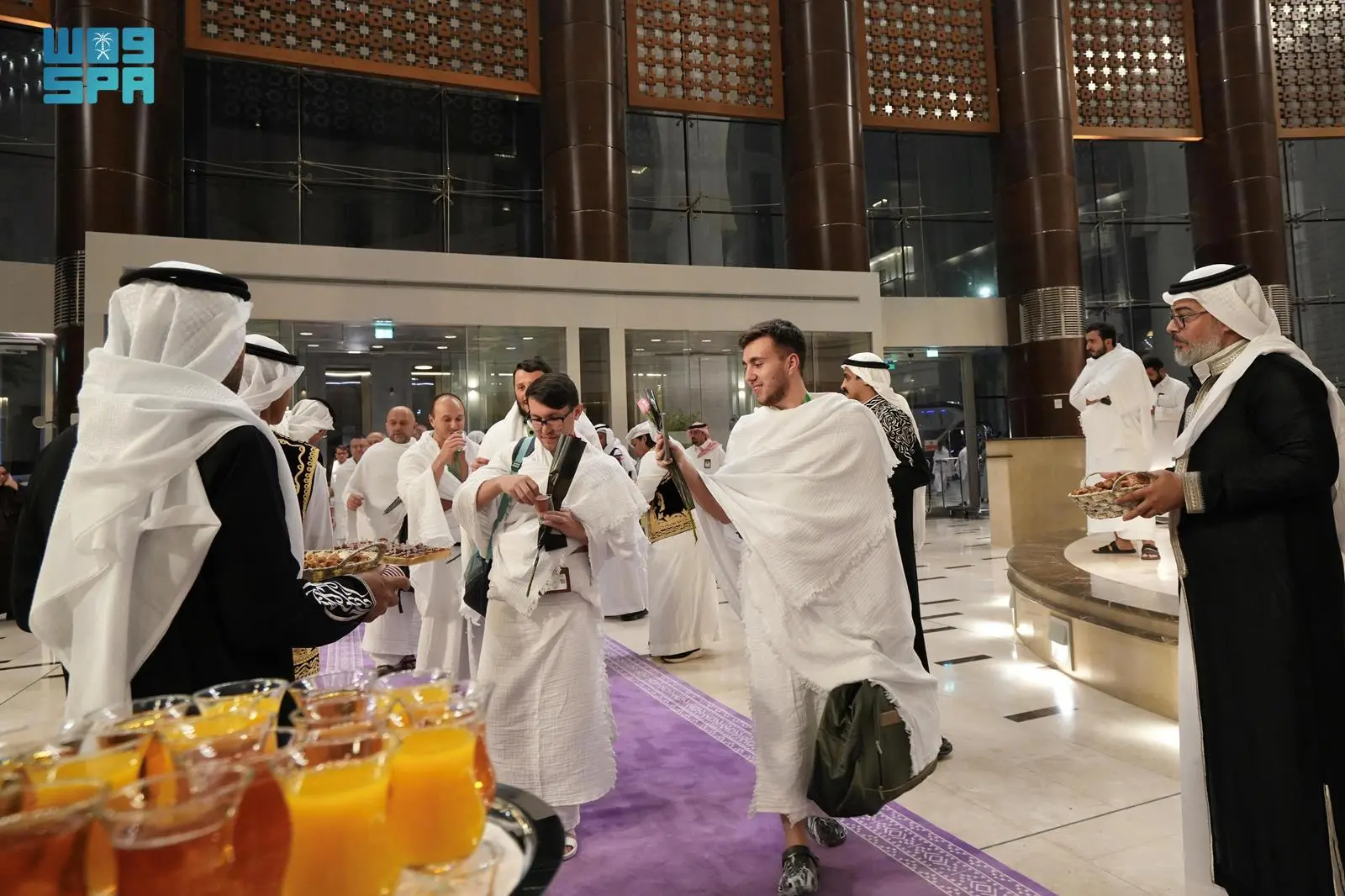
Image(1)
Meanwhile, the CEO of Rafal Real Estate Company, Elias Abu Samra, said that the new systems are expected to bring a transformation in sources of demand, project quality, and business models in Makkah and Madinah, expecting Madinah to witness faster growth because its real estate market is less mature compared to Makkah.
The two cities are candidates to attract the largest share of foreign direct investment in the short and medium term, thanks to their status among Muslims around the world, with interest expected to later extend to other cities as foreigners gain more experience in the Saudi market, and demand is expected to grow gradually and sustainably supported by the regulatory framework, digital infrastructure, and the development of the banking sector, according to Abu Samra.
Wed, 07 2026
Regarding the nature of expected investors, Abu Samra said that local funds are already active in Makkah and Madinah, but he expects foreign investors to bring their expertise, platforms, and international relations, enhancing product development and customer access abroad, adding that partnerships between local developers and foreign funds will be more beneficial than direct competition, as they may accelerate the pace of development.
On the ability of Saudi companies to market real estate internationally, he said that a number of developers are already cooperating with brokers and digital platforms in foreign markets, but he pointed out that building a strong international presence requires time and successful investment cycles, in addition to aligning financing sources with real estate products and appropriate distribution channels to attract international investors.
Original source: Aleqtisadiah


Comments (0)
Be the first to comment.