Oil Between Geopolitical Volatility and the Impossibility of Price Stability

Global oil markets remain trapped in a state of high volatility driven by geopolitical tensions, rendering stable pricing elusive as security concerns and supply chain disruptions continue to dictate market trends.
Global oil markets are experiencing a state of fluctuation and instability, despite international efforts aimed at calming the political and military tensions that directly affect crude price movements. In the current circumstances, predicting a stable price per barrel has become difficult, as prices swing sharply in response to evolving security and political conditions.
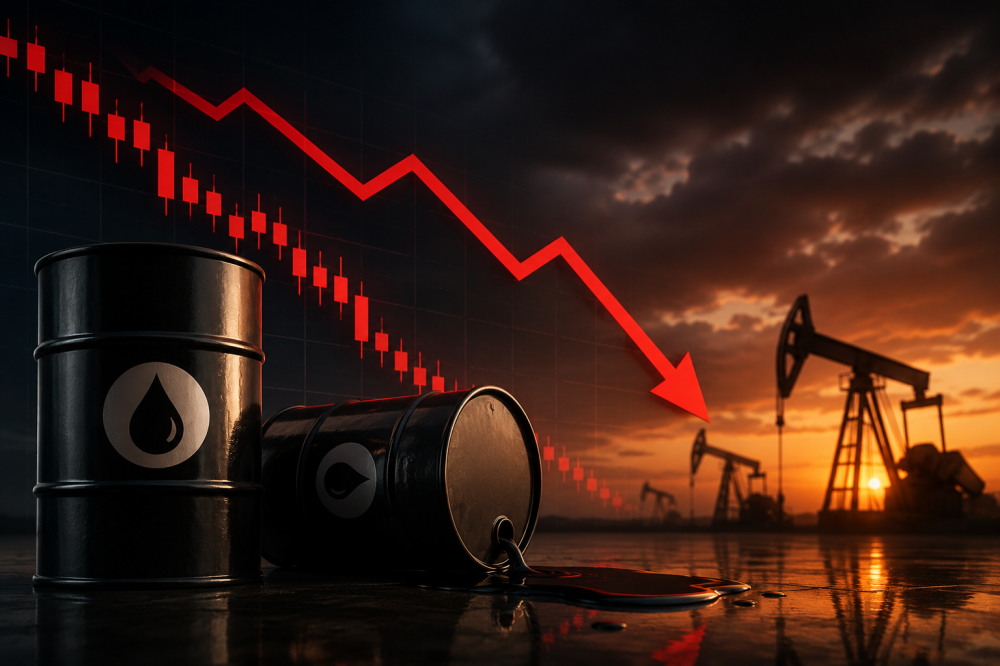
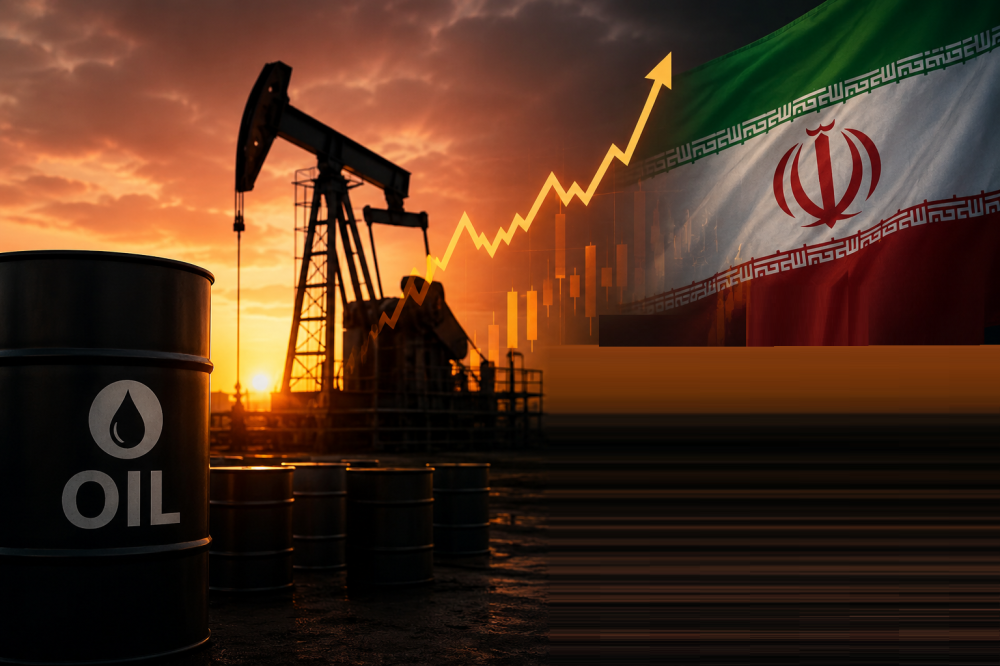
Previously, the price per barrel dropped below $70, before jumping rapidly to levels reaching $88, $93, and then exceeding $104 per barrel, as a result of attacks targeting oil facilities in the Arabian Gulf and escalating fears of a military confrontation between the United States and Iran, and the potential for disruption or a total halt to oil supplies coming from the Gulf, which represents one of the most important energy sources in the world.
Despite these developments, prices did not rise at the sharp rate that many analysts expected, yet they remained highly volatile, making it difficult to determine a stable price level for oil before reaching a political solution that ends the crisis between Washington and Tehran. Despite intermittent negotiation rounds,
markets are still anticipating an agreement or understanding that will ease tensions and restore confidence in energy markets.
In contrast, the American consumer has begun to feel the repercussions of rising oil prices through a noticeable increase in gasoline prices, especially during the peak summer vacation travel season, which creates economic and political pressure on the US administration.
Another direct consequence of this crisis is the decline in strategic and commercial oil reserve levels in the United States, after Washington moved to increase its exports of crude oil to Europe to compensate for part of the shortage resulting from the disruption of supplies from the Arabian Gulf. This trend could lead to an additional decline in US strategic oil reserves.
This development does not bode well for global energy markets, as the use of strategic oil reserves for commercial purposes or to supply external parties raises questions about the primary purpose of establishing these reserves, which were created essentially to face national crises and emergencies. Furthermore, this approach may encourage other countries to employ their strategic reserves to achieve political or economic goals, rather than limiting them to their traditional role as a means of protecting energy security.
Conversely, this shift may contribute to an increase in global demand for oil, not only to meet consumption but also to strengthen strategic reserves and expand storage capacities. Many countries may look to take advantage of periods of low prices to purchase large quantities of oil and store them, either to ensure their energy security or to benefit from them later in commercial activities.
Among the most notable beneficiaries of these variables is Russia, which has succeeded in maintaining its position as one of the most important global oil suppliers, managed to sell its oil at relatively high prices, and opened new markets while increasing its exports. The United States also found itself forced to accept India's continued import of large quantities of Russian oil, given the market's need to diversify supply sources. With Russia joining the 'OPEC+' alliance, the chances of major importers shifting away from Russian oil seem limited in the near future.
In light of these facts, it does not appear that oil markets are heading for a phase of permanent stability, as geopolitical crises will remain a key factor in determining price trends. Fears associated with the potential closure of the Strait of Hormuz or the disruption of navigation through it, or the imposition of restrictions and fees on the passage of oil tankers and commercial ships, remain among the most prominent sources of concern threatening global energy security. Furthermore, finding real alternatives to Gulf oil remains a difficult and costly option that would take many years.
In conclusion, all indicators confirm that oil prices will remain hostage to political and security developments, and that reaching a stable price level in the short term seems extremely difficult. Moreover, the ability of OPEC alone to control markets is no longer as sufficient as it once was, now that geopolitical factors have become the main driver of global oil prices.
Quoted from "Al-Rai"
Advertising material
Advertising material
Disclaimer: All published articles represent the opinion of their authors only.
Original source: Al Arabiya


Comments (0)
Be the first to comment.