Economic Resilience
Since the announcement of the Kingdom's Vision in 2016, and to this day, the series of achievements of the Saudi economy has continued uninterrupted, with the fruits of the Vision and its exceptional success in building a strong and advanced national economy based on solid foundations and firm principles being announced successively, propelling it toward sustainability, growth, and regional and international prominence, as testified by several international organizations and institutions that see in the Saudi economy a unique model of a promising economy that achieves all its aspirations and goals.
During nearly ten years since the launch of the Vision, the Saudi economy has become one of the most important economies in the region and the world, armed with a set of innovative ideas that have strengthened its position and moved it from "local" to "global." This was aided by the Kingdom's accession to the G20, which provided it with regular communication channels with major global economic and financial policymakers, until the Kingdom has become one of the countries with a strong economic system that enables it to play a major and influential role in shaping the global economic map and determining its priorities.
The recent credit rating of the Saudi economy by Fitch agency at "A+" with a stable outlook was not arbitrary, but rather stemmed from indicators pointing to the resilience of the Saudi economy, in addition to the outcomes of national economic diversification plans and their role in supporting the Kingdom's financial position and the growth of its financial reserves. Government debt ratios and net sovereign foreign assets were significantly stronger than the averages for 'A' and 'AA' ratings.
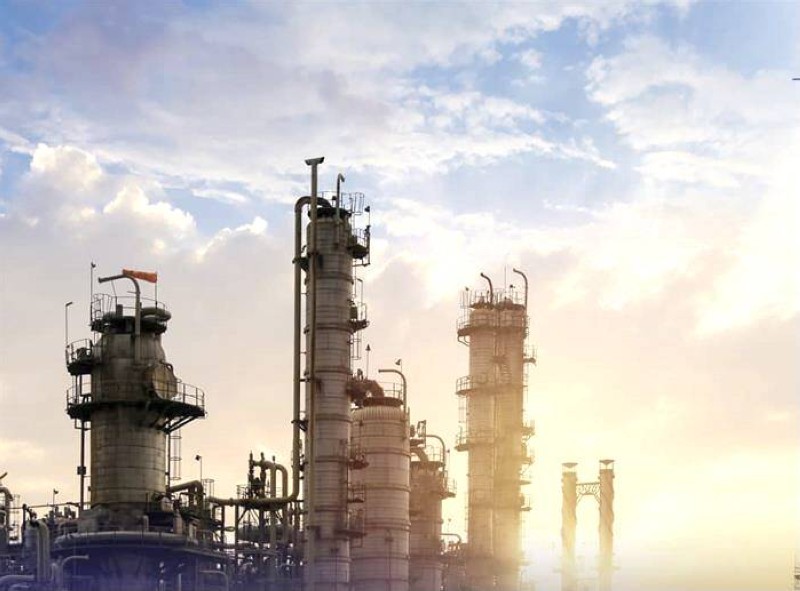
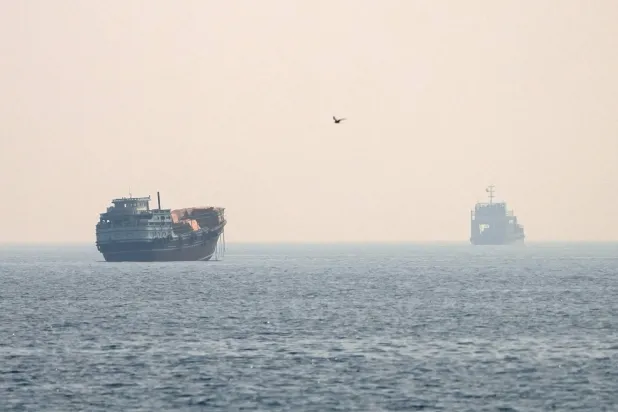
Fitch agency did not overlook the Kingdom's approach to dealing with the geopolitical challenges resulting from the recent war in the Gulf region, and how it utilized its logistical capabilities to overcome these repercussions, foremost among them exporting oil to the world despite the closure of the Strait of Hormuz throughout the war period. The agency expects economic growth in 2027, with the return of maritime traffic through the Strait of Hormuz, increased oil and petrochemical production, and the continuation of this growth into 2028.
Fitch's forecasts align with the estimates of the General Authority for Statistics, which showed that real GDP grew by 3% in the first quarter of 2026 compared to the same quarter of 2025, following earlier authority estimates indicating growth of 2.8% in the first quarter of 2026 year-on-year.
The Saudi economy's achievements are the result of the precise implementation of the plans and programs of the Kingdom's Vision 2030, which has always emphasized its primary goal: building a competitive economy by improving the business environment, creating an attractive climate for investors, providing job opportunities for the nation's citizens, keeping pace with global economic developments, and participating in development, growth, and the ability to influence.
Original source: Al-Riyadh



Comments (0)
Be the first to comment.