After Stalled Iran Talks, Will Vance Pay the Price Before 2028 Election?
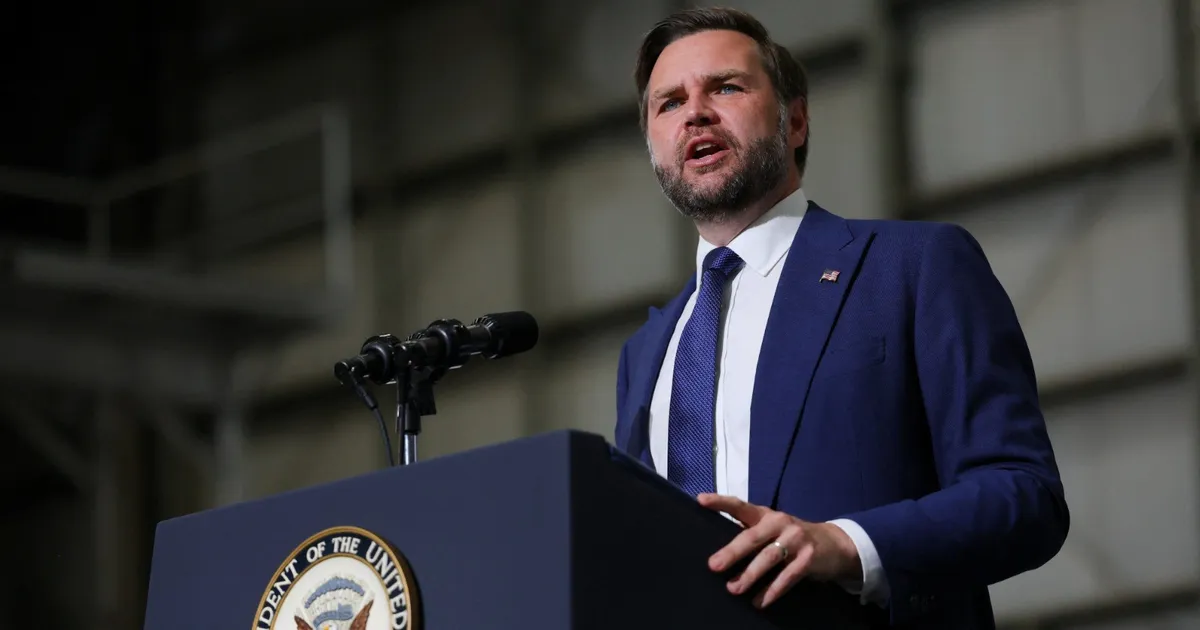
According to Politico magazine, aides and allies of U.S. Vice President JD Vance believe his early skepticism of Iran's intentions and his declared lack of confidence in its commitment to any agreement with the United States could become a political strength if peace efforts collapse and the conflict continues.
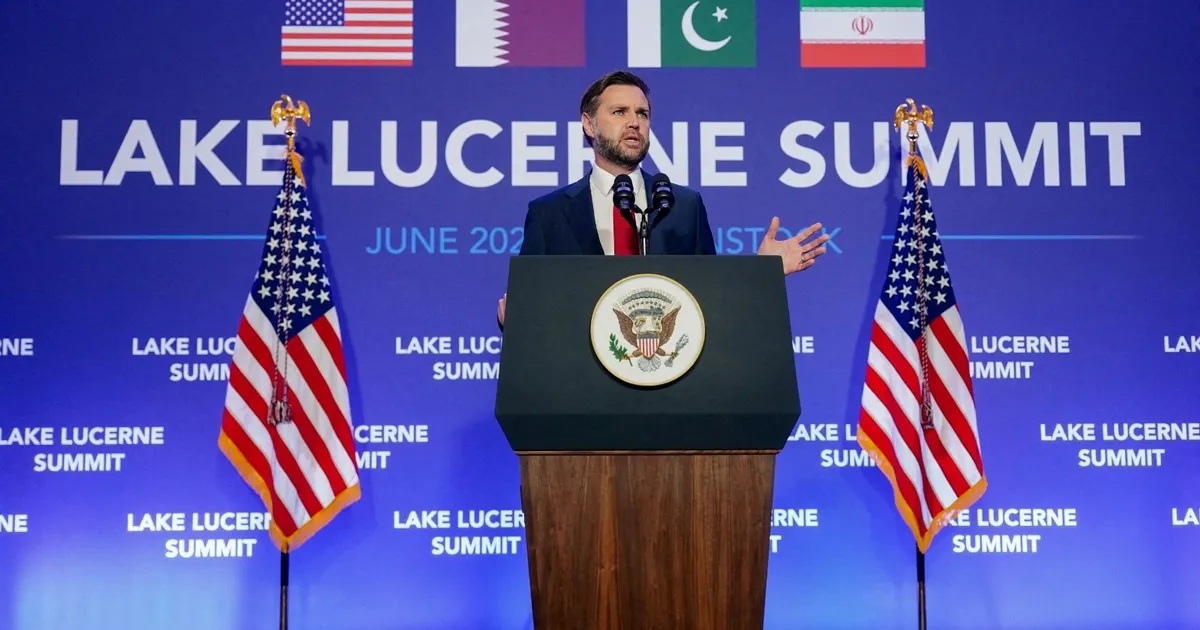
Vance stated last month that he does not trust the Iranians to abide by what the two sides might agree on, but he nevertheless went to Switzerland in an attempt to reach an agreement.
Politico reported that Vance had closely tied his political standing to the 'fragile' peace talks with Iran, but his political bet became more complicated last week after the ceasefire collapsed and the United States launched new strikes on Tehran, leading to rising oil prices and sparking fresh concerns among Republicans worried about the impact on the midterm elections scheduled for next November.
The magazine noted that Vance's political fate has become more tied to the war with Iran than any other American politician, but his aides and allies believe that his early skepticism about the viability of the conflict and his public doubts about the possibility of relying on Tehran for peace could form his 'political lifeline' ahead of the 2028 presidential election if military operations continue.
The magazine quoted a Republican activist supporting Vance, who requested anonymity, as saying: 'It wasn't necessarily part of a calculated strategy, but it ultimately put him in a good political position. From a purely political perspective, the most important thing was that he be seen as seeking to end the war while maintaining his loyalty and alignment with the president.'
Political Gains in Either Case
According to Politico, Vance's position as a key player in the negotiations, combined with his declared skepticism of Iran's intentions, gives him the opportunity to claim credit if talks make progress, or to say 'I told you so' if they falter.
That position also earns him support from Republicans who want to end the war immediately, as well as from the more hawkish wing of the party that backs resuming the bombing campaign. Most importantly for Vance and his allies, he never appeared disloyal to President Donald Trump at any point.
One of Vance's allies said: 'How can he be held responsible? I don't think sensible people will punish someone who failed in his attempt to achieve peace. In other words, war opponents won't blame him for trying to end it.'
Republican Doubts
Despite that, many Republicans still doubt Vance's ability to escape political fallout if a new war leads to catastrophic results. While acknowledging that he is trying to achieve the best possible outcome under difficult circumstances, they insist that voters will realize who is responsible for rising fuel prices as the 2028 election approaches, according to Politico.
A former Trump administration official said Vance's aides 'truly believe they are on a noble mission to save the world, which is great,' but added: 'They found themselves in an extremely bad situation, and no matter how hard they try, they can't spin it.'
Rising Fuel Prices
Politico noted that fuel prices have again approached $4 per gallon following the collapse of the ceasefire, with the average gallon price reaching $3.88 on Friday, according to the American Automobile Association, ending weeks of decline.
The International Energy Agency also warned that 'the renewed exchange of fire highlights the risks of failing to reach a lasting peace agreement, which is essential for restoring stability in oil markets.' Meanwhile, the number of ships transiting the strait fell to its lowest level in two weeks.
Who Bears the Cost of the Failed Agreement?
Another former U.S. official said the collapse of the ceasefire was inevitable, and the situation is likely to continue for months, because the memorandum of understanding did not address two main disputes: 'linking the situation in Lebanon to the ceasefire in the Strait of Hormuz' and the issue of 'control of the strait.'
The official noted that the vice president would bear the cost of the potential failure of the memorandum, saying: 'He is the person most exposed to loss. The memorandum is likely to fail, and it will be held against him,' as he put it.
In contrast, a senior U.S. official blamed the recent Iranian attacks on what he described as a 'rogue element' inside Iran that does not align with the negotiating team.
The official told reporters during a White House-organized call: 'It is very important to characterize the matter accurately, and what happened does not represent a reinterpretation of the memorandum of understanding.'
He added: 'Some elements inside Iran decided to say: Wait, we gave up leverage we didn't want to give up. So it backtracked on the ground from its commitments after being surprised by the speed of the resumption of oil and gas flow through the southern corridor (of the Strait of Hormuz).'
Vance continued to present the same narrative in remarks to reporters, insisting that the agreement itself is sound and that the problem lies with the Iranians. During a rally in Wisconsin last week, he said: 'The agreement is very simple. If they shoot at ships, we will hit them hard,' adding: 'That's how it will go, simply.'
Support from War Opponents
Politico reported that Vance's efforts have been welcomed by some of the most prominent anti-war voices within the 'Make America Great Again' (MAGA) movement, who acknowledge that the vice president faces a 'political dilemma' imposed by the limits of his position as Vice President Trump.
They believe that avoiding a prominent role in the U.S. negotiations with Iran would have posed no less a political risk to Vance than the path he chose, noting that his silence in the days following the start of the Trump administration's first attack on Tehran angered the anti-interventionist wing of the Republican Party.
Kurt Mills, editor-in-chief of The American Conservative magazine and also a prominent war opponent, said: 'Ending the war is the surest path for him to the presidency, and it is also the right thing to do, so he must try.'
Vance's Allies Rule Out Impact on His Chances
Vance's allies reject the idea that the collapse of a peace agreement could hurt his chances in the 2028 presidential election, arguing that risking his political capital to reach a deal will benefit him, according to Politico.
A member of Republican lobbying groups and a former Vance donor said the vice president never claimed the task would be easy, adding that his team feels 'very comfortable' with the way he handled this complex political issue and believes he 'did everything the right way.'
He added: 'From their perspective, the most important thing for Vance was to stay aligned with the president and follow his approach, which he has adhered to throughout this process.'
White House Demands Iranian Commitment
A White House official agreed with that assessment, noting that the administration is united in its conviction that Iran faced consequences for failing to abide by its commitments in the agreement.
Original source: Asharq News


Comments (0)
Be the first to comment.