Inflation in Saudi Arabia stabilizes at 1.8% as food accelerates and rents slow

The inflation rate in Saudi Arabia stabilized in June at 1.8% year-on-year, the same levels recorded in the previous May.
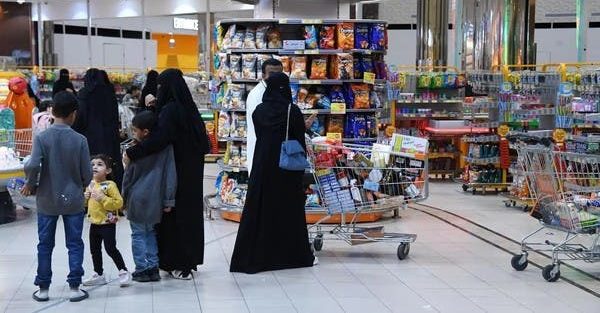
The stabilization of inflation in Saudi Arabia in June coincided with an acceleration in the food and beverages section to its highest level since last October at 1.4% year-on-year, driven by rising food prices.
In contrast, the housing and electricity section (the second most influential section in the index) continued to slow, with rents recording their lowest increase in 44 months at 4.4%, continuing their slowdown for the 19th consecutive month.
Mon, 15 2026
Image(6)
Housing rents continue to slow for the 19th month
The slowdown in the "housing, water, electricity, and gas" section came as the rise in housing rents eased, recording its lowest pace in 44 months at 4.4%, continuing its slowdown for the 19th consecutive month, thanks to the slowdown in rents in Riyadh for the tenth consecutive month at 5.9%, the lowest level in more than three years, according to data available since the General Authority for Statistics began collecting data.
This comes in the 15th month after the directive of Saudi Crown Prince Mohammed bin Salman, issued at the end of last March, which specified 5 measures to achieve balance in the real estate sector in the capital, while the Saudi government froze rent increases in Riyadh for 5 years starting from last September 25.
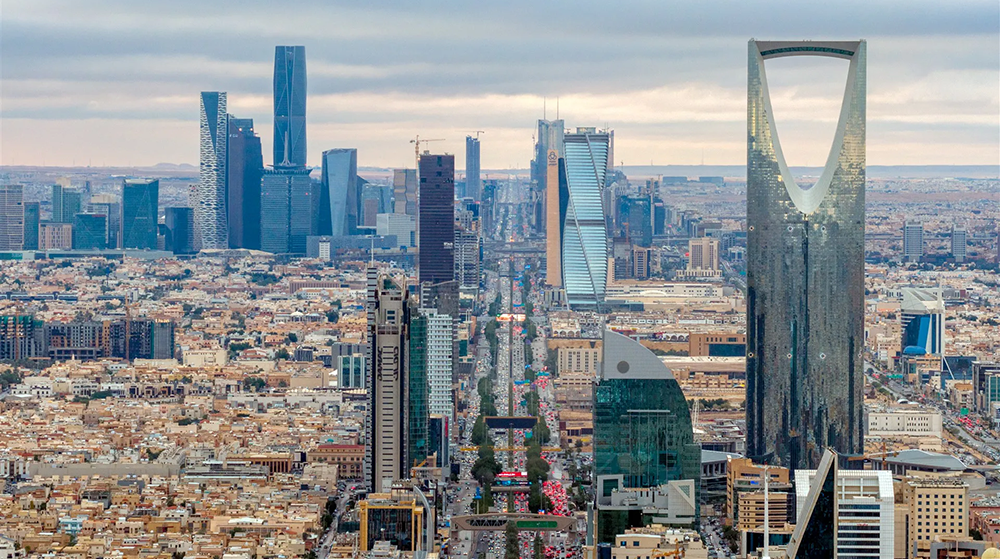
The real estate balance measures came against the backdrop of record increases in land and rent prices in Riyadh over the past years.
The rise in rental prices had come amid increasing demand for housing in parallel with global companies establishing regional headquarters in Saudi Arabia, creating demand for housing by their employees, and a slowdown in supply due to reduced construction activity and a decline in new residential mortgage financing.
The International Monetary Fund had attributed the rise in rents to inflows of expatriate workers and major redevelopment plans in Riyadh and Jeddah.
The Fund stated in its 2025 Article IV consultation report that inflation in Saudi Arabia remains under control, expecting it to remain near its target levels of 2% as housing rents slow.
Image(5)
Tue, 30 2025
Medium-term Saudi inflation expectations
The inflation rate in Saudi Arabia is expected to accelerate to 2% in 2025, up from 1.5% in 2024. The Ministry of Finance's forecasts indicate that inflation will stabilize at 2% this year, then 1.8% in 2027, before rising slightly to 1.9% in 2028.
August 2020: Peak of Saudi inflation
Saudi inflation peaked in August 2020 at 6.2% after the Saudi government raised the value-added tax from 5% to 15% effective July 2020, as state revenues suffered from the decline in oil prices amid the COVID-19 pandemic. The inflation rate began to slow a year after the tax increase as its effect dissipated.
Food and beverages top the weights
Since the data from last August, the General Authority for Statistics has adopted a new methodology for measuring inflation. According to the updated methodology, "food and beverages" became the largest section by weight in the index at 22%, after being second at 18.8% previously, while the weight of "housing, water, electricity, and gas" dropped to the second largest at 19.5%, down from 25.5%.
The transport section maintained its third place at 14.8%, compared to 13%, while a new section titled "insurance and financial services" was introduced with a weight of 5.8%, at the expense of the "personal care, social protection, and miscellaneous goods and services" section, whose weight dropped to 5.8% after being 12.6%.
Financial Analysis Unit
Original source: Aleqtisadiah
Comments (0)
Be the first to comment.