A Riskier Investment Than Bitcoin
A Riskier Investment Than Bitcoin
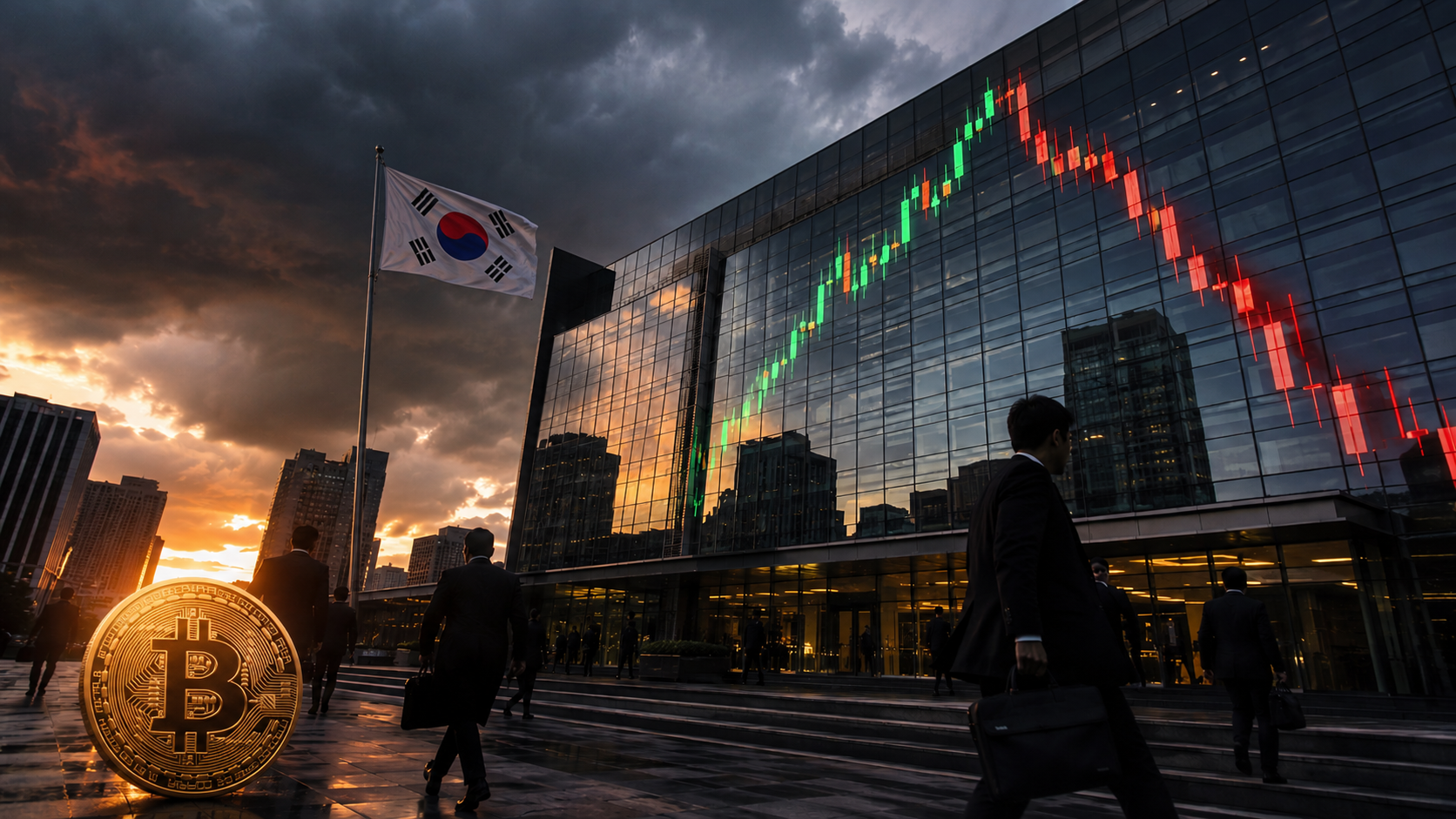
Investors have long considered cryptocurrencies - especially Bitcoin - the most volatile among financial assets, even becoming synonymous with risk. But this year, an unexpected competitor has surpassed it in volatility, as Korean stocks have become the epicenter of global fluctuations. What is the reason?
The Most Volatile Assets
- The volatility of the Korean KOSPI index has exceeded 60% since the beginning of this year, surpassing Bitcoin which recorded 50%. The index has risen about 60% since the start of 2026, after its gains exceeded 110% earlier this year.
Why this volatility?
- The KOSPI index has become a bet on just two companies: Samsung Electronics and SK Hynix together account for more than half of the index's market value, benefiting from the AI chip boom and rising profits.
How so?
- Indicating that a few stocks dominate the index's market value, the KOSPI hit a record high in late June, despite a decline in more than 650 of the 831 stocks listed on the index, reflecting the concentration of gains in a few stocks.
What fuels the volatility?
- The spread of leveraged exchange-traded funds has increased volatility. These financial products rely on borrowing to double the daily return of stocks, causing any price movement to quickly turn into sharp waves of buying and selling.
How massive are they?
- Assets of leveraged ETFs in Korea surged to over $40 billion in early July, compared to $5 billion at the start of 2026. Individual investors dominate 90% of fund flows related to Samsung and SK Hynix stocks, which together with the trading of these two stocks account for more than 70% of the daily trading value in the market.
What are the risks?
- Leveraged index funds usually attract professional investors, but in South Korea, individuals dominate, exacerbating the risk of forced selling. More than 1.2 million accounts have received margin calls since the start of 2026 through July 13, with about 360,000 accounts fully liquidated.
What is the result?
- This has led to violent daily fluctuations in Korean stocks, prompting the exchange to activate a temporary trading halt mechanism to limit sudden drops 7 times since the start of 2026, compared to never being activated in 2025 and only once in 2024.
Why does Wall Street care?
- Korean stock volatility is no longer a local matter. According to Evercore analysts, the correlation coefficient between the KOSPI and the Nasdaq 100 has risen to about 0.95, meaning the two markets move almost identically, increasing the risk of volatility spillover.
Is the story repeating?
- The United States is experiencing a similar boom. Assets of US leveraged funds reached a record $218 billion, up 60% since the end of March, with increasing concentration in technology stocks, according to Scott Rubner, analyst at Citadel Securities.
Lower risks
- Despite rapid growth, leveraged funds still represent less than 1% of total assets of ETFs and mutual funds in the US, meaning their risks to the entire US market remain limited.
The Korean experience
- Wall Street may not be facing a new version of the Korean experience yet, but what happened in Seoul illustrates how a mix of leverage, concentration of investments in a limited number of stocks, and intense demand from retail investors can drive the market to unprecedented volatility.
Sources: Argaam - Bloomberg - Business Insider - Reuters
Variety
Bitcoin
Cryptocurrencies
{{displayname}}
{{profession}}
{{followercount}}
{{aboutme}}
Original source: Argaam




Comments (0)
Be the first to comment.