After a Brief Lull, Hormuz Returns to the Center of the Crisis
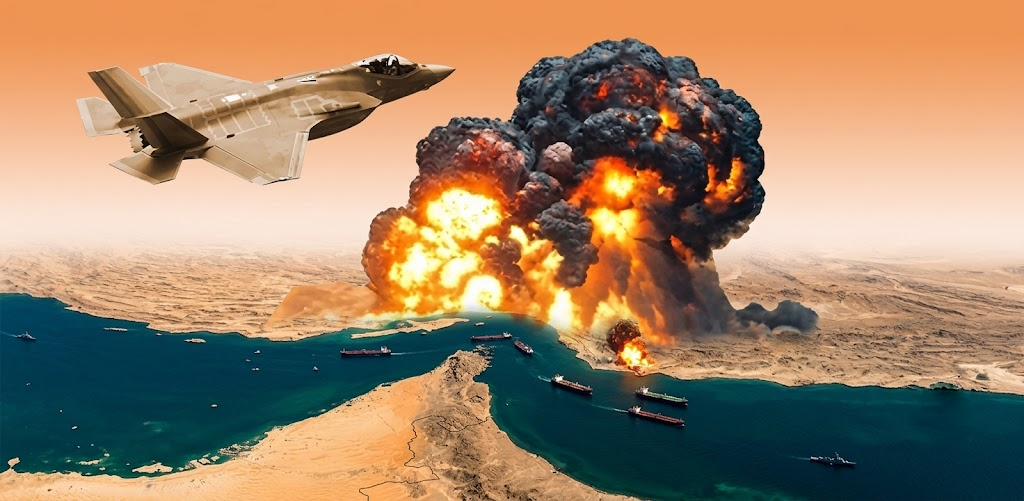
After a brief lull, Hormuz returns to the center of the crisis
After a short period of calm following the memorandum of understanding between Washington and Tehran, the Strait of Hormuz has returned to the center of the crisis, with Trump formally notifying Congress of the resumption of military operations against Iran, and announcing that the United States will assume the role of 'guardian of the strait' in exchange for fees on transiting shipments.
The targeting of two Emirati tankers in the southern corridor of the strait has heightened risks, confirming that the crisis has returned to a direct threat to navigation and tanker security, which quickly reflected on oil prices and shipping costs.
The developments indicate that the crisis has moved from a phase of temporary calm to a new phase characterized by the resumption of military operations, control of energy corridors, transit fees, targeting of tankers, and repricing of shipping and supply risks across the Strait of Hormuz.
Key developments
1- Trump: The United States will be the guardian of the Strait of Hormuz in exchange for a 20% fee
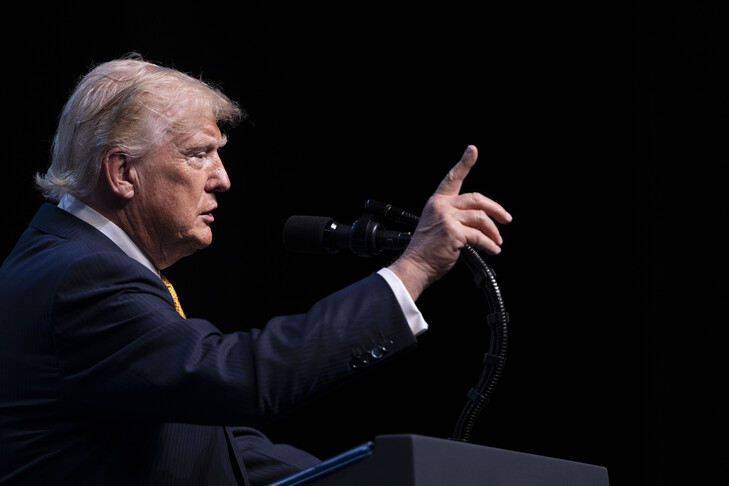
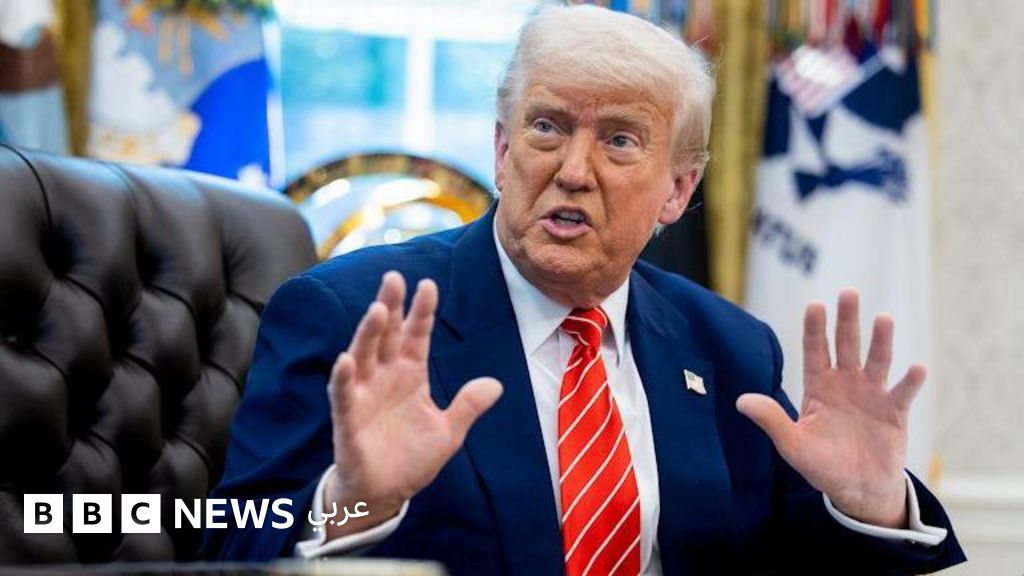
US President Donald Trump said the United States will assume the role of 'guardian of the Strait of Hormuz', adding that it will charge a fee equivalent to 20% on all shipments transiting the strait in exchange for this protection.
At current prices, this fee amounts to about $32 million for a very large crude carrier, far exceeding previous Iranian transit fees that reached up to $2 million, returning the strait to the center of the crisis after a brief period of calm.
2- Trump formally notifies Congress of resumption of war with Iran
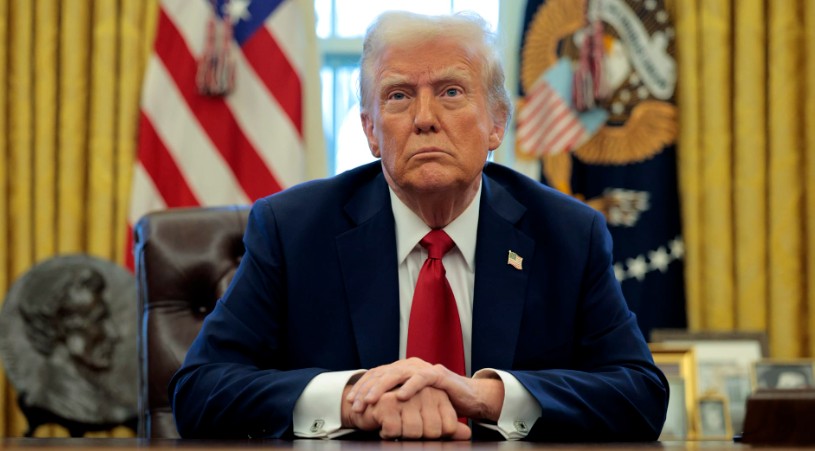
US President Donald Trump formally notified Congress last week of the resumption of military operations against Iran, granting the Pentagon an additional 60-day deadline to use military force in the region without needing congressional approval.
Trump informed lawmakers that US strikes resumed against Iran on July 7, clarifying that US ground forces are not involved in the operations, and that the strikes are limited and calculated and aim to minimize civilian casualties.
3- UAE: Two national tankers targeted with two missiles in the Strait of Hormuz
The UAE Ministry of Defense announced that the two national tankers 'Mombasa' and 'Al Bahia' were targeted with two Iranian cruise missiles in the southern corridor of the Strait of Hormuz in Omani territorial waters.
The attack resulted in the death of one crew member of the tanker 'Mombasa' and injury of eight others, along with material damage to the two tankers due to a fire that was brought under control. The UAE affirmed its full right to respond and take necessary measures to protect its security and sovereignty.
4- Oil jumps about 9% as blockade risks return
Oil prices jumped about 9% on Monday, before Brent crude futures opened Tuesday trading near $84 per barrel, while West Texas Intermediate crude futures opened around $79 per barrel.
The increase came after Trump announced that the United States would reimpose a blockade on Iranian ships using the Strait of Hormuz, along with seeking to impose fees on other shipments transiting the waterway.
5- Refined petroleum products remain high despite crude decline
Despite oil crude prices falling to levels near pre-war levels, refined petroleum product prices remain high, driven by continued record refining margins.
This is due to global supply disruptions, including the repercussions of the Russian-Ukrainian war, meaning that the decline in crude does not necessarily immediately reflect on fuel and final product prices.
6- Iran holds more than 60 million barrels of floating storage
According to 'TankerTrackers' data, Iran has floating storage capacity exceeding 60 million barrels, providing it with a margin to deal with any potential reduction in oil production.
The data indicated that Tehran has exported more than 80 million barrels of crude oil and refined products since signing the memorandum of understanding with the United States, while about 30 million barrels of crude remain inside the country amid the reimposition of the US naval blockade.
7- Turkish-Iraqi agreement ensures continuation of Kirkuk-Ceyhan pipeline
Turkey and Iraq have reached a one-year agreement ensuring the continued operation of the Kirkuk-Ceyhan pipeline, maintaining oil exports of about 200,000 barrels per day, alongside ongoing negotiations for a long-term agreement.
The agreement provides Iraq with an important export outlet that reduces its dependence on the Strait of Hormuz, at a time when geopolitical risks associated with maritime corridors in the region continue.
8- OPEC lowers its forecast for global oil demand growth in 2026
OPEC has lowered its forecast for global oil demand growth in 2026 to 800,000 barrels per day.
The forecast cut comes at a time when several factors are intersecting in the oil market, between the return of geopolitical risks in the Strait of Hormuz, slowing demand indicators, and continued uncertainty over supplies.
Key indicators
9- Oil
Brent crude futures opened Tuesday trading near the level of $84 per barrel, while West Texas Intermediate crude futures opened around $79 per barrel, after oil prices jumped about 9% on Monday.
The gains came as concerns related to the Strait of Hormuz returned, following Trump's announcement that the United States would reimpose a blockade on Iranian ships using the strait, along with seeking to impose fees on other shipments transiting the waterway.
10- Natural gas
Natural gas futures prices in the United States, according to the Henry Hub index, opened Tuesday trading at levels of $2.90 per million British thermal units.
European natural gas futures prices opened Tuesday trading at levels of 52 euros per megawatt-hour.
11- Gasoline prices in America
The average gasoline price in the United States rose slightly on Monday to $3.823 per gallon, compared to $3.820 the previous day, according to data from 'GasBuddy', a website specializing in tracking fuel prices. Before the start of the war, the average price was $2.83 per gallon.
12- Shipping
The Baltic Dirty Tanker index, which reflects global crude transport costs, rose on Monday by 1.43% to 2060 points.
The index rise reflects renewed pressure on shipping costs, with renewed risks associated with the Strait of Hormuz and the potential US blockade on Iranian ships.
{{displayname}}
{{profession}}
{{followercount}}
{{aboutme}}
Original source: Argaam


Comments (0)
Be the first to comment.