Caspian Pipeline Consortium oil terminal operating normally after attack
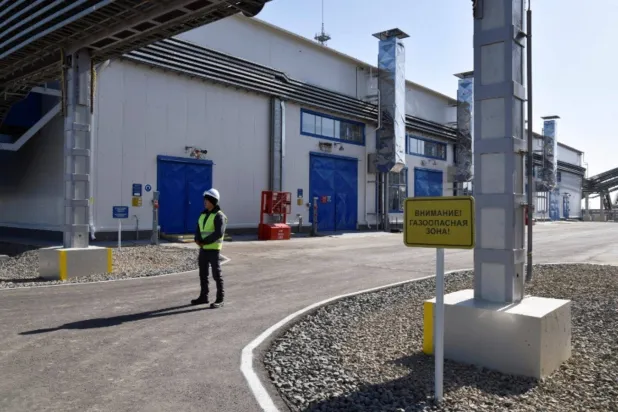
Kazakhstan's Energy Ministry announced on Saturday that the infrastructure of the Caspian Pipeline Consortium terminal off the Russian coast on the Black Sea is operating normally.
The German Solar Industry Association warned that plans by the German Ministry of Economics threaten the expansion of solar energy use in the country.
The association explained that the abolition of subsidies for new small solar systems from 2027, as proposed, would lead to a decline in investments of billions of euros and jeopardize tens of thousands of jobs in medium-sized companies and the craft sector.
The German Ministry of Economics, headed by Katrin Reich, recently published a draft of the new amendments to the Renewable Energy Act, along with what is known as the 'network package'.
The drafts stipulate that owners of solar systems with a capacity not exceeding 25 kW, to be installed from 2027, will receive a guaranteed feed-in tariff for a period not exceeding 36 months.
After this transition period ends, owners of these systems will have to switch to direct marketing of electricity, i.e., selling electricity through a service provider on electricity exchanges, where prices fluctuate and are difficult to predict.
The CEO of the German Solar Industry Association, Carsten Kornisch, said: 'These plans are completely out of touch with reality. They keep households dependent on fossil fuels for longer and threaten tens of thousands of jobs in the solar sector.'
The plans also stipulate reducing compensation for new solar and wind power plants located in areas already suffering from grid bottlenecks, if these plants have to temporarily shut down to avoid overloading the grid.
The association also criticized this approach, considering it would turn large parts of Germany into areas unsuitable for renewable energy projects.
For his part, Green Party economic policy spokesman Michael Kellner said that the 'network package' excessively considers the interests of grid operators, giving them six years to address grid bottlenecks, and added: 'This slows down expansion. Also, solar electricity generated on rooftops will be significantly restricted under this package. That is a mistake. We need this energy, especially for running air conditioning.'
Since 2000, the Renewable Energy Act has supported the expansion of electricity generation from renewable sources in Germany.
According to the energy sector, the share of wind, solar, biomass, and other renewable sources reached 58 percent of electricity generation in 2025, with a target of raising it to 80 percent by 2030.
Reich, a member of the Christian Democratic Union, confirmed her commitment to this goal, explaining that the law reform aims to reduce support costs.
The Ministry of Economics prepared the first draft of the reform in January, but it faced objections from Finance Minister Lars Klingbeil and Environment Minister Carsten Schneider, both from the Social Democratic Party, due to fears that the amendments would slow down the energy transition.
Original source: Asharq Al-Awsat


Comments (0)
Be the first to comment.