China continues to cut off rare earth metal supplies to Japan
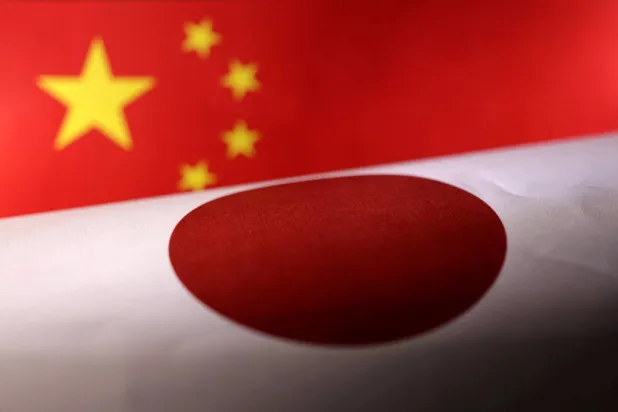
China's exports of strategically important and controlled rare earth metals to Japan fell sharply in June
China's exports of strategically important and controlled rare earth metals to Japan fell sharply in June, exacerbating the fallout from the diplomatic dispute between the two countries over raw materials. Chinese customs data released Monday showed that China exported no gallium, dysprosium, terbium, or yttrium to Japan last month. Exports have been subject to strict restrictions for several months. Japan has the world's largest rare earth magnet production sector outside China, but like other countries, it relies on China for imports of some rare earth inputs.
Exports of controlled minerals have fallen sharply after comments by Japanese Prime Minister Sanaye Takaiti regarding Taiwan in November last year, which caused a diplomatic rift. Beijing imposed export restrictions on types of heavy rare earth elements and magnets containing them in April 2025. It publicly tightened export restrictions to Japan in January last year, and then twice more the following month, targeting major conglomerates.
Companies in Japan have sounded the alarm about access to critical minerals, warning that it is beginning to affect the Japanese economy as a whole. China's export controls allow it to exploit its dominant position in critical mineral supply chains, and have become one of Beijing's strongest diplomatic tools, also discussed in recent negotiations with U.S. President Donald Trump. Exports of gallium metal, used in chip and magnet manufacturing, fell to zero in June, after consumers there got some relief with a large shipment in May. The shortage caused by export controls on yttrium—a rare earth element used to protect turbine blades in aircraft engines or power plants from extreme heat—has disrupted the market. China exported no yttrium to Japan in June. In contrast, the United States, which was a major destination for China's rare earth exports before the restrictions took effect, received no shipments for the second consecutive month. In a related context, China's total exports of rare earth magnets remained strong in June, exporting about 5,649 metric tons of magnets, compared to 4,730 tons the previous month.
Original source: Asharq Al-Awsat




Comments (0)
Be the first to comment.