Could Immune-Modified Cells Open the Door to Diabetes Treatment Without Immunosuppressants?
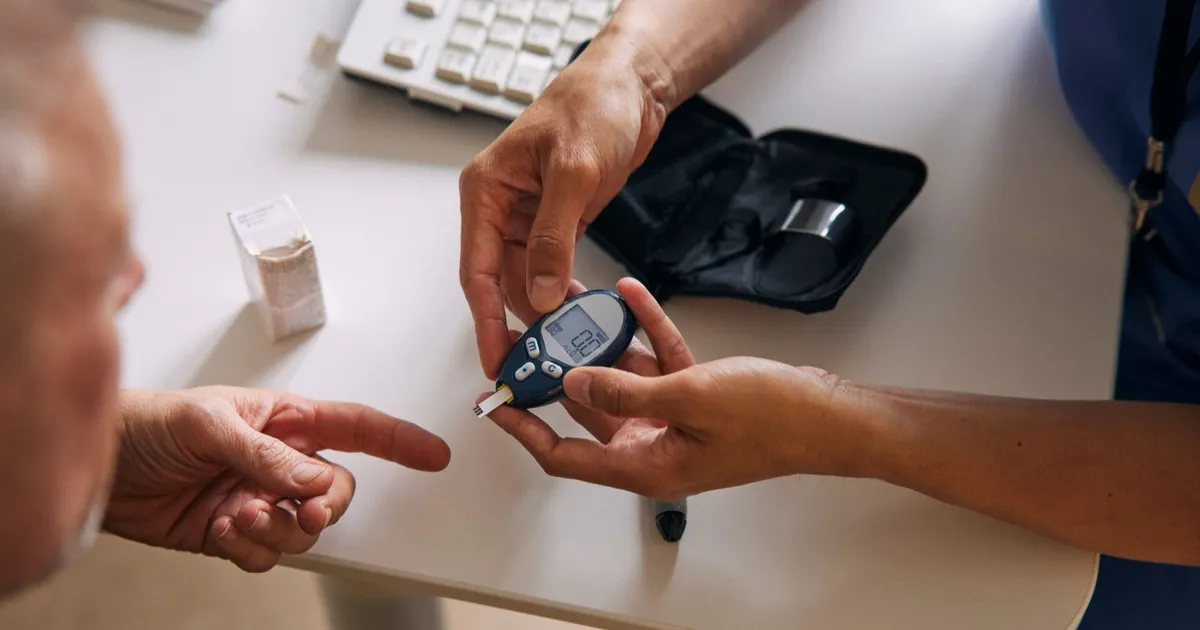
Researchers have tested a novel cell therapy for type 1 diabetes using immune-modified insulin-producing cells that may survive without chronic immunosuppression. Presented at ISSCR 2026, the approach aims to overcome immune rejection, a major barrier. While promising, further studies are needed to confirm safety and efficacy.
Researchers have tested a novel approach to treating type 1 diabetes, based on transplanting insulin-producing cells that are immune-modified, so they can survive and function inside the body without the need for chronic immunosuppressants.
The study was presented at the 2026 annual meeting of the International Society for Stem Cell Research, a step that researchers say could help overcome one of the biggest obstacles to cell replacement therapies for type 1 diabetes: immune rejection of transplanted cells.
Type 1 diabetes occurs when the immune system attacks and destroys the insulin-producing cells in the pancreas, leaving patients in constant need of insulin replacement.
Promising path: Although transplanting pancreatic islet cells or stem cell-derived cells is a promising avenue for restoring natural insulin production, widespread use has been limited because patients require immunosuppressive drugs to prevent rejection of the transplanted cells.
Lead author Sonja Schrepfer, a researcher at Cedars-Sinai Medical Center in the United States, said that type 1 diabetes treatment still relies primarily on insulin replacement, not on replacing the cells the body has lost. She noted that the study aims to develop a cell therapy that can survive and function without chronic immunosuppression, potentially paving the way for a functional therapy that could ease the daily burden on patients.
The study assessed whether so-called low-immunogenic engineering, or 'immune-privileged cells,' could help cells transplanted from another donor evade immune attack, persist in the body, and perform their function of producing insulin without the need for chronic immunosuppression.
Schrepfer explains that the study's significance lies in bringing a central question in the field to testing in humans: Can this immune engineering allow transplanted cells to survive and function without long-term immunotherapy?
Future of cell therapies: Researchers in the study believe that if this approach is confirmed in subsequent studies, it could expand the feasibility of cell replacement therapies for type 1 diabetes by removing one of the main barriers limiting patient access: the risks and burdens of continuous immunosuppression.
The potential significance of the study extends beyond diabetes; it could provide broader insights into the future of off-the-shelf cell therapies, which rely on cells taken from donors or derived from stem cells and then modified so they are not rejected by the patient's immune system.
Lead author Schrepfer noted that reliably protecting transplanted cells from immune rejection could open the door to various types of cell, tissue, and possibly organ replacement therapies in the future, making them available to patients when needed.
However, researchers stressed that the path is still in its early stages. There remain key questions to answer, including the durability of the modified cells inside the body over time, how they interact with immune responses against donor cells and with the autoimmune response characteristic of type 1 diabetes, as well as the feasibility of scaling this approach into a manufacturable therapy.
According to the researchers, confirming the safety and efficacy of this approach in larger, longer-term studies could represent an important step toward a functional treatment for type 1 diabetes that replaces insulin-producing cells rather than just replacing the hormone daily.
Original source: Asharq News


Comments (0)
Be the first to comment.