Criticism of Declining Gas Production in Egypt Despite Settlement of Foreign Companies' Dues
The decline in gas production in Egypt, despite the settlement of foreign companies' dues, faces criticism and parliamentary demands for a 'comprehensive review' of investment attraction policies.
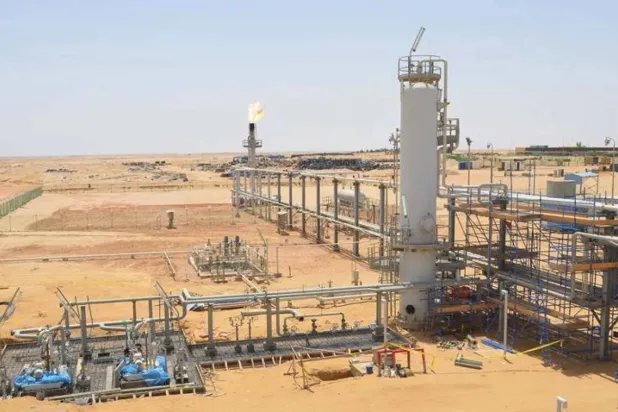
Egypt's gas production recorded a new decline in May, amid rising imports and consumption, according to the Joint Data Initiative (JODI) energy database. Egypt's natural gas production reached 3.3 billion cubic meters in May, bringing the average daily production for the month to 3.74 billion cubic feet, a decrease of about 1.2 percent from April and 7.5 percent year-on-year.
During the first five months of this year, Egypt's gas production fell by 8 percent year-on-year, while consumption increased by 7.3 percent. Egypt's gas imports also rose by 7 percent in May compared to the previous April, reaching 2.33 billion cubic meters, according to the 'Energy Database Report' last week.
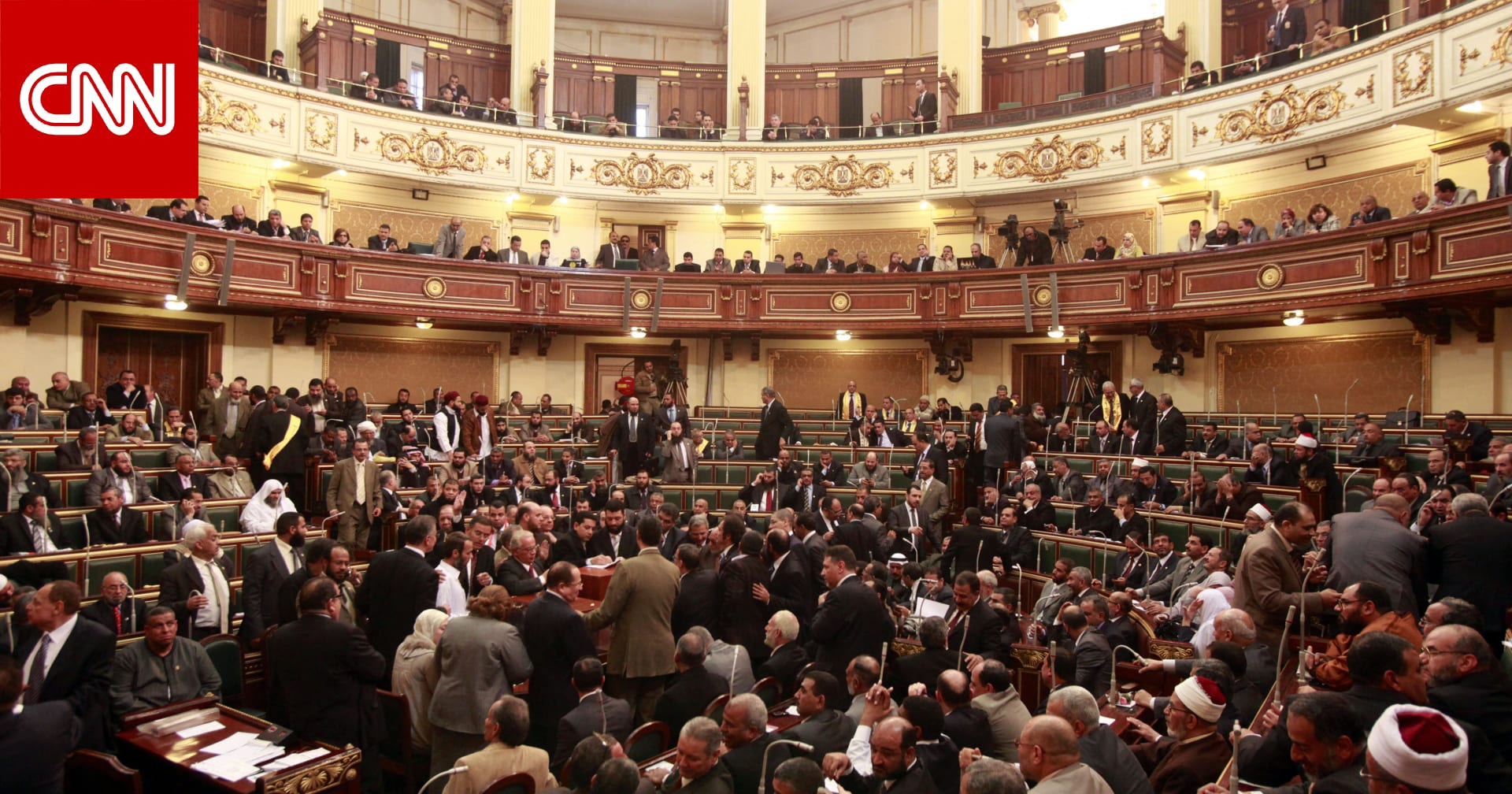
Member of Parliament Mohamed Fouad called for a 'comprehensive review of the country's energy file management.' In a post on his Facebook page on Thursday, he stated that 'the continuation of current policies is no longer commensurate with the scale of challenges facing the oil and gas sector.' He said that 'the energy sector is witnessing a continuous decline despite repeated promises of improved production,' adding that 'the government previously linked the return of production to paying the dues of foreign partners; however, indicators have not seen the expected improvement after settling a large part of those dues,' in his view.
In June, the government announced the full settlement of the overdue dues of investment partners in oil and gas production, which had reached about $6.1 billion in June 2024. Oil Minister Karim Badawi said at the time that this step 'paves the way for a more active phase in exploration, field development, and accelerating the implementation of production projects.'
Oil Minister Karim Badawi during an inspection of a gas field in the Mediterranean last month (Egyptian Ministry of Petroleum)
Economic expert Wael Al-Nahas told Asharq Al-Awsat that 'the delay in paying foreign companies' dues for nearly two years caused disruption and affected production rates and exploration operations.' He added that 'not all company dues were paid in cash; rather, settlements were reached, where companies export part of the extracted gas to obtain their dues,' according to him.
Al-Nahas believes that 'there are no clear policies in Egypt for managing the energy file and gas and oil discoveries,' noting that 'the matter requires a clearer strategic vision.'
However, Waleed Gaballah, a member of the 'Egyptian Society for Economics and Legislation,' explained that the decline in gas production in the country is 'natural' and needs time to return to normal production rates. He told Asharq Al-Awsat that 'Egypt paid the dues of foreign companies weeks ago, and the dues crisis led to delays in exploration and field development operations.'
He argues that 'it is not logical for Egypt to pay companies' dues and see results within days,' and expects 'a gradual upward increase in gas production in the coming period.' He also explains that 'Egyptian gas has advantages that attract global companies in exploration operations, as it is located in safe areas away from the tensions in the region.'
The Ministry of Petroleum announced a new exploration project, stating in a statement on Friday that 'in a step representing a significant development in exploration efforts, the drilling of the marine exploratory well (Fylox-1X) in the North Cleopatra area, west of the Mediterranean, resulted in promising oil indications confirming the presence of a petroleum system in the area and the presence of crude oil.'
The statement mentioned that 'the results are currently being evaluated after taking a sample of crude oil and analyzing technical data to determine next steps, including expanding the drilling of new exploratory wells, given the positive indicators confirming the potential of the Western Mediterranean region, which remains an underexplored area, carrying new hopes for oil and gas discoveries.'
According to the Ministry of Petroleum, the well is located 90 km from the Egyptian coast, and drilling was carried out by the vessel 'Stena Ice Max'.
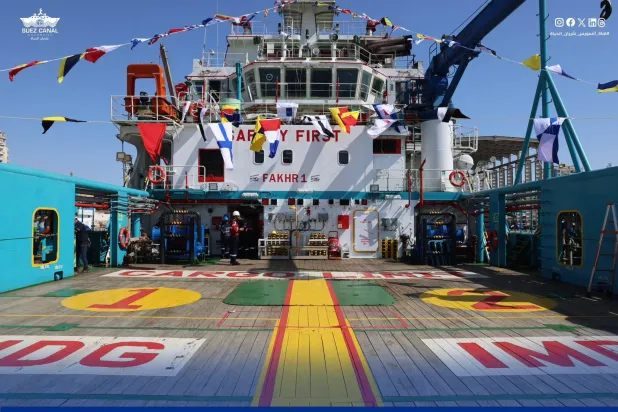
The Egyptian government aims to increase natural gas production in the Mediterranean region to meet local market needs (Suez Canal Authority)
MP Mohamed Fouad had called for a 'comprehensive review of policies to attract investments and contracting mechanisms with partners, and accelerating the development of discoveries, while enhancing transparency in announcing production and import data to allow performance evaluation based on clear and measurable indicators.' He explained that 'evaluating the performance of the energy sector should be based on actual results on the ground, not on statements or announced plans.' Fouad stressed that 'the decline in domestic production and the rising energy bill represent an economic challenge that requires reviewing current policies.'
The government aims to increase natural gas production in the Mediterranean region to meet local market needs, according to previous statements by the oil minister. The expansion of gas production is linked to government efforts to deal with the effects of regional tensions on the country's energy and fuel needs.
Meanwhile, Al-Nahas believes that 'the decline in production increases the import bill and affects many industrial sectors that rely on gas for their operations.'
Original source: Asharq Al-Awsat
Comments (0)
Be the first to comment.