Does Oil Alone Set the Price of Gasoline?
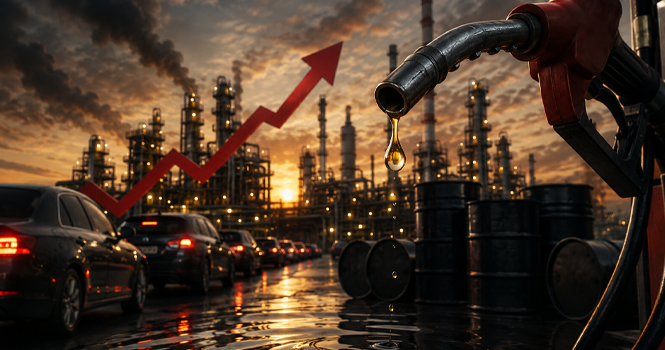
The price of a gallon of gasoline in the United States has again exceeded the $4 threshold, but the surprise is that the real engine of this rise is no longer crude oil, but the intermediate link that turns it into fuel: refineries. The world is gradually discovering that ensuring the availability of crude oil supplies does not mean fuel is available, and that the weakest link in the energy chain has become refineries, which have the ability to convert crude into gasoline, diesel, and jet fuel that feeds the arteries of the global economy. Why did gasoline rise despite the decline in oil prices? Crude oil prices fell sharply from…
Does oil alone determine the price of gasoline?
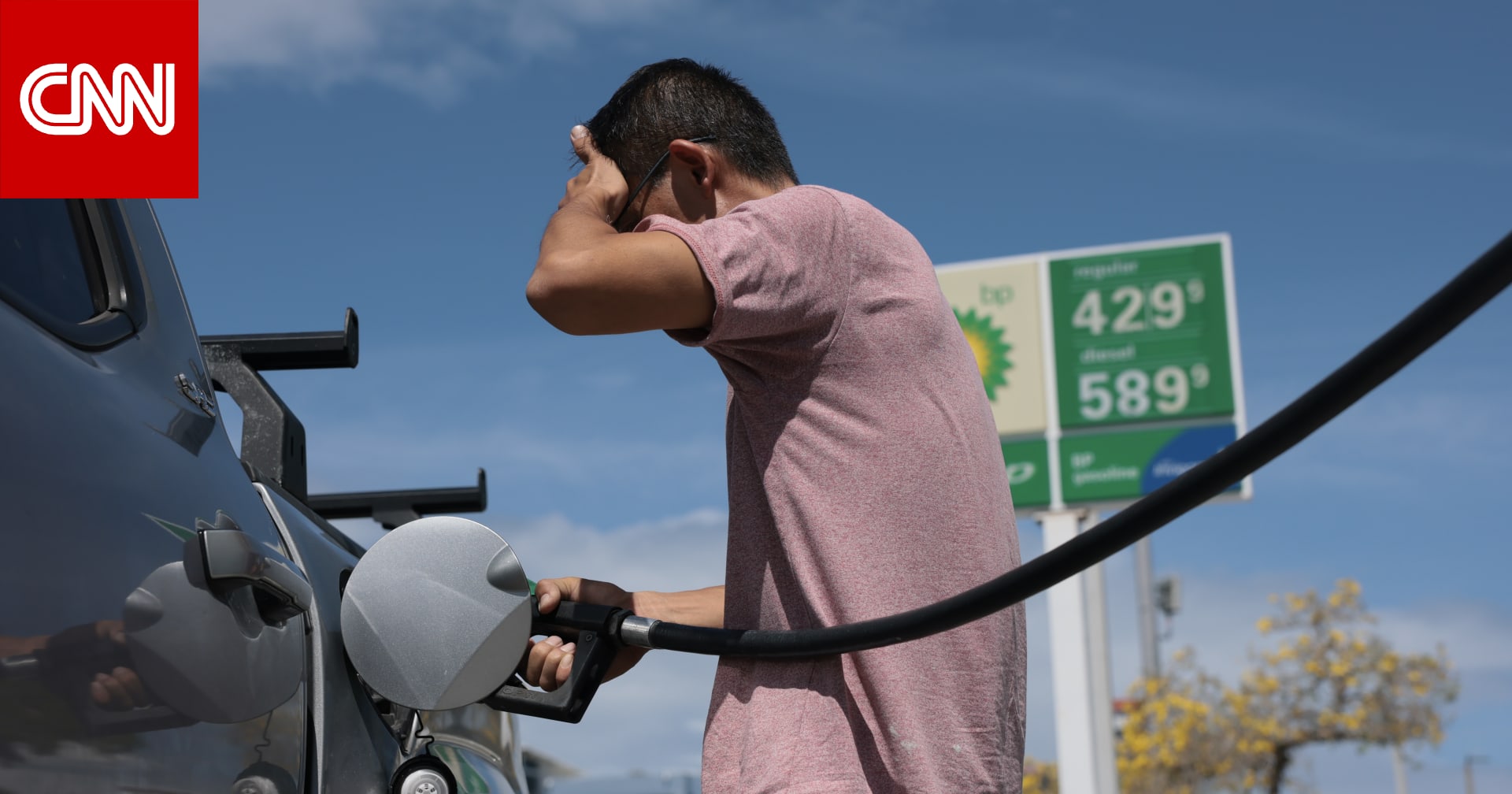
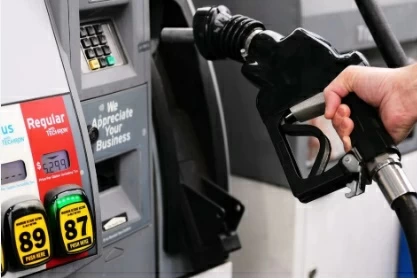
The price of a gallon of gasoline in America has again crossed the $4 barrier, but the main driver of this jump is no longer crude oil, but rather the intermediary that converts it into fuel: refineries.
This shift emerges amid geopolitical tensions that have affected refineries more than oil production itself.
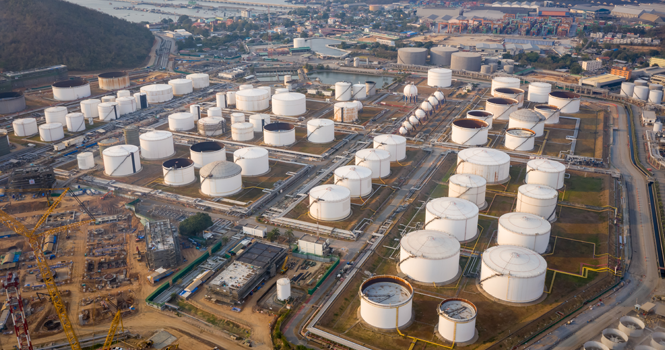
The world is gradually discovering that ensuring the availability of crude oil supplies does not mean fuel availability, and that the weakest link in the energy chain has become refineries, which have the capability to convert crude into gasoline, diesel, and jet fuel that feed the arteries of the global economy.
Why did gasoline rise despite the decline in oil prices?
Crude oil prices fell sharply from their peak of $118 per barrel during the height of the current conflict in the Middle East, trading today below $90, yet the price of gasoline in the United States remained high.
The reason is that oil prices have gradually decoupled from fuel markets; the obstacle is no longer the abundance of barrels but their conversion into usable gasoline and diesel. While crude supplies have partially improved thanks to heavy drawdowns from strategic inventories, refining capacity has remained low.
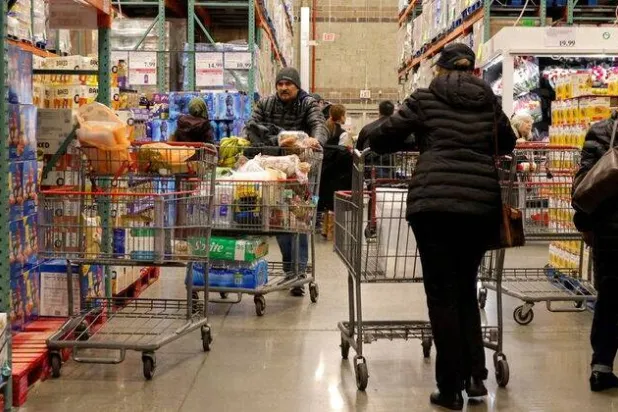
Compounding the crisis is the inelasticity of gasoline demand; drivers cannot quickly reduce consumption, so demand remains high even as prices rise.
Refining Sector Crisis
Gasoline is extracted from crude oil, then the final product is transported to local stations via pipelines and stored until tanker trucks arrive to deliver it to local fuel stations.
Crude oil prices account for about 51% of the cost of a gallon of gasoline, making it the most important factor in determining fuel prices, while refining, taxes, distribution, and marketing cover the rest.
The war between the United States and Iran has disrupted the global refining sector more than it has affected oil production itself, as operations at many refineries in the Middle East have stopped or shrunk.
China, which absorbed part of the oil market shock by reducing crude imports, also cut its exports of gasoline and diesel, depriving the global market of a major source of refined fuel. This is in addition to the disruption of more than a quarter of Russian refining capacity due to Ukrainian attacks.
As a result, global refinery production has fallen by about five million barrels per day compared to the same period last year, averaging 78 million barrels per day in the second quarter of this year, in one of the biggest refining shocks in recent years.
Record Refining Margins
Refining margins, or 'crack spreads,' are defined as the difference between the value of refined petroleum products and the price of the crude oil used to produce them. The crisis is clearly visible in what is known as the 3-2-1 crack spread, which measures the profit margin from converting three barrels of oil into two barrels of gasoline and one barrel of diesel.
This indicator has jumped in the United States to about $70 per barrel, while refining margins in Northwest Europe approached $30, and European diesel margins reached about $65 per barrel—historical levels reflecting a scarcity of refined fuel rather than a scarcity of oil itself.
In the United States, the contribution of refining to the cost of a gallon of gasoline has risen to 21%, compared to an average of 15% over the past decade, granting companies like Valero and Phillips 66 exceptional profits, while fuel station profits remained limited to about 30 to 35 cents per gallon.
Is There a Quick Solution?
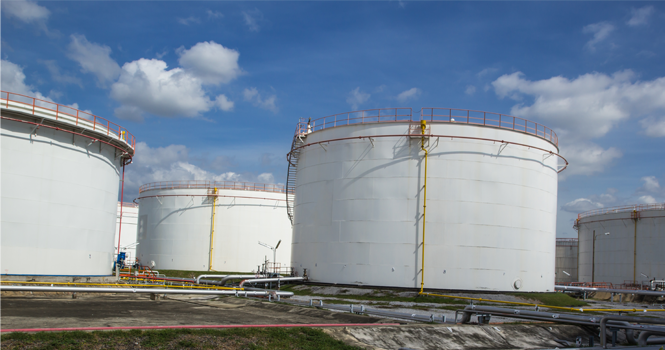
The problem is that increasing oil production does not mean increasing fuel production; building a new refinery takes years and massive investments, and most existing refineries are already operating near maximum capacity, with maintenance deferred, which raises the likelihood of sudden breakdowns and increases market volatility.
Moreover, pumping more oil from strategic reserves will not solve the crisis if sufficient refining capacity is unavailable to process it, which explains why the Trump administration's ability to control gasoline prices appears limited, even though reducing fuel prices is one of its main political goals.
This comes at a time when global gasoline and diesel inventories are approaching multi-year lows, with U.S. stocks falling to historic levels, while fuel demand remains strong.
Therefore, even if geopolitical tensions ease or navigation fully resumes through the Strait of Hormuz, gasoline prices are unlikely to drop quickly, because restarting refineries and restoring their production capacity takes much longer than resuming oil flows.
Ultimately, the current crisis has shown that the world does not suffer from a shortage of oil so much as a shortage of the ability to convert it into fuel. And between the oil field and the fuel station, refineries have become the link that determines the price of energy today more than the barrel itself.
Sources: Argaam – Barron's – U.S. Energy Information Administration – International Energy Agency – The Wall Street Journal – The Conversation – Bloomberg – OilPrice.com
Economic Events and Issues
Economic Investigations
Oil and Energy
{{displayname}}
{{profession}}
{{followercount}}
{{aboutme}}
Given that gasoline demand is inelastic, prices are likely to remain high even as crude falls. The world needs to increase its refining capacity to avoid such crises in the future. The greatest impact remains on consumers, who bear the brunt of this refining gap.
Original source: Argaam
Comments (0)
Be the first to comment.