Effective Planning in the Non-Oil Sector

The national economy continues to grow, driven by several factors that enhance its productive and service capacity across various sectors. Perhaps the most notable feature of this growth is the sectoral balance, which reflects the effectiveness and sustainability of economic planning and boosts its competitiveness amid economic changes. This approach also contributes to facing challenges and building integrated development systems through projects, programs, and initiatives that support planning and make its implementation smoother and more flexible.
Related News
In administrative rules, it is said that failure to plan is planning for failure. However, when planning is successful, based on an objective reading of variables, and open to economic horizons and realistic expectations, its fruits are active and advanced sectors that possess the tools to achieve their goals. This is what we have witnessed recently with the growth of many sectors and their enhanced ability to maintain positive performance.
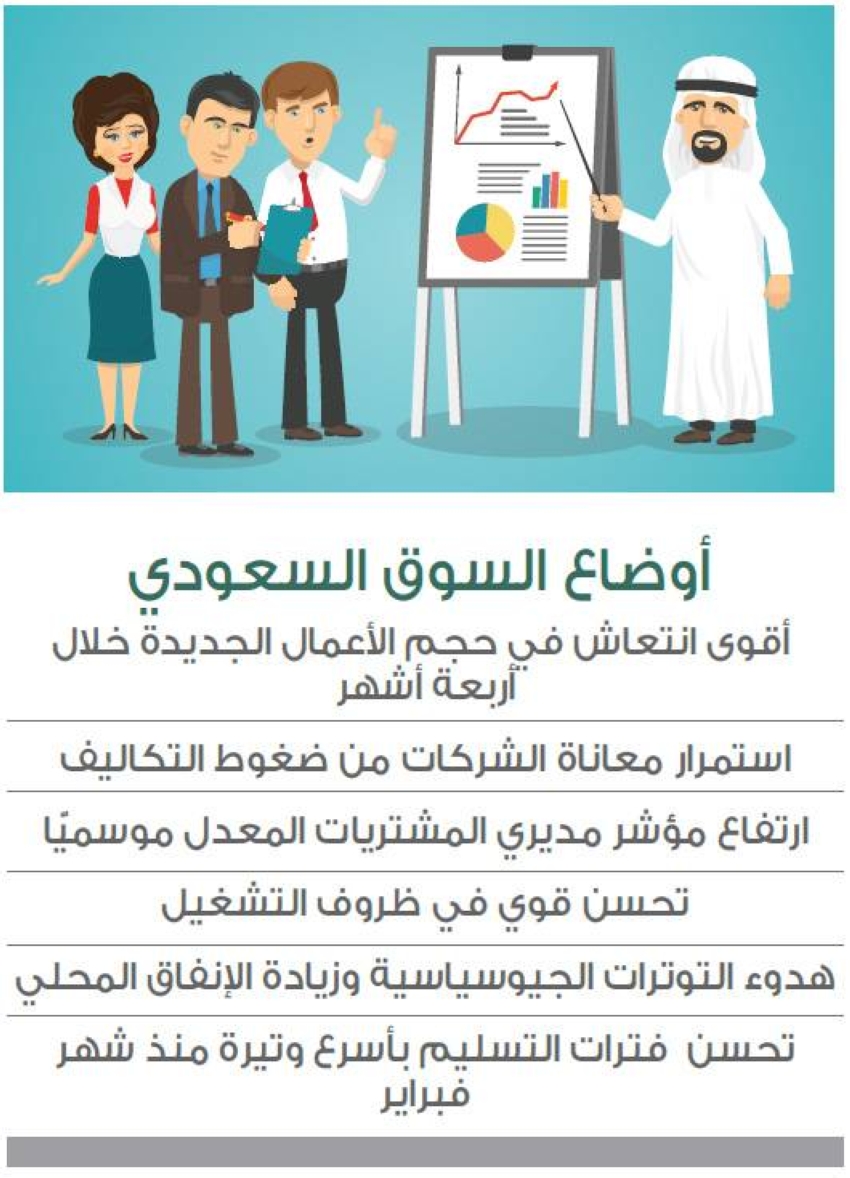
In the Kingdom, the non-oil private sector successfully accelerated its growth pace last June, supported by the strongest revival in new business volumes in four months, according to the latest economic survey. The seasonally adjusted Purchasing Managers' Index (PMI), issued by Riyad Bank, rose to 53.3 points in June, compared to 52.8 points in May, recording its highest reading in four months. These indicators reflect the continued achievement of promising growth rates in operational and productive activities.
The current phase also witnesses the launch of new projects, accompanied by a rise in customer demand, along with an acceleration in the pace of new business. This enhances investment and capital flows, supports competitive attractiveness, and raises the efficiency of operational, productive, and service processes in the non-oil sector, thereby increasing its contribution to the GDP.
The high growth rates of the non-oil private sector represent an important factor in supporting national development and boosting the growth of the Saudi economy, as it comprises diverse sectors capable of achieving added value, absorbing national competencies, and contributing to localization efforts, thereby supporting the development path and enhancing opportunities for sustainable [email protected]
Original source: Al-Yaum




Comments (0)
Be the first to comment.