Electronic Trading: Easier Management of Financial Assets
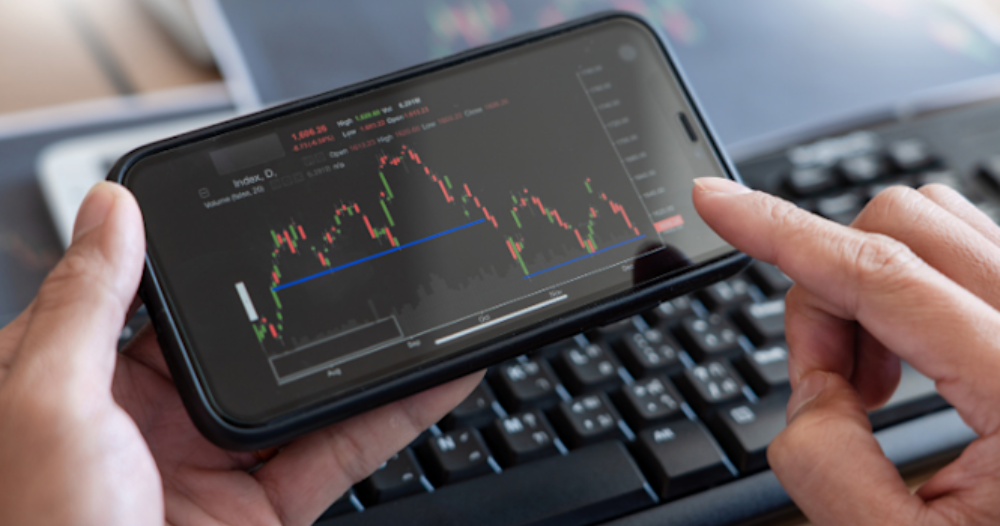
Electronic Trading: Easier Management of Financial Assets
Dematerialization (DEMAT) is one of the most prominent digital transformations in the financial world, as it represents the transition from the traditional paper-based system of stock trading to a fully electronic system where securities are managed digitally without the need for paper certificates.
At a time when financial transactions relied on paper trading and manual registration, the dematerialization process brought a real revolution in the way financial assets are managed, making buying, selling, and holding operations faster, safer, and more transparent.
Definition of "Dematerialization"
The concept of dematerialization refers to converting paper stock certificates into electronic records, so that securities are stored and traded digitally through special accounts known as DEMAT accounts, which are mandatory at financial institutions for executing modern trading operations.
This transformation is considered one of the most important stages of modernizing financial markets, as trading is no longer limited to stocks only, but also includes bonds, mutual funds, and government securities.
The result: reduced errors, lower costs, and faster real-time settlement of financial transactions.
Mechanism of Dematerialization
With the development of computing systems and the establishment of central depositories such as the Depository Trust Company, there is no longer a need to keep physical certificates for securities, as they can now be fully registered and transferred electronically.
In the past, buying and selling operations on stock exchanges were carried out by shouting among traders, and recorded on papers that were later reviewed after market close to complete registration. Today, thanks to dematerialization, this paper burden has been completely eliminated.
Advantages of Dematerialization for Investors
DEMAT accounts provide an integrated digital mechanism for executing buying and selling operations, and hold investors' securities electronically to facilitate fast and accurate trading.
The new system has eliminated previous paper complexities, and allows instant updating of accounts as soon as a transaction is executed. Moreover, this system is not limited to stocks but also includes bonds and government and private investment funds.
Using a DEMAT account is likened to managing money through a bank account; assets are transferred digitally without the need to carry or deliver paper documents in each transaction. For example, when using a debit card in stores, the amount is deducted directly from the account, and the process is recorded electronically — this is exactly what happens in securities trading through this system.
Steps to Transfer to the Electronic System
Typically, an investor who holds paper certificates delivers them to a financial broker or depository institution, which in turn issues an electronic confirmation proving ownership, enabling the investor to start electronic trading.
Some assets, such as stocks listed on exchanges, require mandatory possession of a DEMAT account to complete buying and selling operations, as trades are currently executed exclusively through electronic systems and not by paper means.
Security and Reliability
Brokerage firms or financial institutions maintain electronic records of transactions and assets, ensuring data accuracy and easy access.
This system is more secure compared to holding paper certificates that may be damaged or lost. It also helps accelerate the settlement cycle and reduces the likelihood of human error resulting from paper transactions, in addition to saving costs associated with manual processing.
Thus, dematerialization is a fundamental step in modernizing financial markets, where paper certificates have been replaced with secure electronic records, making financial trading more efficient, faster, and more reliable.
Source: Investopedia
The World of Investment and Stock Exchange
{{displayname}}
{{profession}}
{{followercount}}
{{aboutme}}
Original source: Argaam
Comments (0)
Be the first to comment.