Escalation between Washington and Tehran Threatens Oil Market Surplus in 2027
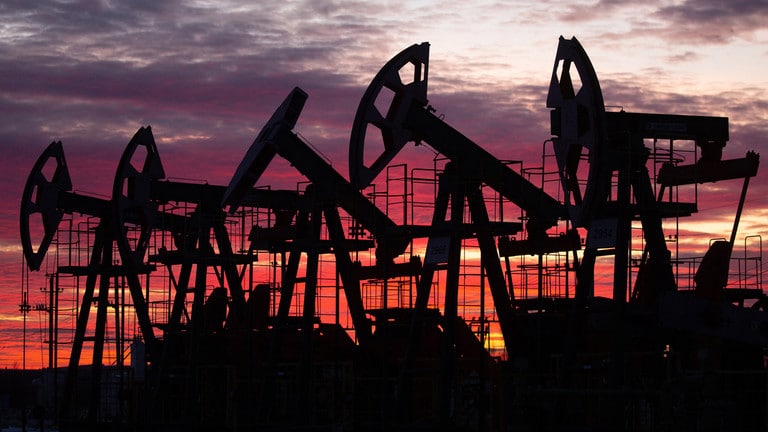
The International Energy Agency warns that recent US-Iran tensions could undermine expectations of an oil surplus next year, as concerns over Strait of Hormuz stability persist.
The International Energy Agency warned that the recent escalation in confrontations between the United States and Iran could undermine its expectations of a global oil market surplus next year, amid continued concerns over the stability of supplies through the Strait of Hormuz.
The agency stated in a report released on Friday that oil markets benefited in June from the reopening of the Strait of Hormuz following a temporary ceasefire agreement between the United States and Iran, which helped resume shipping after a period of widespread disruption to crude flows through one of the world's most important oil corridors.
It added that global supplies rose by about 4.1 million barrels per day in June, but remained roughly 9.4 million barrels per day below pre-war levels, reflecting the continued impact of disruptions on the market.
The International Energy Agency projected global supply growth of about 7.5 million barrels per day over the next year, but stressed that this scenario remains contingent on continued improvement in oil tanker traffic through the Strait of Hormuz.
The agency noted that the escalation of hostilities on July 7 and 8 raises doubts about these forecasts and could limit the chances of the market turning to a supply surplus next year, if tensions continue to affect navigation and global oil supplies.
Original source: Al-Mowaten


Comments (0)
Be the first to comment.