European jet fuel stocks at lowest level
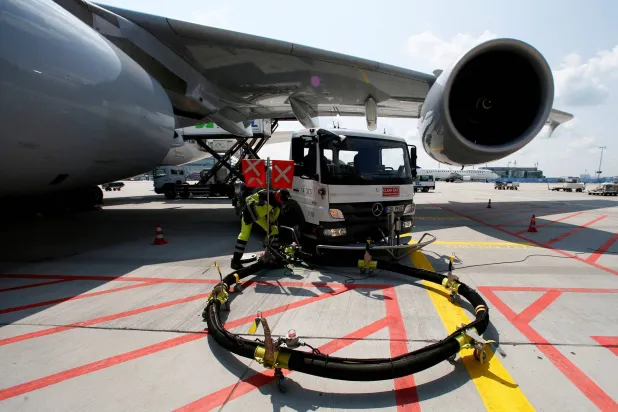
Europe imported jet fuel from the United States and Asia, increased refinery output, and tapped its stocks to keep aviation moving. However, it remains the most vulnerable region as renewed tensions in the Middle East raise the likelihood of further supply disruptions.
The danger particularly surrounds Britain, France and Germany, in a continent where decades of refinery closures have made it more dependent than others on Middle East shipments passing through the Strait of Hormuz, according to Reuters.
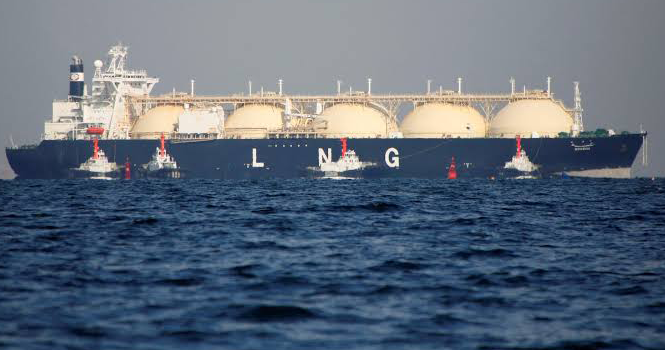
The strait was partially reopened in June after the United States and Iran agreed to a ceasefire. The strait had been a passage for about a fifth of global oil and liquefied natural gas shipments until the war on Iran erupted with U.S. and Israeli strikes at the end of February. But the two sides resumed strikes this month.
Data from consultancy Energy Aspects, released on June 18, forecast a supply deficit in Europe of about 600,000 barrels per day in the third quarter, compared with a surplus of 116,000 bpd in the United States and 425,000 bpd in Asia-Pacific.
Energy Aspects said stocks stood at 38 million barrels at the start of June, compared with 99 million barrels in the United States. Reuters calculations indicate that Europe's stocks would cover demand for less than 30 days, making them the leanest among major jet fuel markets.
The latest available data from the International Energy Agency's most recent monthly report showed that jet fuel stocks temporarily rose 10% year-on-year at the end of May, while refinery output increased 30%. These figures also indicate a time margin of no more than one month.
Janiv Shah, an analyst at Rystad, said: 'We still expect some supply shortages until August if this pace continues.'
The European Commission acknowledged that the situation could worsen.
EU Energy Commissioner Dan Jorgensen said in June that the bloc faces a shortage of jet fuel stocks as the summer holiday season draws to a close, and that Brussels will coordinate withdrawals from national reserves if necessary.
Shipments from Canada and South Korea
Until the outbreak of war on February 28, Europe relied on the Middle East for about half of its jet fuel imports.
In March, analysts predicted that African countries, which imported most of their jet fuel from the Middle East, would be the hardest hit.
However, these countries managed to increase imports from Nigeria's Dangote refinery, as well as from India and Oman, according to data from commodity intelligence firm Kpler.
Meanwhile, Europe has so far managed to avoid running out of supplies by turning to new exporters such as Canada.
Kpler data showed that Europe imported a total of 673,000 barrels per day of jet fuel in June, the highest level since October 2025.
The United States and Nigeria were the largest exporters to Europe, with Kuwait, Canada, India and South Korea also supplying shipments.
Imports from India in June reached their highest since February, and nearly 25,000 barrels per day of Kuwaiti fuel are scheduled to arrive in August, for the first time since early March, via ship-to-ship transfers.
Before the flows stopped, Kuwait was one of the largest suppliers of jet fuel to the region.
Italian refineries increased jet fuel production by 10% in the first four months of the year.
The country's imports fell 6%, allowing domestic output to meet nearly 70% of demand in March and April, according to the Italian Fuel Producers Association.
Industry sources said Eni, which accounts for about half of Italy's jet fuel production capacity, boosted its output by importing products from outside Europe.
Meanwhile, jet fuel prices in Northwest Europe fell to around $133.27 per barrel from $215.32 at the end of March, easing pressure on airlines. Fuel typically accounts for between 20% and 25% of operating costs.
Analysts rule out immediate cuts in airfares due to strong demand and limited capacity, especially after many airlines reduced flights to maximize fuel supplies.
Original source: Asharq Al-Awsat



Comments (0)
Be the first to comment.