"Fed Minutes" Show Consensus to Hold Interest Rates Steady and Rule Out Easing Bias
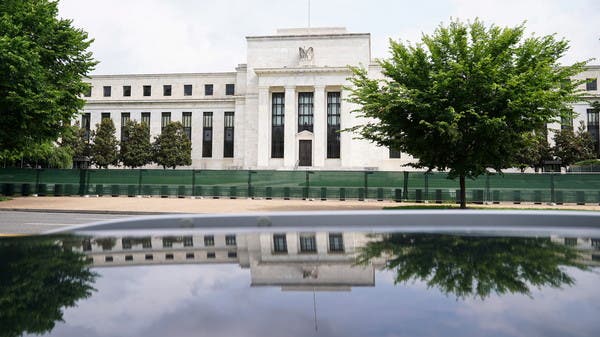
The minutes of the US Federal Reserve's June meeting showed growing concern within the central bank over persistent inflationary pressures, despite the decision to keep interest rates unchanged at a range of 3.5% to 3.75%.
The minutes revealed that several officials saw justifications for raising rates, but ultimately supported the decision to hold steady, while concerns related to the labor market eased slightly.
Policymakers indicated that the risks of higher inflation remain elevated, particularly with rising energy prices, geopolitical tensions in the Middle East, tariffs, as well as strong demand related to artificial intelligence.
The new projections showed that 9 members expect at least one rate hike of 25 basis points this year, while 6 expect at least two hikes, compared to 9 others who expect no movement or a rate cut.
The upcoming June inflation data, scheduled for release on July 14, becomes increasingly important as it will help determine whether the Fed will continue to hold steady or move toward tightening monetary policy again in the coming period.
The Federal Reserve is scheduled to hold its next meeting on July 28-29, 2026, as markets await any change in the monetary policy path amid continued assessment of inflation and economic growth developments.
Inflation Accelerates
A review by Federal Reserve staff showed that inflation continued to rise in recent months, driven by higher energy prices and supply chain disruptions resulting from tensions in the Middle East, along with the pass-through of previous tariffs and increased demand linked to massive investments in artificial intelligence.
The annual inflation rate according to the Personal Consumption Expenditures (PCE) index reached 3.8% in April, while core inflation, which excludes food and energy, registered 3.3%.
Federal Reserve teams also estimated that inflation rose to 4.1% in May, while core inflation increased to 3.4%, driven by higher energy prices for consumers.
The minutes indicated that price pressures have become more widespread, including air transportation, petrochemical products, and agricultural production inputs, while services inflation excluding housing remained at elevated levels.
In their economic forecasts, Federal Reserve staff projected that inflation will remain high for the remainder of this year before beginning to gradually decline during 2027, reaching around 2% by 2028, as the effects of tariffs fade and temporary price pressures subside.
US Economy Maintains Momentum
The minutes confirmed that the US economy continued to expand at a strong pace in the second quarter, supported by resilient consumer spending and capital investments, especially in artificial intelligence projects.
It noted that spending on data centers, advanced technical equipment, and software continued to support real investment, while April data showed continued strength in high-tech goods exports and imports alongside a jump in energy exports.
Despite lowering their GDP growth forecasts compared to the April meeting projections, Fed staff expected the economy to continue growing near its potential rate this year, with a slight acceleration over the next two years supported by higher productivity and continued AI-related investments.
Labor Market Stable Despite Slowing Hiring Dynamics
The minutes showed that the labor market remains cohesive, with the unemployment rate stabilizing at 4.3% in May, little changed from a year earlier.
Nonfarm payrolls continued to grow at a strong pace in the three months through May, while average hourly earnings rose 3.4% year-on-year, down half a percentage point from a year earlier.
Most committee members viewed that the labor market is no longer a major source of inflationary pressures, although some noted a slowdown in job-finding rates and declining labor market dynamism.
Markets React to Declining Middle East Risks
The manager of open market operations noted that asset prices were influenced by a range of factors, most notably developments in the Middle East conflict, strong economic data, and continued investments in artificial intelligence.
He explained that optimism about a near-term resolution to the conflict, following the announcement of a memorandum of understanding between the United States and Iran, led to a notable decline in oil futures prices and short-term inflation expectations.
In contrast, US Treasury yields, the dollar, and stock markets rose, with the S&P 500 index climbing about 6% between the meetings, led by technology stocks, supported by improved corporate earnings expectations.
The yield on the 10-year US Treasury note also rose by about 20 basis points since the April meeting, and by about 50 basis points since the outbreak of tensions in the Middle East.
No Rate Cut Before 2027
The minutes showed that market participants widely expected interest rates to be held steady at the June meeting.
According to a survey by the Open Market Operations desk, the most likely scenario points to keeping interest rates unchanged until early 2027, followed by one cut in the second quarter of that year.
In contrast, market pricing reflected the possibility of one rate hike in mid-2027, although Fed officials indicated that these expectations may be influenced by the rising term premium on bonds.
Fed: Future Moves Data-Dependent
All committee members affirmed their support for keeping interest rates unchanged at the meeting, acknowledging that economic activity remains strong and the labor market stable, while inflation remains above target.
The minutes revealed that a limited number of members saw that current data might justify raising interest rates, but they supported maintaining the current policy at this stage.
Regarding the future path, members discussed several scenarios: if inflationary pressures gradually subside, it may become appropriate to hold rates steady or cut later, while persistently high inflation, due to continued strong AI-related demand or the repercussions of tariffs and geopolitical tensions, may warrant further monetary policy tightening.
Participants stressed at the conclusion of the meeting that any future decisions will remain dependent on incoming economic data, reaffirming the Federal Reserve's commitment to achieving its dual objectives of price stability and maximum employment.
Global Economy Faces Increasing Pressures
The minutes reported that global economic growth slowed in the first quarter, particularly in Canada, the euro area, and Mexico, while advanced Asian economies continued to post strong growth supported by technology exports.
It noted that the rise in energy prices resulting from Middle East disruptions led to higher inflation rates in Europe and Asia, prompting several central banks, led by the European Central Bank, to raise interest rates or signal a slowdown in the pace of monetary easing.
Financial Markets Continue to Hold Up
Original source: Al Arabiya





Comments (0)
Be the first to comment.