GCC Inflation Stabilizes at 1.8% in 2025

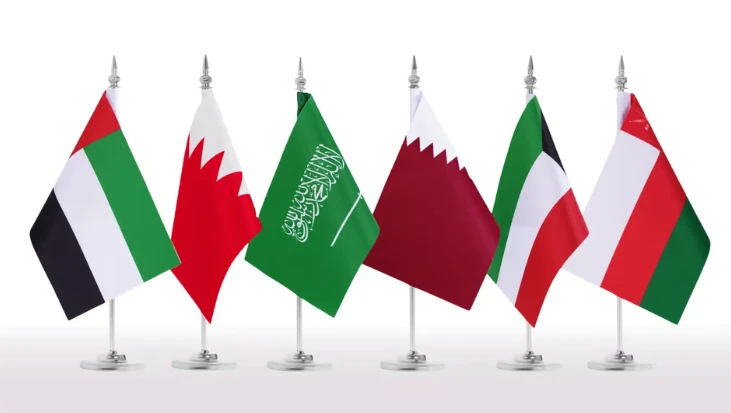
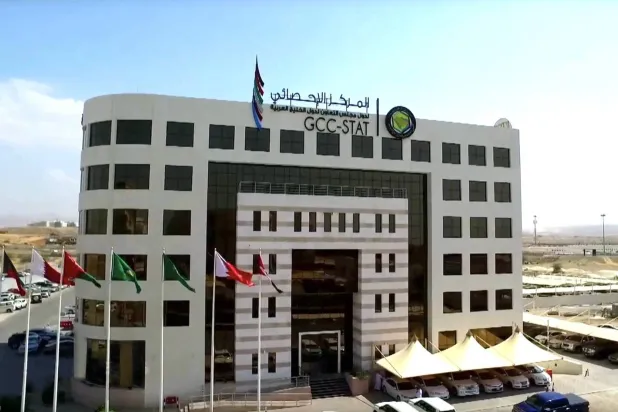
A report by the Statistical Center for the Cooperation Council for the Arab States of the Gulf on inflation rates for 2025 showed continued price stability in the GCC countries, with the general inflation rate reaching 1.8% compared to 1.6% in 2024, remaining below the 2% level for the second consecutive year, an indicator reflecting the success of economic policies in containing inflationary pressures and maintaining price stability.
The report explained that the GCC inflation rate is among the lowest globally, being lower than the inflation rate in emerging and developing economies at 5.3%, the global average at 4.2%, Japan at 3.2%, the United States at 2.6%, the European Union and advanced economies at 2.5% each, and the Eurozone at 2.1%.
The report indicated that inflation rates among GCC countries were close, with the housing, miscellaneous goods and services groups forming the main driver of GCC inflation during 2025, contributing together about 73% of the general inflation.
At the level of the main groups composing the consumer price index in GCC countries, the miscellaneous goods and services group topped inflation rates at 5.4%, followed by the housing group at 4.0%, then the culture and entertainment group at 2.0%, the restaurants and hotels group at 1.6%, the food and beverages group at 1.2%, the education group at 1.0%, the tobacco group at 0.6%, the clothing and footwear group at 0.4%, while the health, communications, and furniture groups stabilized at 0.0%, and the transport group recorded a decline of -0.2%.
The report reviewed the development of GCC inflation during the period 2020–2025, explaining that it rose from 1.5% in 2020 to 2.4% in 2021, then peaked at 3.2% in 2022, before declining to 2.3% in 2023 and 1.6% in 2024, then slightly increasing to 1.8% in 2025, reflecting relative stability compared to global developments.
Regarding the main trading partners of the GCC countries, the report explained that inflation rates were ranked from highest to lowest as follows: Brazil 5.0%, the United Kingdom 3.9%, Japan 3.2%, India 2.8%, the United States 2.6%, Germany 2.2%, South Korea 2.1%, Italy 1.5%, and France 0.9%, while China recorded the lowest inflation rate at 0.0%.
The report noted that the global decline in food and beverage prices by 2.1% contributed to easing imported inflationary pressures, but the rise in natural gas prices by 15.2% and geopolitical tensions still represent risks that require monitoring.
The report concluded that the significant convergence of inflation rates among GCC countries and their stability below the 2% level provide a favorable ground for enhancing Gulf economic and monetary integration, granting countries fiscal space to continue economic reforms and development spending, while emphasizing the importance of unifying statistical methodologies and strengthening policy readiness to face any future external pressures.
Original source: Al-Riyadh


Comments (0)
Be the first to comment.