Global markets shaken by Trump's remarks... oil jumps and investors reassess
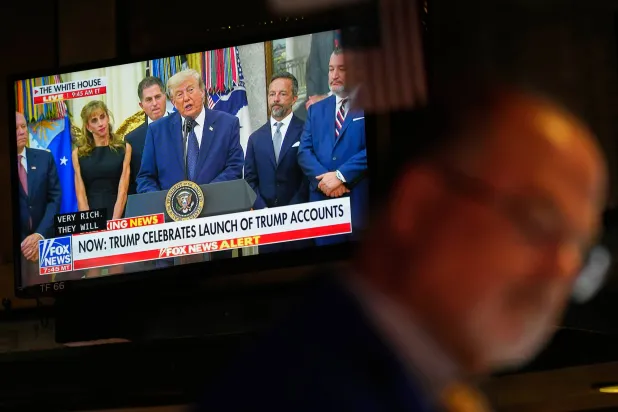
Global stocks fell on Wednesday while oil prices jumped to their highest in two weeks, after President Donald Trump announced the end of the US-Iran truce agreement.
The remarks of US President Donald Trump, in which he announced the end of the memorandum of understanding with Iran, shook global markets on Wednesday, driving oil prices to their largest daily gains since late May, while global stocks and precious metals fell as investors repriced the risks of a widening conflict in the Middle East and the resulting inflationary pressures.
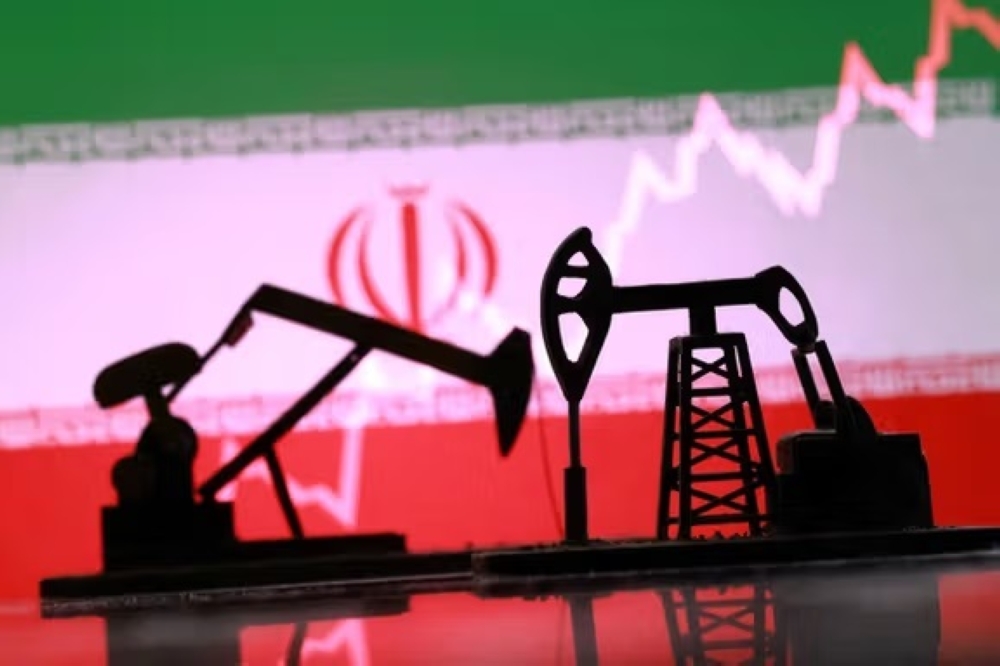
Brent crude surged more than 5 percent to around $78 a barrel, as investors saw the return of tensions threatening global energy supplies, especially with ongoing concerns about navigation through the Strait of Hormuz, through which about a fifth of global oil trade passes.
Trump's remarks came ahead of the NATO summit in Ankara, after he said that the memorandum of understanding signed with Iran to end the conflict had become 'void,' adding that he does not wish to continue dealing with Tehran. This followed a new round of US strikes on Iran and the cancellation of the waiver that had allowed the sale of Iranian oil.
The jump in oil prices raised fears of a return of inflationary pressures, prompting investors to sell bonds. The yield on 10-year US Treasury notes rose to 4.56 percent, the highest in a month. German and Italian bond yields also climbed to their highest levels in the same period.
Chris Beauchamp, chief market strategist at IG, said markets 'did not want this scenario, as it puts significant pressure on risk appetite.'
Global stocks under pressure
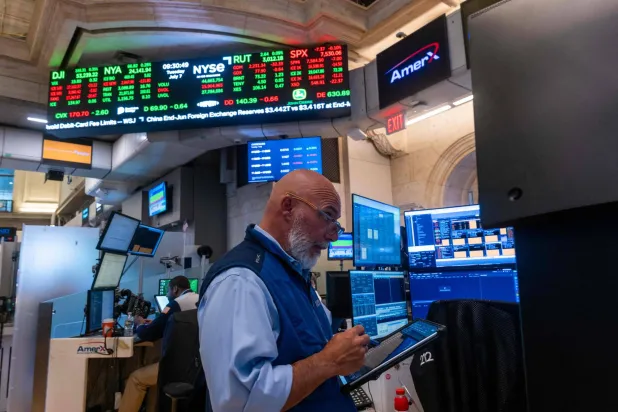
This shift quickly reflected in stock markets; the European Stoxx 600 index fell about 1.6 percent, heading for its biggest daily loss since mid-March, while futures for the S&P 500, Nasdaq 100, and Dow Jones dropped between 0.8 and 1.2 percent.
The VIX volatility index surged about 13 percent, its biggest daily rise in over a month, as investors increasingly turned to hedging instruments.
In Asia, South Korea's Kospi index extended losses, impacted by continued sell-offs in semiconductor stocks, while Samsung Electronics shares fell for a second consecutive day despite the company reporting a big jump in profits, amid investor concerns over slowing demand for AI chips in the second half of the year.
Analysts believe investors have started reassessing the price levels of AI company stocks, as supply chain bottlenecks ease and capital expenditure rises, which could limit share buyback programs and pressure valuations.
Why did gold fall?
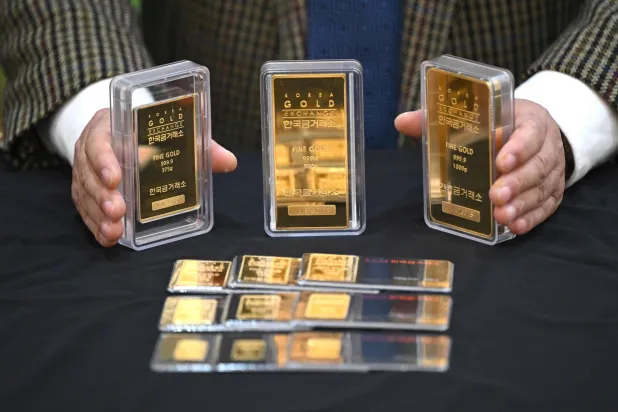
Contrary to what usually happens during geopolitical crises, gold fell despite escalating tensions; spot gold dropped more than 1 percent to around $4,064 an ounce, while US gold futures declined about 2 percent.
Silver fell more than 2 percent to around $58.6 an ounce, platinum dropped about 3 percent, and palladium lost nearly 4 percent.
Analysts attribute this decline to the rise in oil prices boosting expectations of higher inflation and continued high US interest rates for longer, which reduces gold's appeal as a non-yielding asset.
Giovanni Staunovo, analyst at UBS, said gold may remain in a sideways trading range in the near term, noting that its rise requires weaker US labor market and inflation data that would push the Federal Reserve to adopt a less hawkish stance.
Investors are also awaiting the release of the Federal Reserve's June meeting minutes for clues on the monetary policy path in the coming months, as market bets on a rate hike in September rose to 66 percent.
In contrast, Chinese data showed continued strengthening of gold reserves, after the central bank recorded its largest monthly increase in purchases in over two and a half years in June, indicating sustained official demand for the precious metal despite falling prices.
Original source: Asharq Al-Awsat

Comments (0)
Be the first to comment.