Guardians of the Strait: Can Trump Profit from Tolling Hormuz Passage?
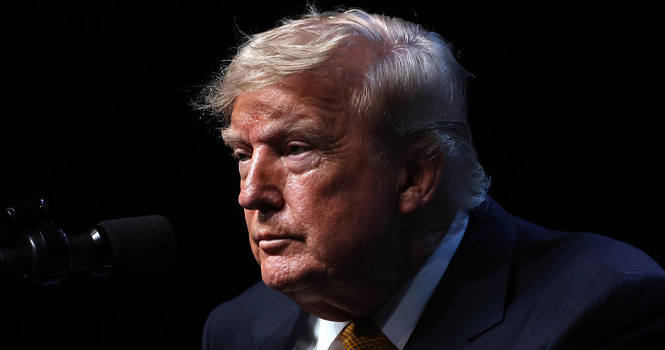
In a scene that redraws the rules of the game in one of the world's most sensitive waterways, US President Donald Trump made a statement that seemed surprising at first glance, announcing that his country would impose a 20% fee on all shipments transiting the Strait of Hormuz, in exchange for Washington assuming the role of "guardian of the strait." The irony is that this proposal contradicts the stance of Trump himself and his administration officials, who have long advocated for freedom of international navigation without fees. So will the strait become a source of US income or a spark for a new crisis? From protecting the strait to collecting passage fees, Trump's statement means...
Guardians of the Strait: Can Trump Profit from Tolling Hormuz Passage?
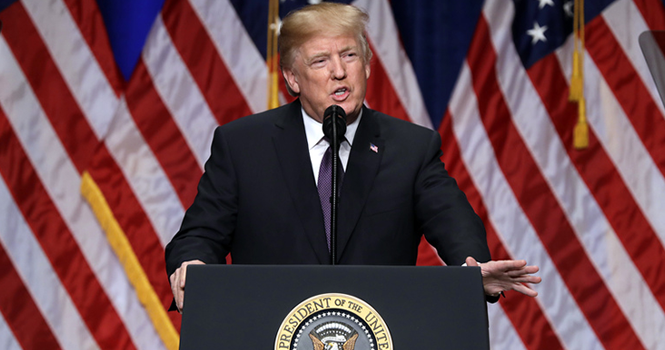
In a scene that redraws the rules of the game in one of the world's most sensitive waterways, US President Donald Trump made a statement that seemed surprising at first glance, announcing that his country would impose a 20% fee on all shipments transiting the Strait of Hormuz, in exchange for Washington assuming the role of "guardian of the strait."
The irony is that this proposal contradicts the stance of Trump himself and his administration officials, who have long advocated for freedom of international navigation without fees. So will the strait become a source of US income or a spark for a new crisis?
From protecting the strait to collecting passage fees
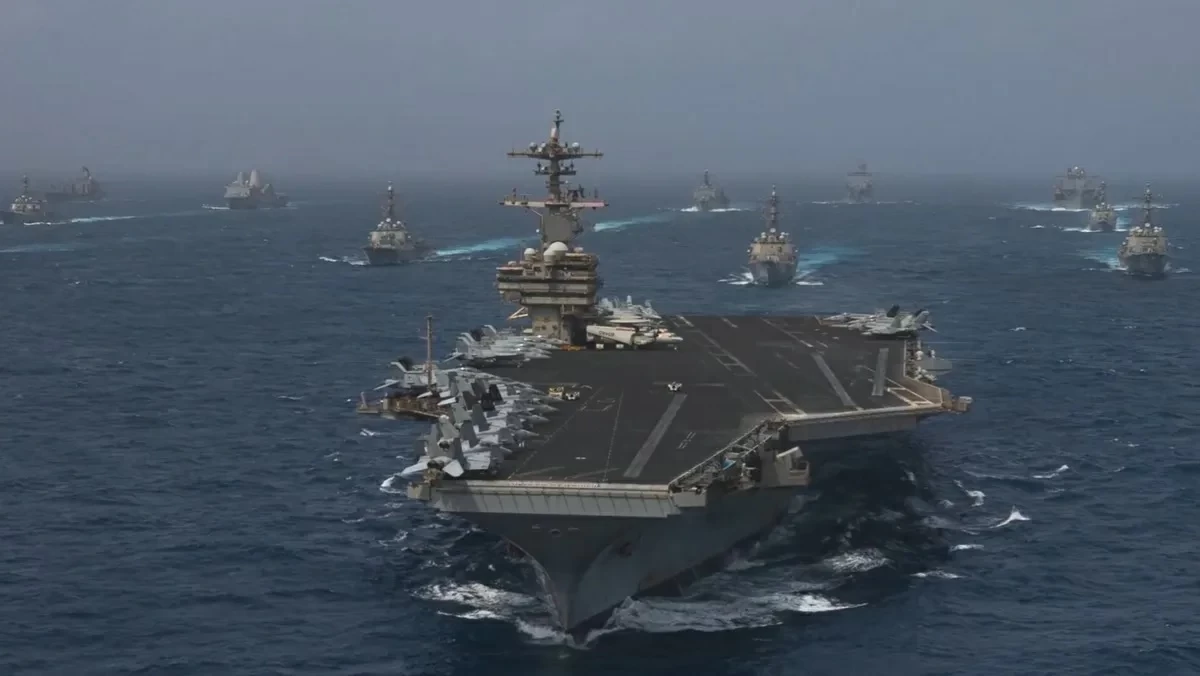
Trump's statement means that the United States will take on the protection of navigation in the Strait of Hormuz, in exchange for collecting fees from transiting commercial ships, while continuing to bar Iranian ships from passage.
This proposal marks a clear shift from the previous US position. In late June, Secretary of State Marco Rubio affirmed that international law does not permit any country to impose fees or taxes on international waterways, and Trump himself, in earlier statements, stressed the need to keep the strait open to all.
But the US president has now returned to justify his new position by saying that Washington bears the cost of securing navigation and therefore should receive compensation for this protection, and he no longer calls for a return to the pre-war situation, where the Strait of Hormuz remained a free international waterway.
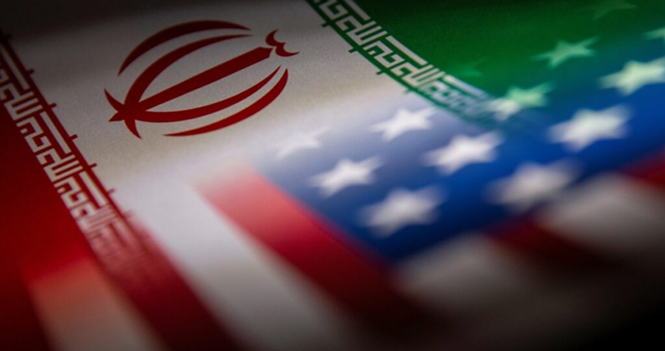
In response, Tehran mocked the statement, and Foreign Minister Abbas Araghchi said that Iran has been and still is the "guardian of the strait," adding that the 20% figure is "exaggerated," in a sign of the ongoing political struggle over who has the right to manage the waterway.
Higher Bills for Oil Shipping
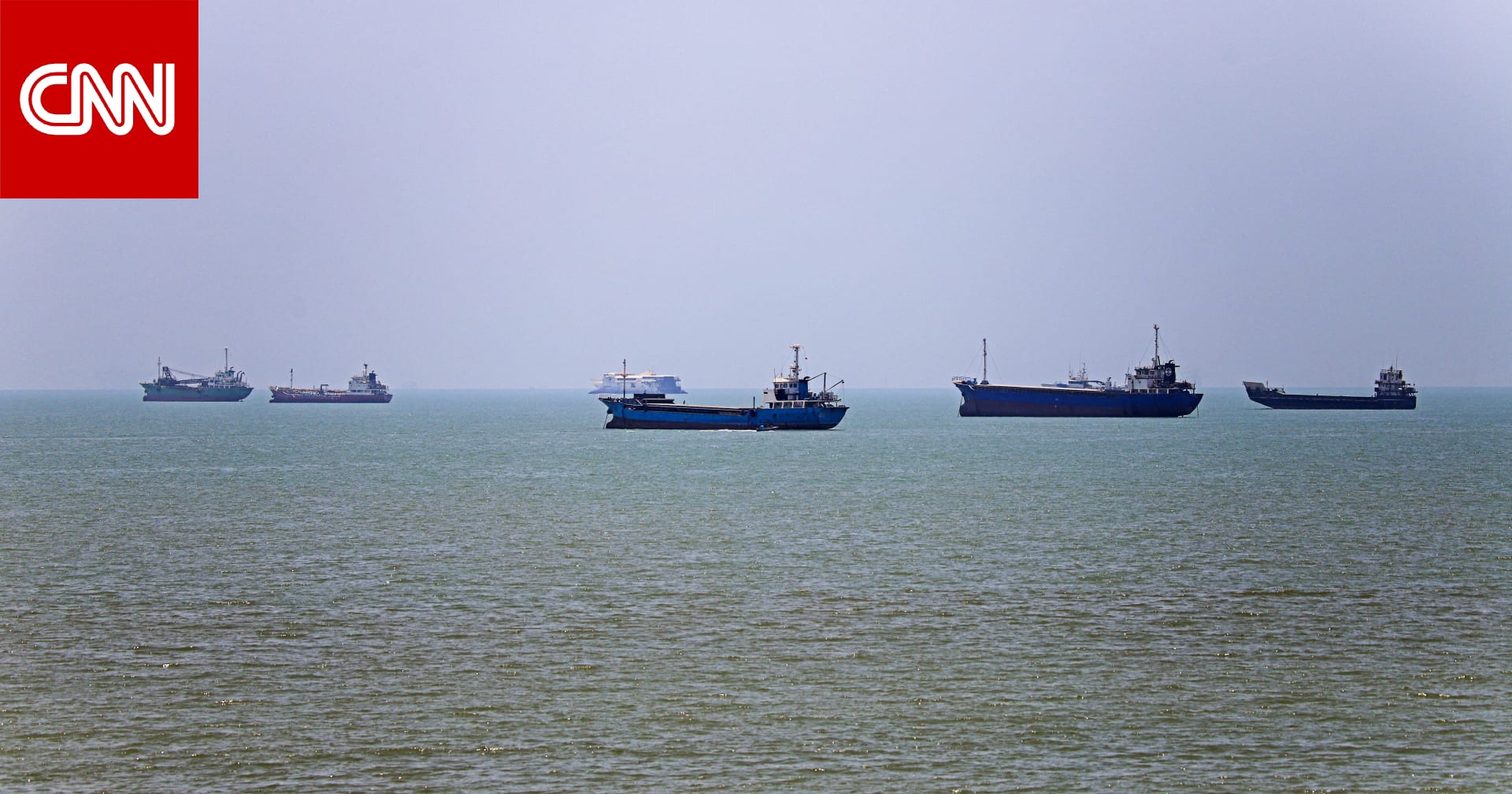
The White House did not clarify the exact mechanism for calculating the fees, but if imposed on the value of the cargo, the cost of transporting oil through the strait could double.
According to Rico Luman, senior logistics economist at ING Research, tankers charge about $10 per barrel to ship oil from the Gulf to Europe, and assuming a barrel price of $80, the fee could add another $16 per barrel, raising the total cost to $26.
For a large tanker carrying 2 million barrels, the additional bill could exceed $30 million, a burden that is likely to be partly borne by the end consumer.
Sources familiar with the matter told Bloomberg that the fees could add about $32 million to the cost of a very large crude carrier, a figure far exceeding the $2 million previously hinted at by Iran.
The repercussions do not stop at higher shipping costs. The cost of transit, combined with ongoing security tensions, may lead some insurance companies to refuse to cover ships passing through the strait, which could reduce tanker traffic and threaten global oil flows.
Analysts believe that shipping companies may find themselves facing two bitter choices: pay high fees for US protection, or bear greater security risks in one of the world's most sensitive maritime corridors.
At the same time, any new disruptions in Hormuz could undermine expectations of ample supply that markets have built into their estimates in recent months.
The Wall of International Law: International law guarantees the right of passage through international maritime straits without mandatory fees, except for consideration collected for specific services. The International Maritime Organization has expressed strong opposition to imposing any fees on transit, emphasizing that there is no legal basis for doing so.
In contrast, James Kraska, professor of maritime law, believes the idea might be compatible with the law if it remains voluntary, where shippers choose to pay or forgo it.
Herbjorn Hansson, CEO of Nordic American Tankers, did not hide his skepticism about the feasibility of imposing a 20% fee, calling on Washington and Tehran to agree on a joint mechanism to manage the strait, adding: "Iran is suffering, America is suffering, and 192 countries outside the Strait of Hormuz are also suffering."
Between Trump's desire to turn tension into a source of income, widespread legal and industrial rejection, and renewed Iranian escalation, the fate of this proposal remains tied to a complex equation of power, law, and intertwined interests. Can Washington actually succeed in imposing itself as a paid "guardian" of one of the world's most important oil passages, or will the proposal remain just another pressure card in a conflict that has yet to find an end?
Sources: Argaam - Bloomberg - CNBC - CNN - New York Times - Politico
Events and Economic Issues
Economic Investigations
War on Iran
{{displayname}}
{{profession}}
{{followercount}}
{{aboutme}}
Original source: Argaam


Comments (0)
Be the first to comment.