Hot Money in Egypt... An Eye on Gains and an Eye on Tensions
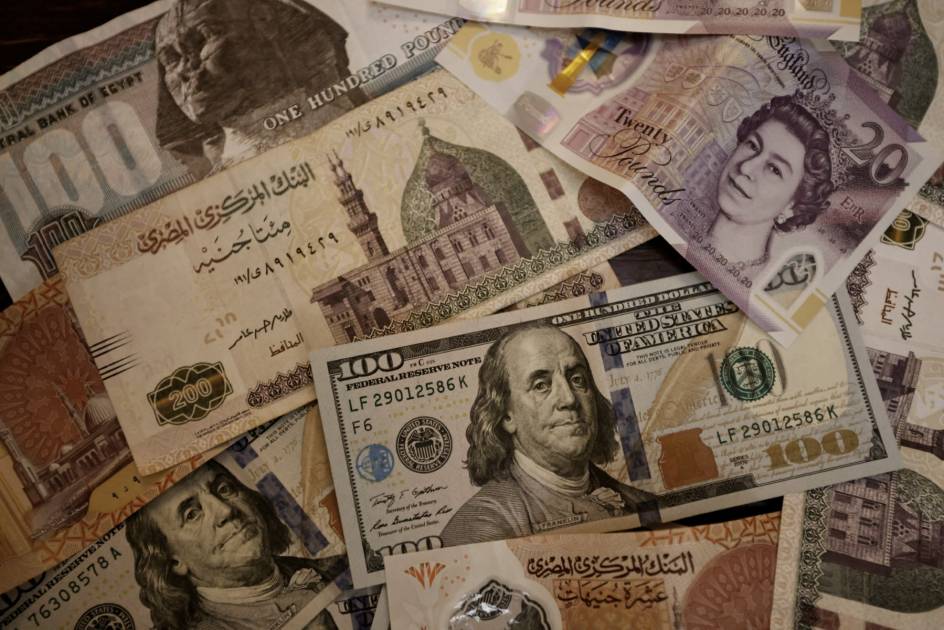
Foreign portfolio investments in Egypt recorded a net outflow of $4.4 billion in the first nine months of fiscal year 2025/2026 due to regional tensions, while FDI inflows rose to $13 billion. The balance of payments deficit narrowed to $1.8 billion.
Summary: Foreign portfolio investments recorded a net outflow of approximately $4.4 billion during the period from July 2025 to the end of March 2026.
Due to geopolitical tensions and the state of war that the Middle East region has witnessed recently, foreign portfolio investments during the first quarter of this year recorded a net outflow from Egypt of about $9.5 billion, coinciding with the outbreak of conflict in the Middle East region.
In light of this, and according to the balance of payments report issued by the Central Bank of Egypt, foreign portfolio investments (indirect foreign investment) during the first nine months of fiscal year 2025/2026 recorded a net outflow of about $4.4 billion, compared to a net inflow of $2.1 billion during the same period of the previous fiscal year.
In contrast, net foreign direct investment inflows rose to $13 billion during the first nine months of the fiscal year ending June 30, 2026, compared to $9.8 billion in the comparable period of fiscal year 2024/2025.
This growth in net FDI inflows helped reduce Egypt’s overall balance of payments deficit by about 2.9 percent year-on-year during the period from July 2025 to last March, to about $1.8 billion, coinciding also with an increase in net inflows in the capital and financial account to about $9.9 billion.
Meanwhile, the current account recorded a deficit of about $14.6 billion during the first nine months of the fiscal year that ended last month, pressured by a rise in the merchandise trade deficit of about 24.6 percent year-on-year.
Balance of payments deficit declines to $1.8 billion in 9 months
In contrast, Egypt’s balance of payments showed an improvement in the overall deficit during the first nine months of fiscal year 2025/2026, declining by 2.9 percent year-on-year to about $1.8 billion, compared to $1.9 billion during the same period of the previous fiscal year.
This improvement was supported by an increase in net inflows in the capital and financial account to about $9.9 billion, amid a rise in net FDI inflows to $13 billion.
In contrast, the current account recorded a deficit of about $14.6 billion during the period from July 2025 to the end of March 2026, affected by an increase in the merchandise trade deficit to $14.8 billion.
Read more
Return of hot money pushes Egyptian pound to record gains
How does the Iran war hit Egypt's economy?
Egyptians with 'gasoline increase'... detachment and denial after Ramadan
Nevertheless, several sources of foreign currency helped limit the widening of the deficit during the mentioned period, most notably an increase in remittances from Egyptians working abroad by 32 percent year-on-year to reach $34.9 billion, along with a rise in tourism revenues by 14.9 percent to $14.4 billion, and an increase in Suez Canal revenues by 22.1 percent year-on-year to $3.2 billion.
At the same time, foreign investments in Egypt’s portfolio securities faced pressures during the first nine months of fiscal year 2025/2026, recording a net outflow of $4.4 billion, compared to a net inflow of $2.1 billion during the same period of the previous fiscal year.
The Central Bank of Egypt explained that the period from January to March 2026 alone witnessed an outflow of investments worth $9.5 billion, coinciding with the outbreak of conflict in the Middle East and the associated increase in uncertainty in global financial markets.
Record purchases by foreigners in Egyptian debt instruments
Available data indicate that foreign investments in Egyptian government debt instruments, known as hot money, reached about $11.6 billion from the beginning of 2026 until mid-July, recording net purchases of $8.76 billion last month, but they witnessed notable fluctuation with partial exits affected by regional geopolitical tensions.
The second quarter of this year recorded net inflows of about $11.66 billion, and despite these massive figures that bolstered the foreign exchange reserves, these investments are inherently speculative and quick-moving. However, with renewed tensions in the Middle East and targeting of ships in the Strait of Hormuz, the secondary market for government debt recorded net sales and exits of $893 million in a single session.
Regarding dollar liquidity, the Central Bank of Egypt had announced days ago that Egypt’s net foreign exchange reserves rose to $55.07 billion at the end of last June, compared to $53.134 billion in May, an increase of $1.93 billion.
Egypt’s foreign exchange reserves reached a new record level at the end of June 2026, becoming the highest in the country's history.
The large and continuous growth in Egypt’s net international reserves was supported by an improvement in the country's sources of foreign currency revenue. Egyptian exports have seen significant leaps since the beginning of 2025, tourism revenues increased, remittances from Egyptians abroad recorded record increases, in addition to the large growth in Suez Canal revenues.
Remittances from Egyptians working abroad continued their upward trend, jumping during the period from July 2025 to the end of May this year by 31.2 percent to reach about $43.1 billion, compared to about $32.8 billion during the same period of fiscal year 2024/2025.
On a monthly basis, remittances in May 2026 increased by 13.5 percent to about $3.9 billion, compared to about $3.4 billion in May 2025.
Remittances from Egyptians abroad during 2025 recorded record inflows, the highest ever, rising by 40.5 percent to about $41.5 billion, compared to about $29.6 billion in 2024.
Original source: Independent Arabia




Comments (0)
Be the first to comment.