How does FIFA lose money and then become richer?.. World Cup 2026 is the key

Thursday, July 9, 2026, 16:59 | 2-minute read
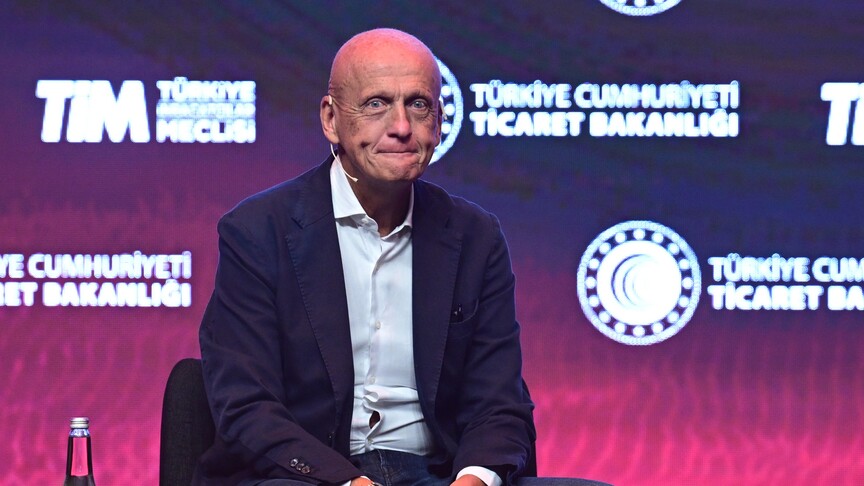
FIFA president at a press conference. (AFP)
The International Federation of Association Football (FIFA) loses money in three out of every four years, but it recovers those losses and records surpluses of billions of dollars in the year when the men's World Cup is held, in a financial model that makes the tournament the primary source of revenue, according to a report published by The Athletic.
Crown Jewel
The men's World Cup has always been the 'crown jewel' of FIFA's business, as the organization's financial budget is tied to a four-year cycle coinciding with the tournament. With the 2026 edition expanding to 48 teams and 104 matches held over 39 days, the federation expects to achieve its largest financial return ever.
Record Revenue
FIFA has projected revenues of $13 billion during the 2023-2026 cycle, an increase of more than 70% compared to the previous cycle. About $9 billion of that total is expected to come in the year 2026 alone, driven by World Cup-related revenues, with expectations that the final figure may exceed these estimates.
Where is it spent?
FIFA, as a non-profit organization, intends to spend $12.9 billion during the current cycle, with only about $100 million allocated to bolster financial reserves.
FIFA President Gianni Infantino insists that 'every dollar goes back into developing football,' indicating that most revenues are returned to national associations, development programs, and competitions around the world.
Accumulated Surpluses
Despite the limited surplus targeted in the budget, FIFA recorded a financial surplus of $1.2 billion in each of the previous two cycles, exceeding the planned level by more than ten times.
By the end of 2025, the federation's financial reserves stood at $2.7 billion, while cash liquidity rose to $1.2 billion, in addition to about $6 billion distributed among bonds, investments, and deposits.
Financial Recovery
These figures highlight a radical transformation in FIFA's financial situation, which faced one of the biggest bribery and corruption scandals in its history about 11 years ago, and has now become one of the richest sports organizations in the world, relying on the World Cup as the main driver of its revenues and the financing of its activities.
Definitions
Original source: Aleqtisadiah


Comments (0)
Be the first to comment.