Inflation in Germany Slows to 2.3% in June Despite Persistent Energy Pressures
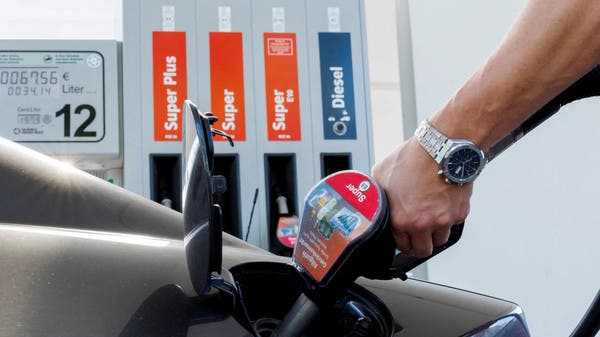
Germany's annual inflation rate fell to 2.3% last month, driven by lower oil prices and a temporary fuel tax cut implemented by the government.
The Federal Statistical Office of Germany confirmed the preliminary estimates on inflation rates, as consumer prices slowed last month compared to 2.6% in May and 2.9% in April.
Strait of Hormuz paralysis.. Goldman Sachs warns of delayed recovery in oil supplies
Energy prices remain the main driver of inflation, despite their impact being mitigated by the fuel tax cuts.
Energy prices and fuel costs for households in June increased by 3.4% compared to the same month last year.
Economists warned that prices could rise sharply again in July due to the expiration of the temporary fuel tax cut. Experts are also monitoring the recent escalation of tensions in the Middle East, and the latest military escalation between the US and Iran that has driven oil prices up again.
Food prices rose in June by an annual rate of 0.4%, the same rate recorded in May. Service prices, including restaurants and travel, remained a key factor for inflation last month, rising by an annual rate of 3.1%, the same rate recorded in the previous May.
The German statistics office said the core inflation rate, which excludes volatile energy and food prices, was 2.5%.
These data come as the European Central Bank faces pressure to reach its target inflation rate of 2%.
With inflation rates rising sharply in the euro area following the oil price shock due to the war in Iran, the European Central Bank raised its key interest rate in June for the first time in nearly three years.
Advertising material
Advertising material
Original source: Al Arabiya





Comments (0)
Be the first to comment.