Jump in Euro Bond Yields Amid US-Iran Military Escalation
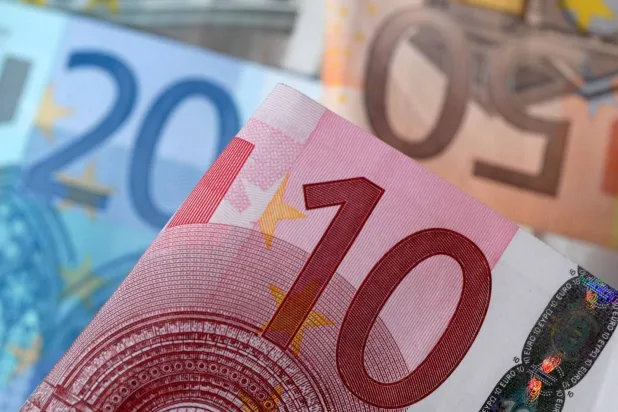
Eurozone bond yields and oil prices rose on Monday amid growing concerns about global inflation, following an exchange of intense missile attacks between the United States and Iran.
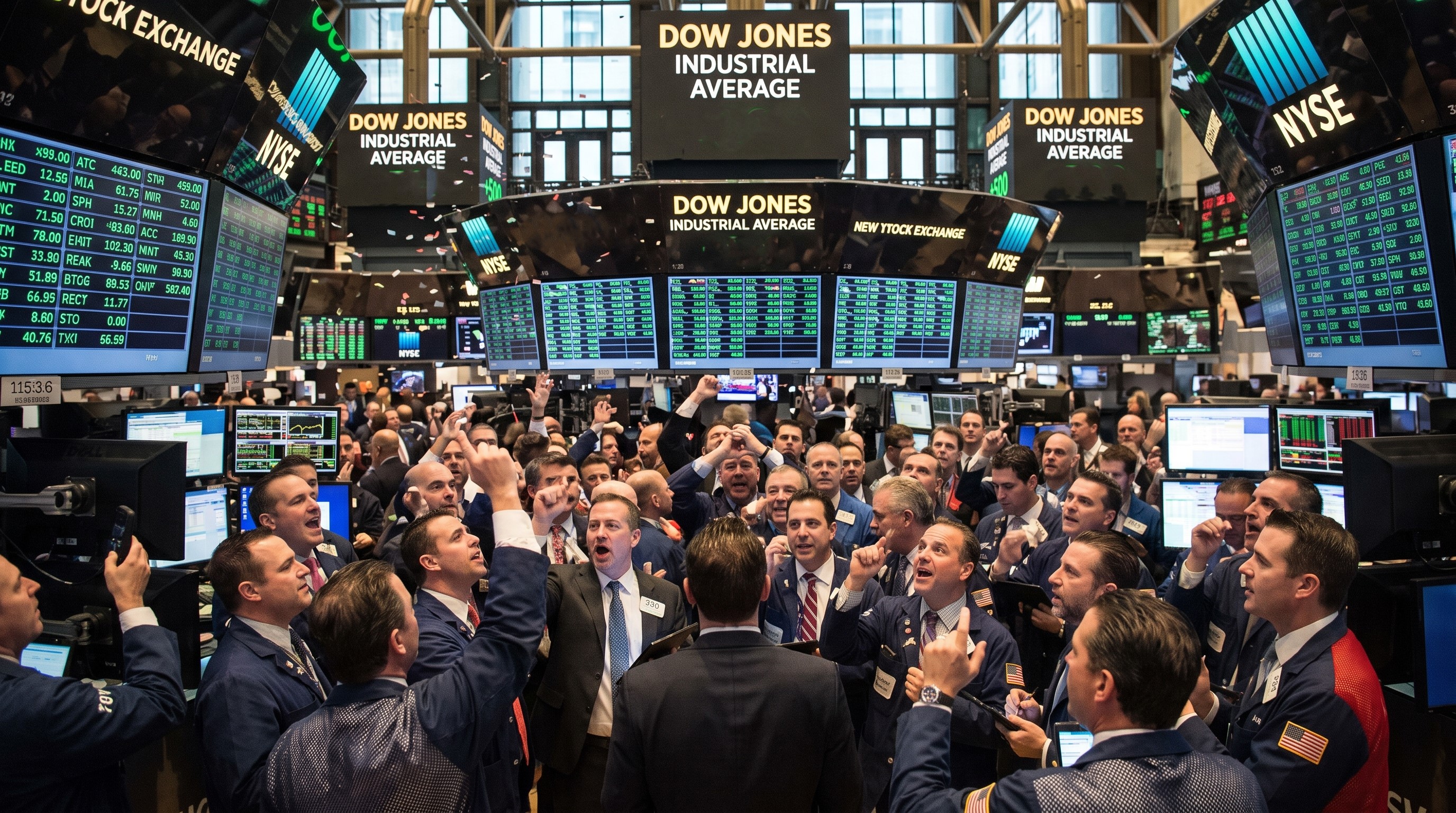
U.S. stock futures fell on Monday as tensions escalated between the United States and Iran, sparking investor concerns and pushing oil prices higher, while shares of chipmakers came under selling pressure.
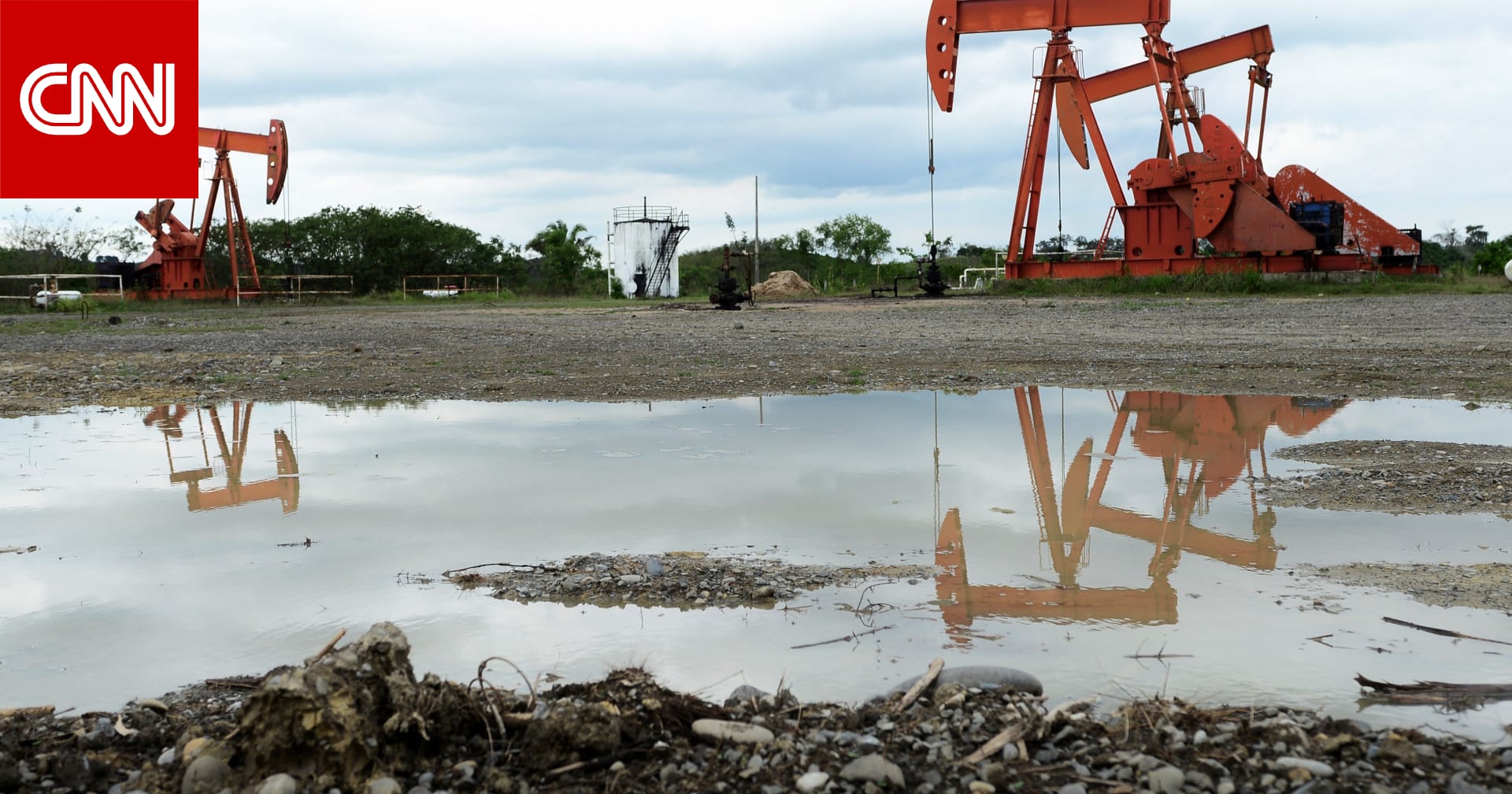
Markets began the week in a tense atmosphere following the exchange of attacks between the United States and Iran, and Tehran's announcement of the closure of the Strait of Hormuz, one of the most vital chokepoints for global energy supplies, according to Reuters.
The latest military developments raised doubts about the future of the interim agreement between the United States and Iran, signed last month to reopen the strait and end the war after 60 days of negotiations.
Crude oil futures rose more than 3% as investors assessed the growing risks threatening this vital shipping channel. Nasdaq futures, which include major technology companies, led the declines, while semiconductor stocks were among the biggest losers in pre-market trading.
Shares of memory chipmakers fell sharply; Micron Technology dropped 5.3%, while Western Digital, Seagate, and SanDisk fell 5.5%, 4.3%, and 6.5%, respectively.
SK Hynix, listed in the U.S., also fell 8.1% after its strong performance on its first trading day on Nasdaq on Friday.
The iShares Semiconductor ETF fell 2.6%.
Kathleen Brooks, research director at XTB, said: 'These developments indicate that escalating geopolitical tensions and rising oil prices are once again hampering market momentum, putting pressure on the technology sector and negatively impacting semiconductor stocks.'
As of 6:58 a.m. Eastern Time, Dow futures were down 19 points, or 0.04%, S&P 500 futures fell 23.25 points, or 0.31%, and Nasdaq 100 futures dropped 283.5 points, or 0.94%.
These moves came ahead of a week packed with economic data and corporate earnings, which will test the strength of the U.S. stock market recovery and the resilience of corporate profits.
The S&P 500 has risen more than 10% since the start of the year, remaining less than 1% below its record high set in early June. The index also posted its second consecutive weekly gain last week, overcoming volatility in chip stocks and renewed U.S.-Iran tensions that brought inflation risks back to the forefront of investor concerns.
Major Wall Street banks, including JPMorgan Chase, Goldman Sachs, and Morgan Stanley, are scheduled to report their second-quarter financial results this week. Netflix, General Electric, and UnitedHealth will also release their quarterly results.
Data from the London Stock Exchange Group expects S&P 500 companies' earnings to grow 23.7% in the second quarter compared with the same period last year.
Investors will also watch a series of important economic data, starting with the U.S. consumer price index release on Tuesday, which could reshape market expectations for the interest rate path. Producer price data will be released on Wednesday, followed by monthly retail sales data on Thursday.
Federal Reserve Chairman Kevin Warsh is scheduled to deliver his first testimony to Congress on monetary policy on Tuesday, while Fed Governor Christopher Waller will speak later on Monday about the economic outlook. Data from the London Stock Exchange Group indicates that markets expect at least a 25-basis-point rate hike by the end of the year.
In stock moves, Deckers Outdoor rose 1.6% after Jefferies, a banking and investment services firm, upgraded the footwear maker to 'buy'.
Original source: Asharq Al-Awsat




Comments (0)
Be the first to comment.