Lebanon and Israel to new round of negotiations in Italy next August

تستأنف لبنان وإسرائيل محادثات الوساطة الأميركية في روما مطلع آب، بالتزامن مع بدء تطبيق خطة انسحاب إسرائيلي تدريجي من جنوب لبنان ونشر الجيش اللبناني، في إطار اتفاق إطاري سبق التوصل إليه.
A Lebanese official told Reuters on Wednesday that Lebanon and Israel are scheduled to hold the next round of negotiations mediated by the United States on August 4 in Italy, as the two countries begin implementing a plan for Israeli withdrawal from southern Lebanon coupled with the deployment of the Lebanese army in those areas.
The two countries held direct talks that lasted more than three months, described as a means to achieve a permanent end to hostilities since a new war broke out on March 2 between Israel and the Lebanese Hezbollah group.
Five meetings hosted by the United States resulted in a framework agreement late last month, stipulating the disarmament of Hezbollah and the gradual withdrawal of Israeli forces from southern Lebanon alongside the deployment of Lebanese forces.
The talks at the ambassadorial level have since moved to the Italian capital so that delegations can discuss technical details and guidelines regarding 'pilot areas,' a term used for the geographic zones where the process will be implemented in phases.
Last Wednesday, the sixth round of Lebanese-Israeli negotiations concluded in Rome, focusing on the clause regarding the start of the first phase, the Israeli withdrawal from two model areas, and the timeline for this withdrawal.
Lebanese pressure for full Israeli withdrawal
This week saw the first Israeli withdrawal under the pilot areas program, as Israeli forces withdrew from the town of Zawtar al-Gharbiyeh in southern Lebanon, and the Lebanese army began deploying forces there, but it asked residents to postpone their return until the town is cleared of unexploded ordnance.
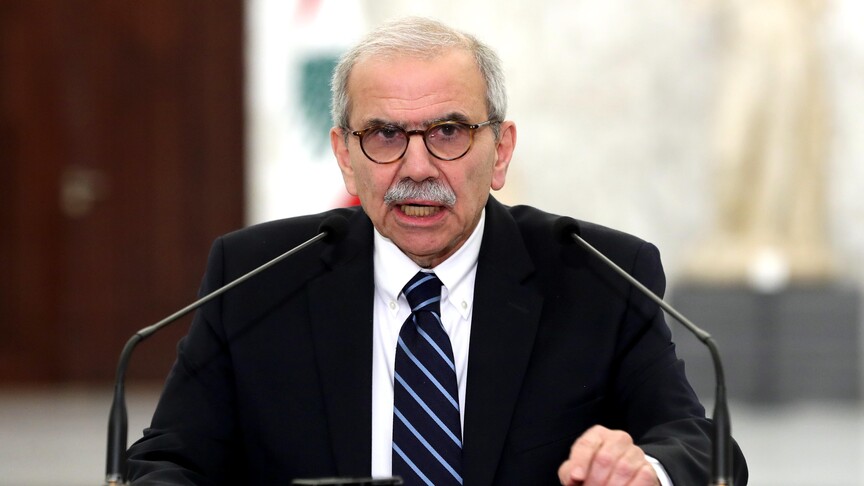
Lebanese Prime Minister Nawaf Salam visited Zawtar al-Gharbiyeh on Wednesday and raised the Lebanese flag there, saying that 'the state will work to reopen roads, remove rubble, and restore public services so that residents can return.'
Salam said that this 'withdrawal represents an important first step, but Lebanon wants a complete Israeli withdrawal from all its territory.'
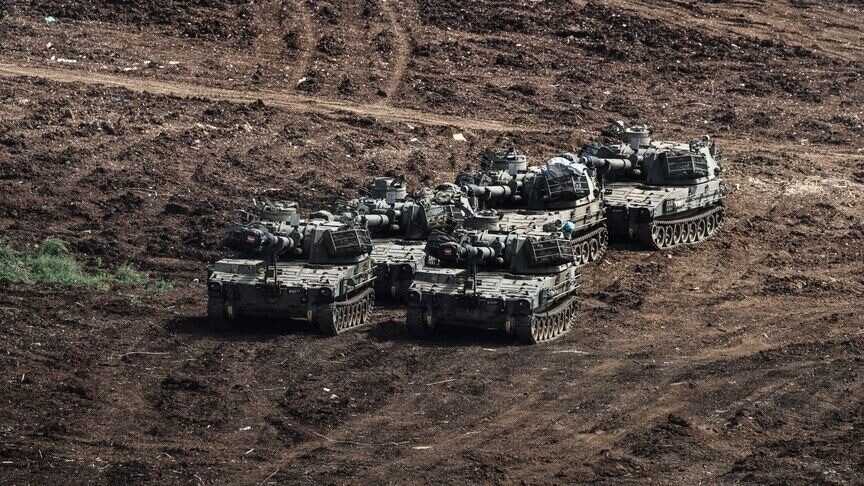
Israel continues to occupy what it calls a buffer zone extending about 10 kilometers into Lebanese territory from the border, where Israeli forces ordered residents to leave their homes and caused significant damage to several villages.
Israeli officials say this area is necessary to protect residents in northern Israel from Hezbollah attacks.
Continued demolition operations
Despite the ceasefire that took effect last month, Lebanese security sources confirmed the continuation of demolition operations carried out in controlled areas.
Tens of thousands of Lebanese remain displaced and unable to return to their homes because their villages are either still occupied by Israeli forces or have been destroyed.
Israeli officials said that the presence of forces in southern Lebanon will continue as long as the Hezbollah group remains armed.
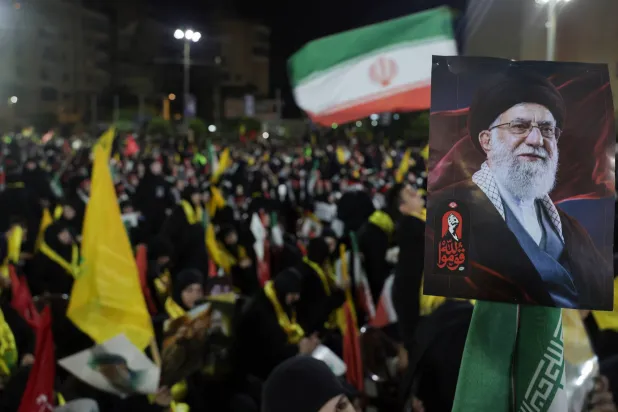
The group opposes the direct talks that the Lebanese government is holding with Israel and also refuses to fully disarm.
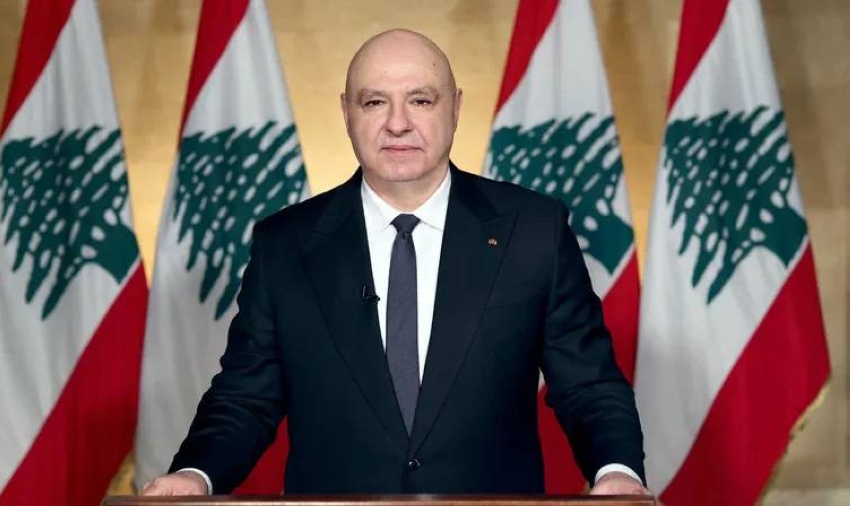
During his first official visit to Washington, Lebanese President Joseph Aoun said that Israel's withdrawal from Lebanon could remove 'the root cause that Hezbollah has long used as a justification for its existence.'
Aoun told attendees at a reception held at the Lebanese embassy in Washington, according to statements published by his office, that only then can Hezbollah be disarmed.
Aoun in Washington
Aoun met with U.S. President Donald Trump on Tuesday during his visit to Washington, and Trump promised that 'Washington will help Beirut in the next phase.' Trump added that the United States will achieve 'great progress' with the Lebanese president, noting that 'Lebanon has suffered for decades.'
The U.S. president indicated that 'Washington will hold talks regarding the Lebanese army's control over villages from which Hezbollah withdraws,' noting that 'Israel is about to withdraw from Lebanon and redeploy in other areas.'
Original source: Asharq News


Comments (0)
Be the first to comment.