Maritime Blockade on Iran Pushes Oil Prices to $83
Oil prices rose sharply at the close of today's trading, by more than 9% and closed at $83, supported by US President Donald Trump's reinstatement of the maritime blockade on Iran, which exacerbated concerns about energy supplies passing through the Strait of Hormuz.
The Joint Maritime Information Center, a US-led coalition, announced that the blockade of Iranian ports will take effect tomorrow (Tuesday) at exactly 8:00 PM GMT, which is 11:00 PM Mecca time.
20% Tariff
Trump announced that Washington would impose a 20% tariff on transit through the strait, and the Iranian Foreign Minister responded by saying, 'Tehran has always been the guardian of the strait,' hinting that this US move sets a precedent justifying his country's efforts to control the strategic shipping lane.
For its part, the International Maritime Organization, a UN agency, affirmed that passage through the Strait of Hormuz must remain free and without any tariffs or restrictions under international law.
As the mutual attacks between Washington and Tehran continue, maritime tracking data showed a decrease in the number of oil and gas tankers crossing the Strait of Hormuz to the lowest level in two months, according to an analysis conducted by 'Kpler'.
Oil prices surged sharply at the close of today’s trading, rising by more than 9% to close at $83, supported by U.S. President Donald Trump's reinstatement of the maritime blockade on Iran, which heightened concerns about energy supplies passing through the Strait of Hormuz.
The Joint Maritime Information Center, a coalition led by the United States, announced that the blockade of Iranian ports will take effect tomorrow (Tuesday) at 8:00 PM GMT, which is 11:00 PM Mecca time.
20% Tariff
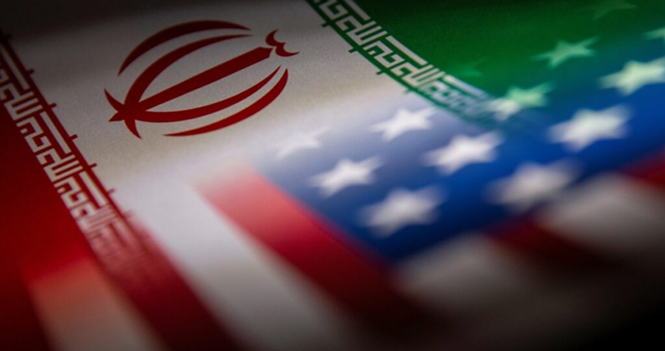
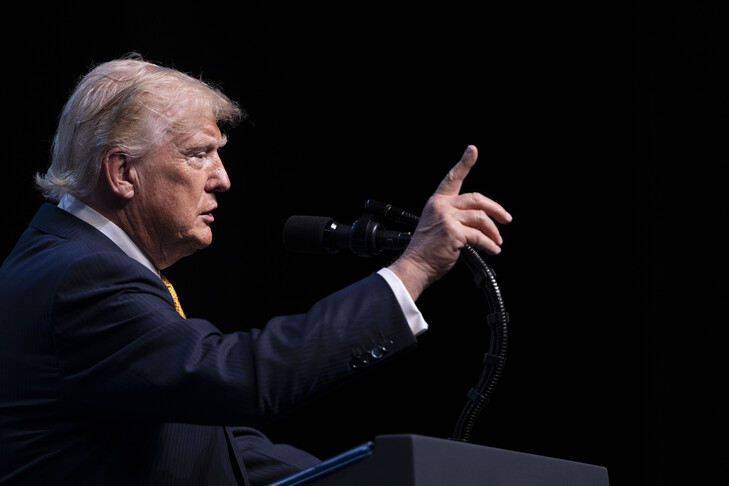
Trump announced that Washington would impose a 20% tariff on transit through the strait, to which the Iranian Foreign Minister responded by saying, "Tehran has always been the guardian of the strait," hinting that this U.S. move sets a precedent justifying his country's efforts to control the strategic shipping lane.
For its part, the International Maritime Organization, a United Nations agency, confirmed that passage through the Strait of Hormuz must remain free and without any tariffs or restrictions under international law.
As the exchanges of attacks between Washington and Tehran continue, tracking data showed a decline in the number of oil and gas tankers passing through the Strait of Hormuz to the lowest level in two months, according to an analysis conducted by "Kpler."
Original source: Okaz

Comments (0)
Be the first to comment.