US-Iran Escalation Fears Grip Oil Markets
The International Energy Agency said Friday that the latest escalation in confrontations between the United States and Iran could undermine its expectations of a large surplus in the oil market next year, at a time when global supplies rose in June with the reopening of the Strait of Hormuz but remained below pre-war levels.
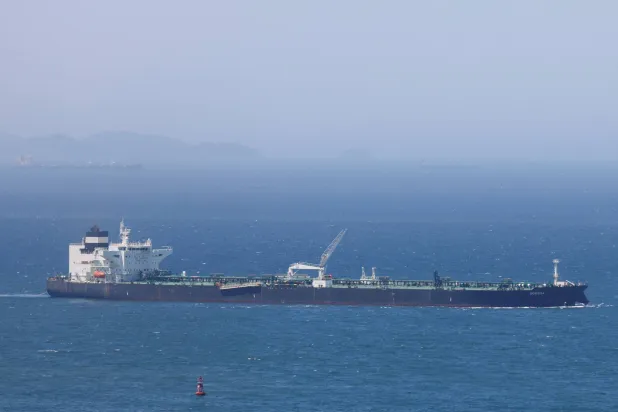
The agency added that global oil markets found relief last month after a temporary ceasefire agreement between the United States and Iran helped reopen the strait, whose effective closure during the peak of the biggest oil supply crisis in history had disrupted crude oil flows that at times reached about 14 million barrels per day.
It stated that global oil supplies rose by 4.1 million barrels per day in June, but remained about 9.4 million barrels per day below pre-war levels. The agency added that it expects global supplies to grow by 7.5 million barrels per day next year, but this scenario depends on improved tanker traffic through the Strait of Hormuz.
It said: "However, the escalation of hostilities on July 7 and 8 casts doubt on the forecasts and could undermine the scenario of the market turning to surplus next year."
Weekly Gains
Meanwhile, oil prices rose slightly on Friday, heading for weekly gains amid renewed fears of Middle East supply disruptions after renewed fighting between the United States and Iran this week disrupted shipping in the Strait of Hormuz. By 03:19 GMT, Brent crude futures rose four cents, or 0.05 percent, to $76.34 a barrel. U.S. West Texas Intermediate crude increased seven cents, or 0.10 percent, to $72.15. On a weekly basis, Brent was on track for gains of 6 percent and U.S. crude 5 percent.
Vandana Hari, founder of oil market analysis firm Vanda Insights, said: "Prices have pulled back from mid-week levels, but there is still a significant risk premium with traffic through the Strait of Hormuz almost completely halted and no clear indication of when normal operations can resume."
Hari added: "However, market confidence that the United States and Iran will return to the diplomatic track to resolve this issue appears to be limiting the upside."
Iranian armed forces launched attacks on U.S. military infrastructure in Gulf countries on Thursday following U.S. strikes on coastal areas in southern and eastern Iran, increasing pressure on the ceasefire that was reached three weeks ago.
Iranian media reported multiple explosions in areas in southern Iran, including Bushehr, which houses a nuclear power plant. The fighting resumed on the day the body of Iran's Supreme Leader Ayatollah Ali Khamenei was laid to rest after a week of massive funeral ceremonies. Khamenei was killed on the first day of the war on February 28. The renewed fighting delayed the full reopening of the Strait of Hormuz, through which about 20 percent of the world's daily oil and gas supplies passed before the war.
According to vessel tracking data, tanker traffic through the strait came to a near standstill on Thursday as ship owners assessed risks from the latest strikes, which began after Iran targeted a Qatari liquefied natural gas carrier that was leaving the waterway near Oman. However, U.S. President Donald Trump said on Wednesday that he rules out a new all-out war and that "anything that happens will end very quickly."
Daniel Hynes, senior commodity strategist at ANZ Bank, said: "Despite the United States escalating its attacks on military sites in Iran, the market has taken some comfort from the Trump administration's decision to avoid targeting Iranian energy infrastructure... This was helped by President Trump's remarks ruling out a return to full-scale conflict."
Original source: Asharq Al-Awsat




Comments (0)
Be the first to comment.