Mohamed Ali Reda: Success of the Restaurant Sector Starts with National Competencies and Local Partnerships
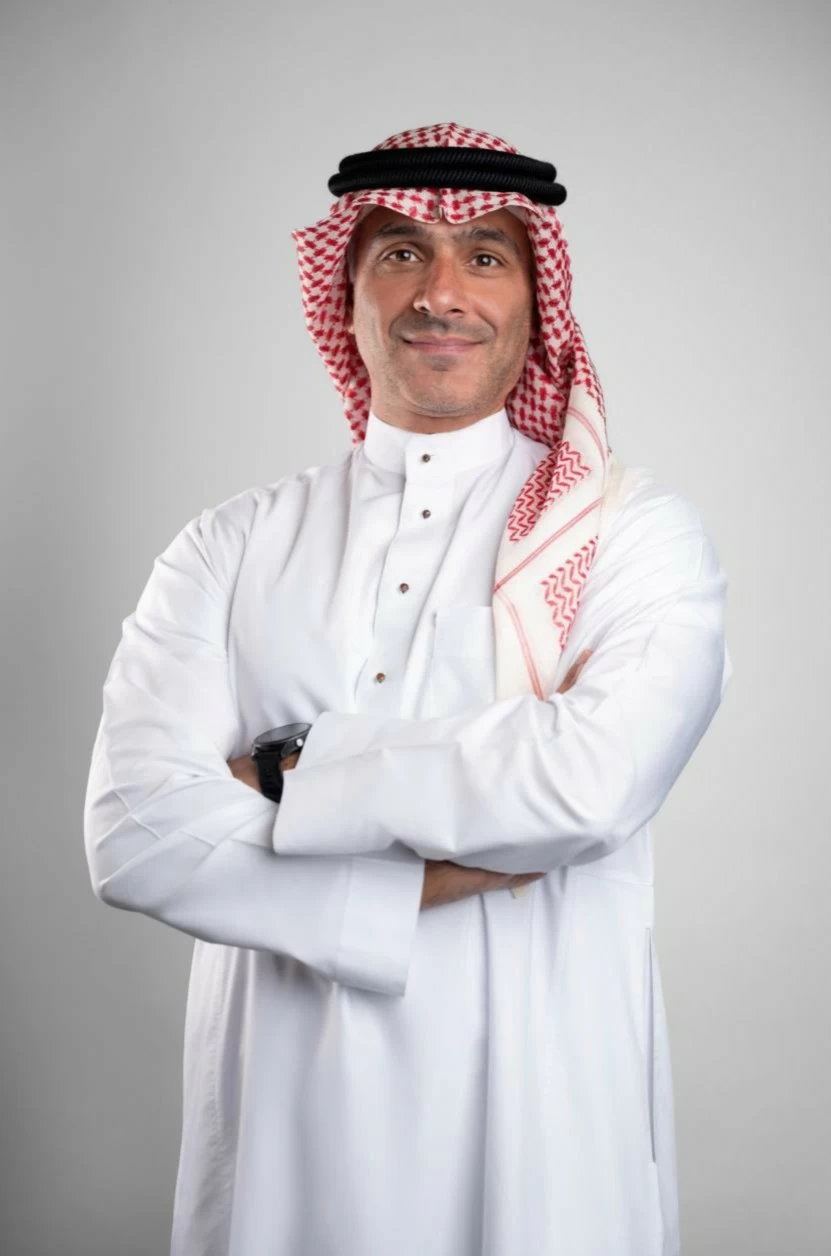
The fast-food and restaurant sector in Saudi Arabia is witnessing a new stage of growth, in which success criteria are no longer limited to expanding the number of branches or increasing sales, but have become linked to companies' ability to build qualified national cadres, enhance local partnerships, improve operational efficiency, and develop the customer experience in line with the rapid transformations in the market. Based on his experience leading McDonald's operations in the western and southern regions and the Tabuk region, Mr. Mohamed Ali Reda, CEO of Reda Food Services Ltd., believes that sustainable growth does not…
The fast-food and restaurant sector in the Kingdom of Saudi Arabia is witnessing a new stage of growth, in which success criteria are no longer limited to expanding the number of branches or increasing sales, but have become linked to companies' ability to build qualified national cadres, enhance local partnerships, improve operational efficiency, and develop the customer experience in line with the rapid transformations in the market.
Based on his experience leading McDonald's operations in the western and southern regions and the Tabuk region, Mr. Mohamed Ali Reda, CEO of Reda Food Services Ltd., believes that sustainable growth is not achieved through short-term decisions, but requires an integrated vision based on investment in people, building a strong system of suppliers and partners, and calculated expansion, along with making decisions based on data and market needs.
Mr. Mohamed Ali Reda emphasizes that the success of companies operating in the restaurant sector is no longer solely dependent on product quality or speed of service, but has become linked to their ability to achieve a broader economic and social impact within the communities where they operate, by creating job opportunities, developing competencies, supporting local economic activity, and achieving sustainable value that goes beyond the scope of daily operational activities.
In this context, Reda believes that real investment begins with investment in people, noting that providing jobs represents the starting point, while the more important value lies in building career paths that enable Saudi youth to gain practical experience, develop their skills, and take on greater responsibilities as they progress within the organization. The economic and social impact report, prepared by Oxford Economics, showed that McDonald's Saudi Arabia supported about 22,500 jobs, in addition to providing more than 2,500 training hours, granting over 6,000 professional certificates in restaurant operations, customer service, and team leadership, as well as investing more than 4.6 million riyals in employee training and development.
For Mr. Mohamed Ali Reda, these indicators are not just numbers reflecting the volume of operations, but rather confirm the importance of a business model that gives employees real opportunities to learn and grow, and contributes to preparing qualified national cadres capable of keeping pace with the sector's development and rising customer expectations. Continuous investment in work teams, according to his vision, is one of the most important factors that ensure performance sustainability and maintain service quality in parallel with expansion.
This approach extends to local partnerships, which Reda considers a cornerstone for achieving sustainable growth, due to their role in supporting national companies, enhancing supply chain flexibility, and linking the company's business growth to the surrounding economic system. The Oxford Economics report showed that McDonald's Saudi Arabia's total contribution to the Kingdom's GDP amounted to about 3.6 billion riyals, and that every one million riyals of its direct contribution supports an additional 2.2 million riyals within the Saudi economy through supply chains, employee spending, and sectors related to its operations.
Reda believes that the importance of these results lies not only in the size of the contribution, but in showing the extent of interconnection between the company's growth and the growth of suppliers, partners, and other related sectors, stressing that the long-term success of any institution depends on its ability to create shared value for its employees, partners, and the communities in which it operates.
This approach aligns with the objectives of Saudi Vision 2030, especially in the areas of empowering national competencies, supporting local content, investing in human capital, and increasing the private sector's contribution to development. From this standpoint, McDonald's Saudi Arabia works to link its commercial expansion with the development of local supply chains, and build sustainable relationships with suppliers and partners, thereby supporting economic activity and creating new opportunities directly and indirectly.
Reda also views social responsibility as an integral part of the business model, not a separate activity, explaining that commercial growth should be accompanied by real social impact through community initiatives, support for deserving groups, and employee participation in volunteer activities. In his view, the institutions most capable of sustainability are those that achieve a balance between their commercial goals and their responsibility towards society.
Regarding the future of the restaurant and fast-food sector in the Kingdom, Reda expects the sector to witness greater reliance on digital solutions, expansion of delivery services, and development of the customer experience across various service channels, along with continued innovation in products and services to match changing consumer aspirations.
Despite the growing role of technology, Reda believes that successful digital transformation is not achieved merely by adopting modern tools, but rather depends on understanding customer needs and using data to make more accurate decisions and improve operational efficiency. Companies will also need to maintain consistency of experience quality across branches, digital platforms, and delivery channels, so that expansion supports the brand's strength and does not come at the expense of service level.
Regarding the most prominent factors that contributed to McDonald's Saudi Arabia's success in recent years, Reda affirms that success was not the result of one decision or a particular milestone, but rather the fruit of a long-term strategy based on investment in people, strengthening local partnerships, calculated expansion, continuous innovation in customer experience, and commitment to social responsibility. Adherence to these pillars contributed to building a business system more capable of growth and adaptation to changes, an impact that the Oxford Economics report results came to independently document.
On a personal level, Mr. Mohamed Ali Reda considers that one of the biggest challenges he faced during his professional career was keeping pace with rapid changes while maintaining performance quality and continuous development. Among the most important lessons he learned is that sustainable success is not achieved through quick solutions, but through continuous investment in work teams, fostering a culture of collaboration, relying on data and results in decision-making, while maintaining the necessary flexibility to respond to market shifts.
Reda looks forward to a future where the restaurant sector in the Kingdom continues to evolve and grow, with a greater focus on national competencies, sustainability, and innovation. McDonald's Saudi Arabia's priorities in the coming years will remain based on sustainable expansion, developing customer experience, strengthening partnerships with local suppliers, and continuing to invest in employees and community initiatives.
He concluded by emphasizing that the company's ambition is not limited to increasing its business volume, but extends to establishing its role as a long-term partner in development, and building a sustainable economic and social impact that aligns with Saudi Vision 2030 and benefits employees, partners, and local communities.
Original source: Okaz





Comments (0)
Be the first to comment.