New US strikes against Iran using naval suicide drones for first time
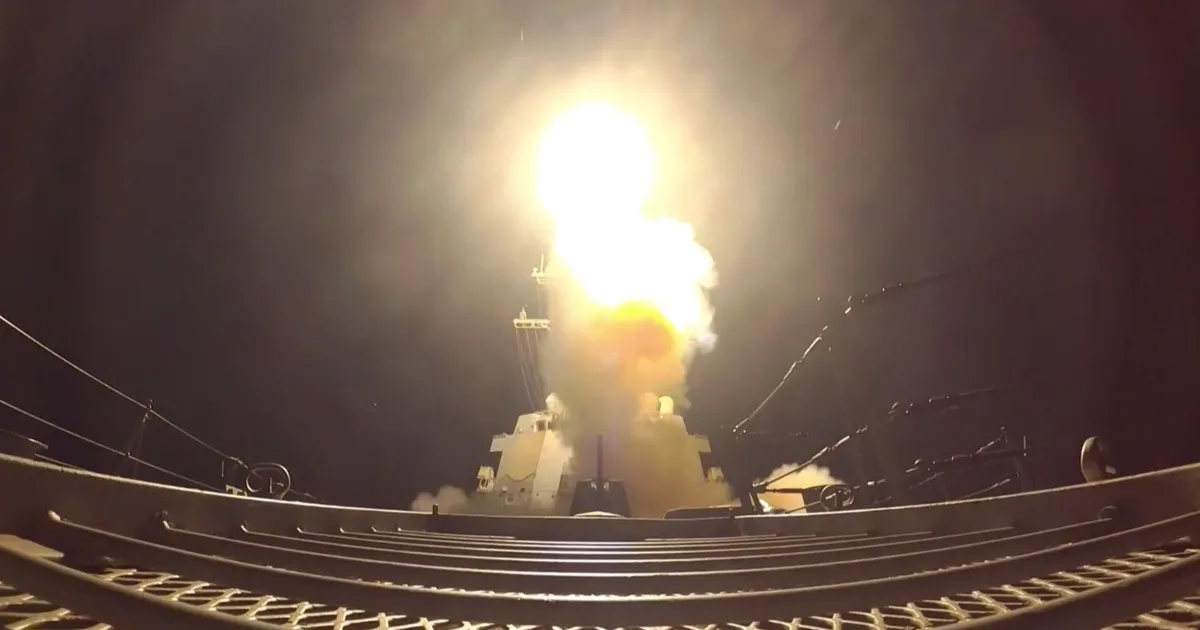
The US Central Command (CENTCOM) announced on Monday that it had completed a new wave of offensive strikes against Iran, saying it targeted dozens of targets in multiple locations using precision munitions, with the aim of "undermining Iran's ability to continue attacking international navigation through the Strait of Hormuz."
In a statement, CENTCOM said its forces targeted Iranian military air defense systems, coastal radar sites, missile and drone capabilities, and fast boats, using US fighter jets, naval vessels, attack drones, and naval attack drones, for the first time.
The command stressed that the Strait of Hormuz is a vital maritime corridor for global trade and that "Iran does not control it."
It added that US forces are stationed in the region and are on high alert to ensure continued freedom of navigation for commercial vessels, despite "attacks, harassment, threats, and unwarranted arbitrary declarations" by Iran.
Hours earlier, CENTCOM had announced that its forces began carrying out the strikes at 5:00 pm Eastern Time on Sunday, adding that US President Donald Trump ordered the strikes "to hold Iranian forces accountable."
Iranian media reported hearing explosions in the cities of Bandar Abbas and Sirik, as well as around Qeshm Island in the south of the country.
Rounds of escalation
The new round of US strikes came a day after the United States and Iran exchanged intensive missile and drone attacks, and Tehran targeted several Gulf states, while simultaneously announcing the closure of the Strait of Hormuz again.
The US military said on Sunday that CENTCOM had targeted more than 300 military sites over three nights of strikes this week, "with the aim of undermining Iran's ability to attack civilian sailors and commercial vessels transiting the Strait of Hormuz."
The Iranian Revolutionary Guards Corps announced on Sunday morning the closure of the Strait of Hormuz to navigation until further notice, after saying it stopped a ship by firing warning shots after it attempted to cross through an "unauthorized route."
The Tasnim news agency quoted the Revolutionary Guards Navy as saying that several ships attempted to cross through an unauthorized route and did not respond to warnings and instructions demanding they correct their course and adhere to the designated route.
In response, the US Central Command rejected the closure announcement in a later statement, saying that "Iran does not control the strait" and that navigation continues despite "attacks, harassment, threats, and arbitrary declarations" issued by Tehran.
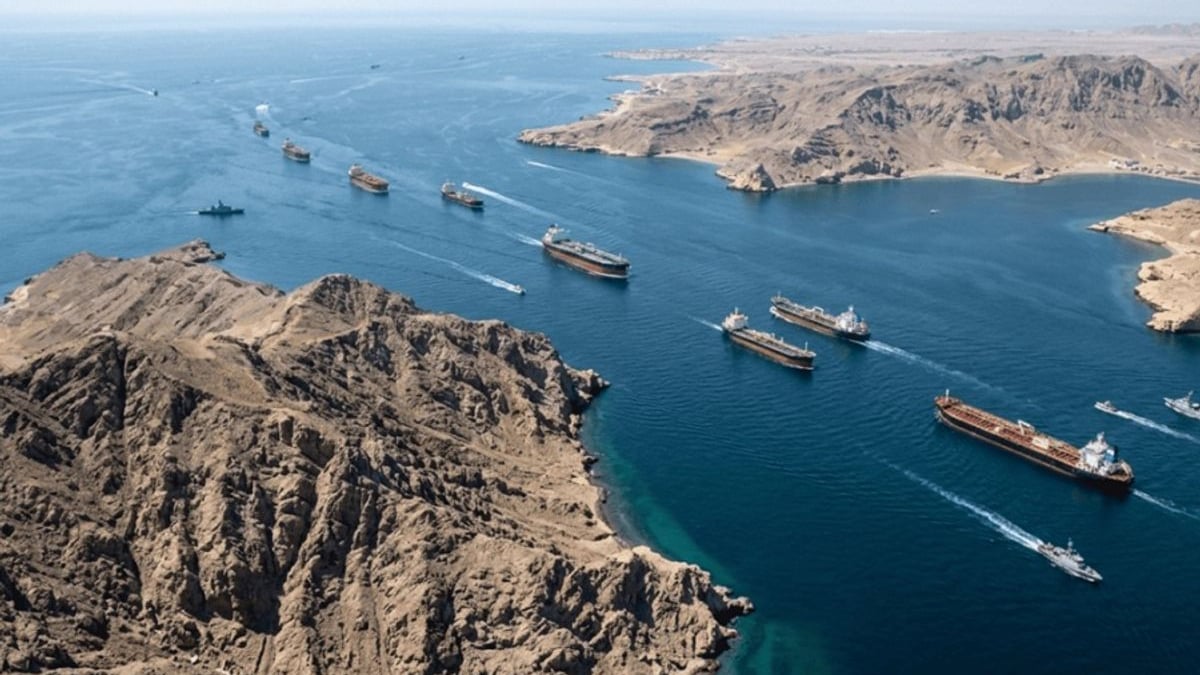
The Joint Maritime Information Center, led by the US Navy, confirmed that the expanded southern route near Oman remains available for two-way navigation, while maintaining the security threat level at critical.
Original source: Asharq News





Comments (0)
Be the first to comment.