No Peace, No War: Ambiguity Surrounds Oil Markets

Global oil markets are experiencing volatility due to a persistent 'no peace, no war' geopolitical situation, with risk premiums keeping prices elevated amid uncertain supply and demand dynamics.
Global oil markets have witnessed notable volatility under the 'no peace, no war' state prevailing in the region, especially with ongoing limited geopolitical tensions and threats that fluctuate in intensity around vital chokepoints such as the Strait of Hormuz, without reaching a full-blown conflict or a lasting settlement.
Assuming this gray situation continues without major escalation or a real breakthrough, it represents a structural challenge to the balance of energy markets, with direct repercussions on supply and demand dynamics and price levels.
The chronic tension contributes to a persistent geopolitical risk premium, adding several dollars to the barrel price, even with spare production capacity from OPEC+ and other producers. This ambiguity keeps markets in a state of constant tension, where any escalation news quickly drives prices up, while any news of a temporary de-escalation leads to a sharp decline.
At the same time, Brent and West Texas Intermediate crude prices have started oscillating in unstable ranges, influenced by security concerns over navigation and supplies. This situation has led to higher insurance and shipping costs, and a slowdown in some investments in new production projects.
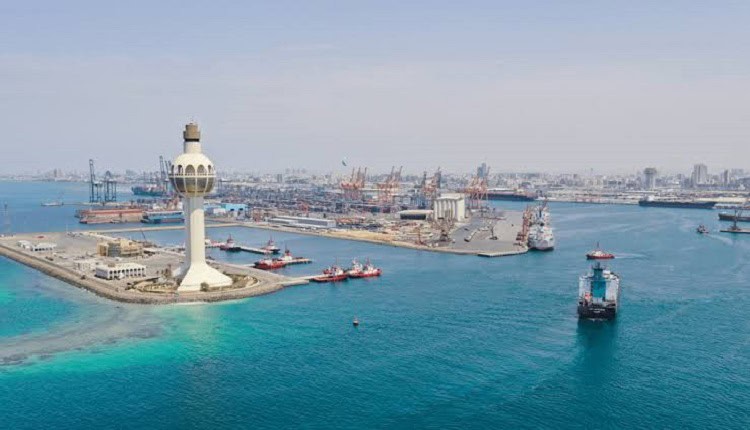
Despite the ability of some producing countries, led by Saudi Arabia, to find alternatives and diversify export routes away from the Strait of Hormuz—the center of the conflict and a critical point in negotiations—the economic cost still impacts importing economies and the stability of global markets.
Now, with the 'no peace, no war' state continuing, expectations point to the risk premium persisting, pushing prices into a relatively high range compared to pure economic fundamentals. Any minor disruption could lift Brent toward $80–85 or more, especially with flows from the Gulf and other countries affected.
The effects will not be limited to supply alone but extend to demand, as the global economy faces challenges from slowing growth in some major markets, exacerbated by higher energy costs.
However, industrial demand and the summer season may provide some seasonal support, typically linked to demand growth from the long-distance travel season in North America and high fuel consumption including jet fuel, with flight numbers growing in summer. Moreover, high energy consumption during the hot season has led to fatalities in the European continent this summer.
Markets are closely monitoring any new political or military developments. Any escalation could bring back a strong war premium, while any limited diplomatic progress may temporarily ease pressure. Therefore, the long-term price path depends on the parties' ability to manage tensions and avoid a slide into full-scale war, with the market gradually returning to supply and demand fundamentals and indicators of global growth and production rates of major countries.
Economic fundamentals will remain the decisive factor in oil markets, and prices may experience notable fluctuations in the coming period. However, the continued geopolitical ambiguity will keep them higher and more volatile than economic conditions warrant. Oil markets will remain less flexible until political stability is achieved, allowing the return of normal flows and efficient absorption of available volumes.
Strategic expert in energy affairs.
Original source: Aleqtisadiah


Comments (0)
Be the first to comment.