Oil Heads for Weekly Gains, Gold Steady as Tensions Escalate
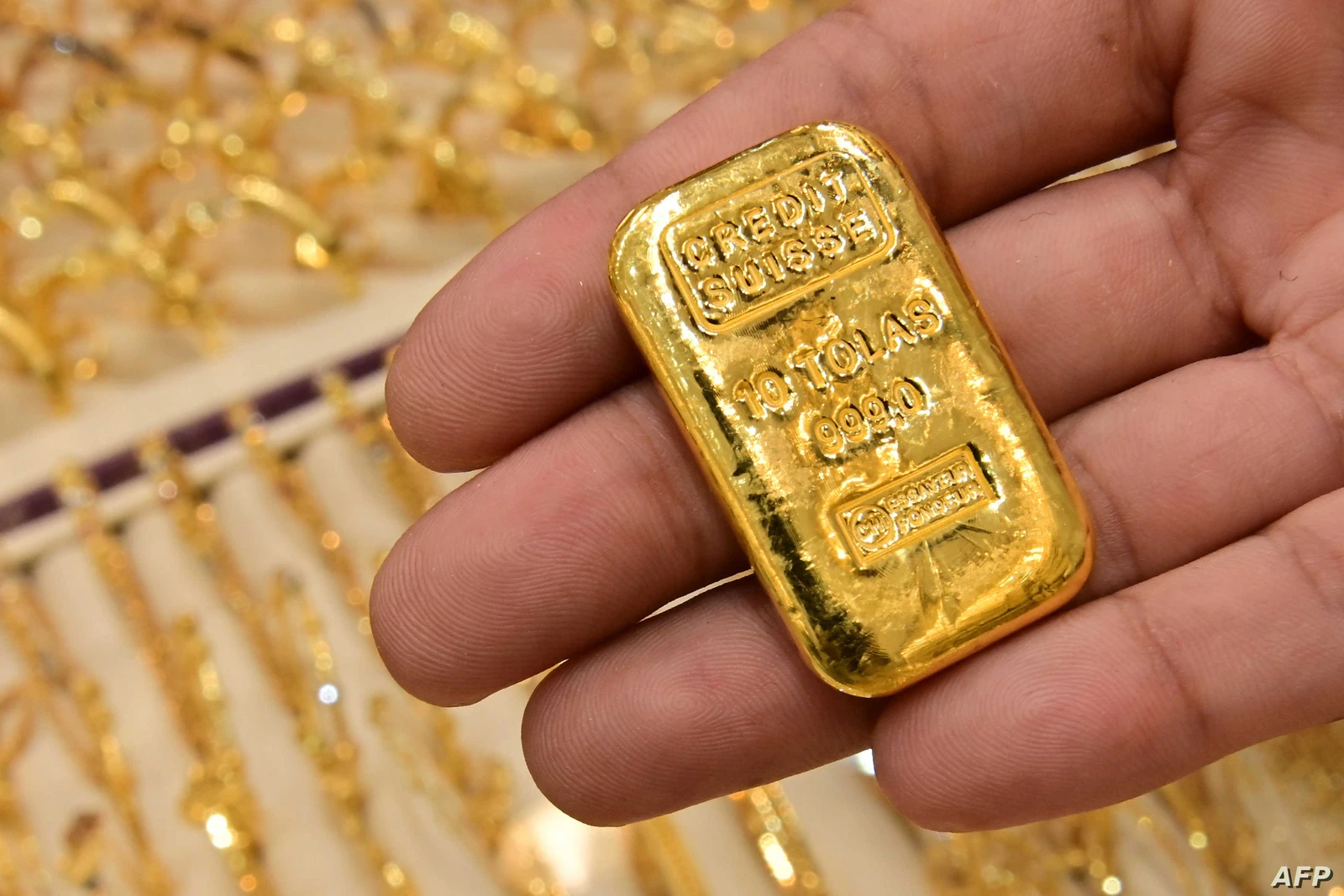
Oil prices are heading for weekly gains in trading today (Friday), driven by renewed concerns about crude supplies from the Middle East after escalating confrontations between the United States and Iran, while gold is set to record a weekly loss under pressure from expectations of US interest rate hikes.
Gold prices stabilized in spot transactions at 4122 dollars per ounce.
Brent crude futures rose about 0.25% to $76.49 a barrel, while US West Texas Intermediate crude climbed 0.26% to $72.27 a barrel. Brent crude is heading for a weekly gain of nearly 6%, while US crude is approaching a weekly rise of about 5%.
Oil gains came amid continued concerns over disruption to navigation in the Strait of Hormuz, through which about 20% of global oil and gas supplies pass, after recent military developments led to a near-complete slowdown in tanker traffic, as shipping companies assess security risks in the region.
Despite prices retreating from their highs recorded in the middle of the week, analysts say that the risk premium remains high due to the lack of clear signs of a return to normal navigation, while expectations of a resumption of the diplomatic track between Washington and Tehran limit the pace of price increases.
In contrast, spot gold prices stabilized at $4122.09 per ounce, while US gold futures for August delivery fell 0.2% to $4131.50, with the precious metal heading for a weekly loss of more than 1%.
Gold came under pressure due to increasing market bets that the US Federal Reserve will raise interest rates in the coming months, amid rising concerns about inflationary pressures resulting from military developments in the Middle East.
Market data showed that the probability of a rate hike in September rose to about 64% compared to 54% a week ago, after the release of the Federal Reserve meeting minutes which indicated increasing concerns among monetary policymakers about inflation.
US labor market data also supported these expectations, after the number of new jobless claims fell, indicating continued strength in the labor market, which reinforced expectations of a continuation of tight monetary policy, reducing the appeal of gold, which yields no return.
Original source: Akhbaar24




Comments (0)
Be the first to comment.