Oil Prices Fall Below $100 a Barrel Despite Tensions
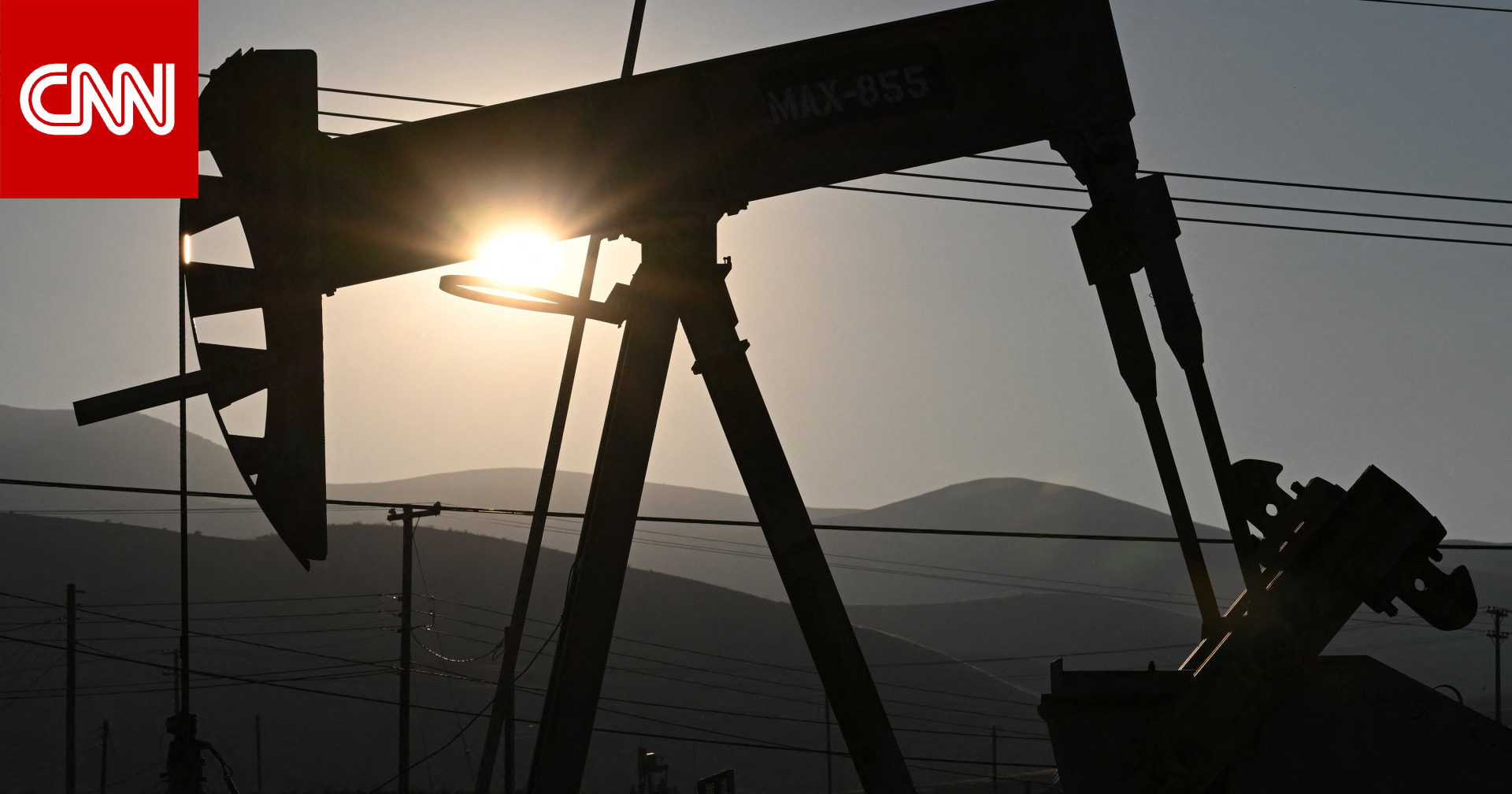
Global oil prices declined on Friday, hours after closing above $100 a barrel for the first time in two months.
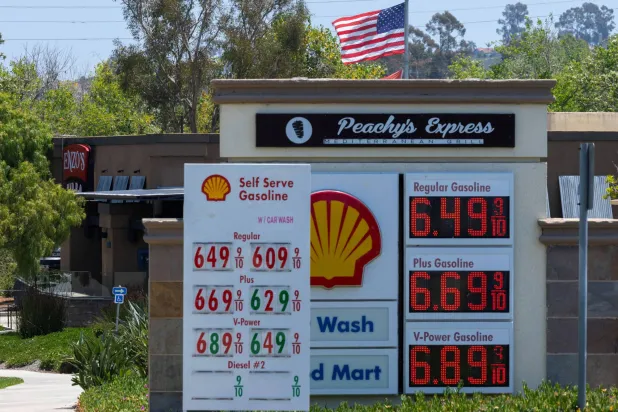
Credit: ROBYN BECK/AFP via Getty Images
Oil prices recorded a decline in Friday trading, after closing above $100 a barrel the previous day, the first close above that level in two months.
These developments come amid ongoing geopolitical unrest in the Middle East, which directly affects global energy markets.
Brent crude, the global benchmark, breached the $100 barrier on Thursday, recording a 33% increase since the beginning of the month, following the collapse of the 60-day ceasefire agreement between Washington and Tehran.
In early trading Friday Eastern time, Brent crude futures fell 2.8% to around $98, while West Texas Intermediate crude fell 2.3% to $90. However, both benchmarks are heading for strong weekly gains.
Tension dominates oil markets after Houthi attacks on Saudi oil tankers in the Red Sea, threatening to close an alternative route for Saudi exports, while navigation through the Strait of Hormuz faces new virtual disruption.
However, data from the MarineTraffic platform showed that two oil tankers carrying Saudi crude shipments passed through the Bab el-Mandeb Strait on Thursday.
This decline comes despite ongoing fears of supply shortages due to tensions in the region. The Bab el-Mandeb and Strait of Hormuz are vital corridors for oil exports. Shipping data showed that two Saudi oil tankers passed through the Bab el-Mandeb Strait on Thursday, easing some concerns. However, the situation remains fragile as Houthis continue to threaten navigation. Investors are closely monitoring how these events affect global supply stability.
Original source: CNN Arabic

Comments (0)
Be the first to comment.