Oil prices jump more than 2% as attacks escalate between US and Iran

Oil prices gave up their early gains on Monday after news of a new negotiation proposal between the US and Iran. The Iranian Foreign Ministry said it is possible to seek to resume negotiations with the United States while respecting Tehran's national interests.
Prices earlier touched their highest in more than a month on concerns over disruptions to shipments through the Strait of Hormuz.
"Kpler": July Gulf oil exports the highest since February
By 11:36 GMT, Brent crude futures fell $1.45, or 1.65%, to $85.65 per barrel, after hitting their highest since June 11 at $91.42, according to Reuters.
US West Texas Intermediate crude fell 1.67 cents, or 2.02%, to $80.82, after touching its highest since June 12 at $85.39.
Iranian Foreign Ministry spokesman Esmail Baghaei said on Monday that intermediaries had conveyed messages to Tehran in the past few days, without specifying what the proposals contained.
Giovanni Staunovo, an analyst at UBS, said: "The remarks by the Iranian Foreign Ministry spokesman, in which he said his country had received new proposals from intermediaries, caused oil prices to give up all their earlier gains, although flows through the Strait of Hormuz remain low."
Prices had continued to rise earlier following large gains last week, driven by the escalation between the United States and Iran that disrupted oil shipments through the Strait of Hormuz.
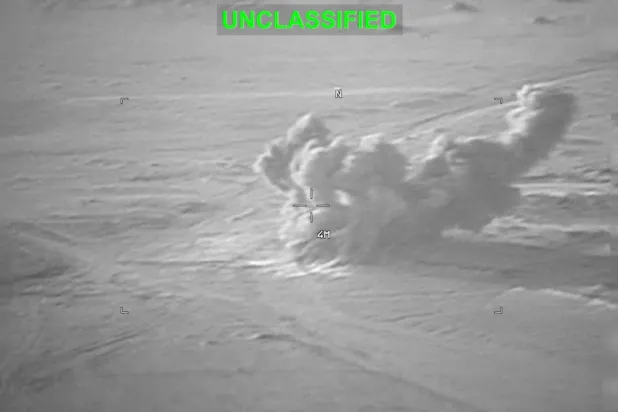
The conflict in the Middle East escalated at the start of the week, with the US launching attacks for the ninth consecutive night on Iran, while US allies Kuwait and Bahrain reported more Iranian attacks.
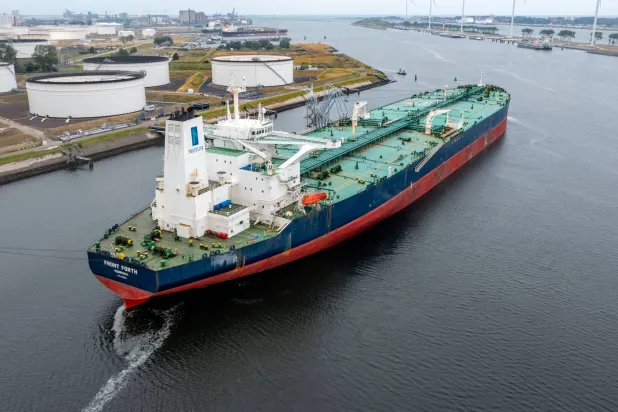
Iran's Revolutionary Guard said on Monday that two oil tankers were hit by explosions and stopped sailing after attempting to cross what it described as an unsafe southern corridor in the Strait of Hormuz, adding that the US military encouraged them to use that corridor.
Reuters was unable to verify the incident so far.
Analysts at ANZ said in a note: "The supply narrative has become more pessimistic. The expected recovery in shipping has effectively stalled, with volumes crossing the Strait of Hormuz falling to single digits."
London Stock Exchange Group data showed that four ships crossed the Strait of Hormuz on Sunday, down from eight the previous day. The data showed that at least three oil product tankers and one very large crude carrier entered the strait since Friday to load oil.
The United Kingdom Maritime Trade Operations said early Monday that a ship caught fire northwest of Khasab in Oman.
Shipping data showed that Gulf states boosted crude oil and condensate exports in the first half of July to their highest since before the outbreak of the Iran war in late February, but flows through the Strait of Hormuz are now slowing as fighting escalates.
The collapse of the ceasefire between the United States and Iran has renewed concerns about energy supplies crossing the strait. Before the war, about 20% of global oil supplies passed through this waterway.
Tehran urged the Houthis to close a route in the Red Sea if the United States launches attacks on Iranian energy infrastructure.
Amrpreet Singh, an analyst at Barclays, said in a note: "The coming days and weeks will provide a clearer picture of the sustainable level of oil exports from the region under the renewed dual blockades."
He added: "Under the current situation, we believe that oil markets are still too optimistic about the potential impact on inventories, which, unlike at the start of the war, have reached their lowest levels in the past five years."
Advertorial
Advertorial
Original source: Al Arabiya




Comments (0)
Be the first to comment.