Oil prices reach $100 per barrel for first time since May
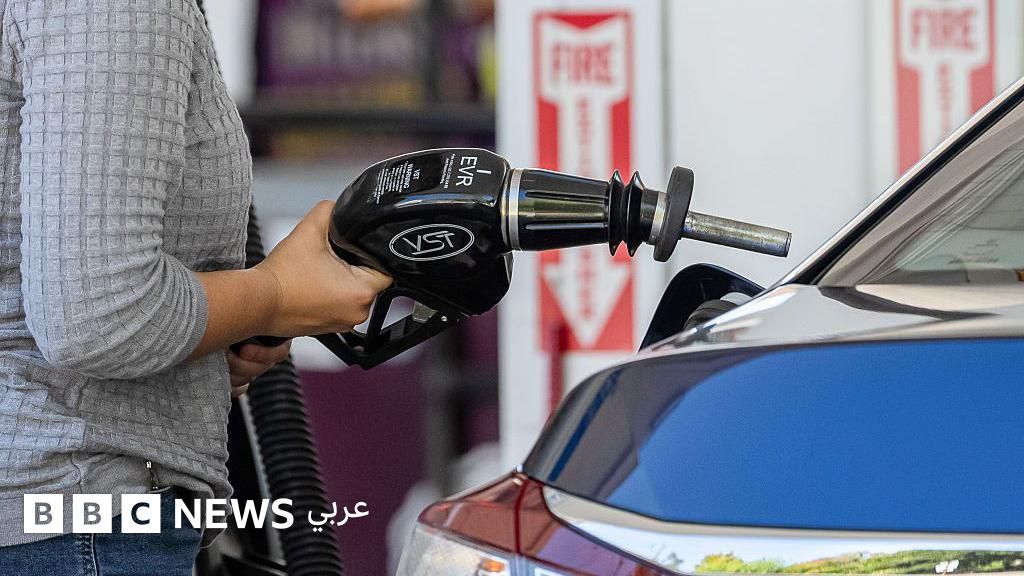
Oil prices reached $100 per barrel for the first time since May, as the US-Israeli war with Iran escalates and Houthi attacks on oil tankers raise concerns about global energy supplies.
Oil prices reach $100 per barrel for first time since May of this year
Article Information
Author, Michael Rice and Ben King
Published 14 minutes ago
Reading time: 3 minutes
For the first time since last May, oil prices have exceeded the $100 per barrel threshold, as the Middle East escalation resumes and revives concerns about the security of global energy supplies.
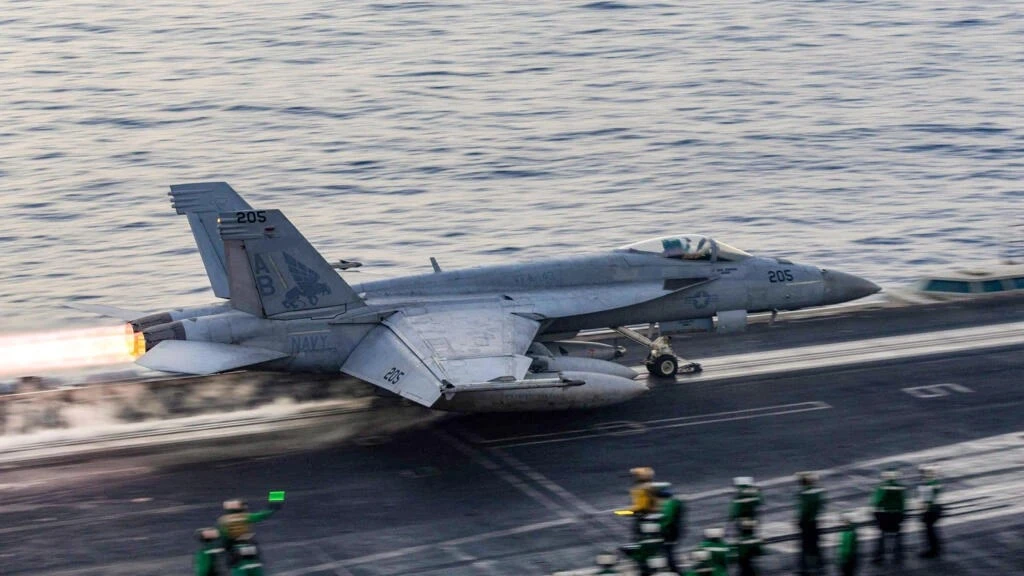
This rise comes at a time when US and Israeli military operations against Iran are escalating, with repercussions on navigation in vital oil shipping lanes.
Brent crude, the global oil benchmark, rose by more than 6% on Thursday, coinciding with the intensification of US military strikes against Iran after days of escalation.
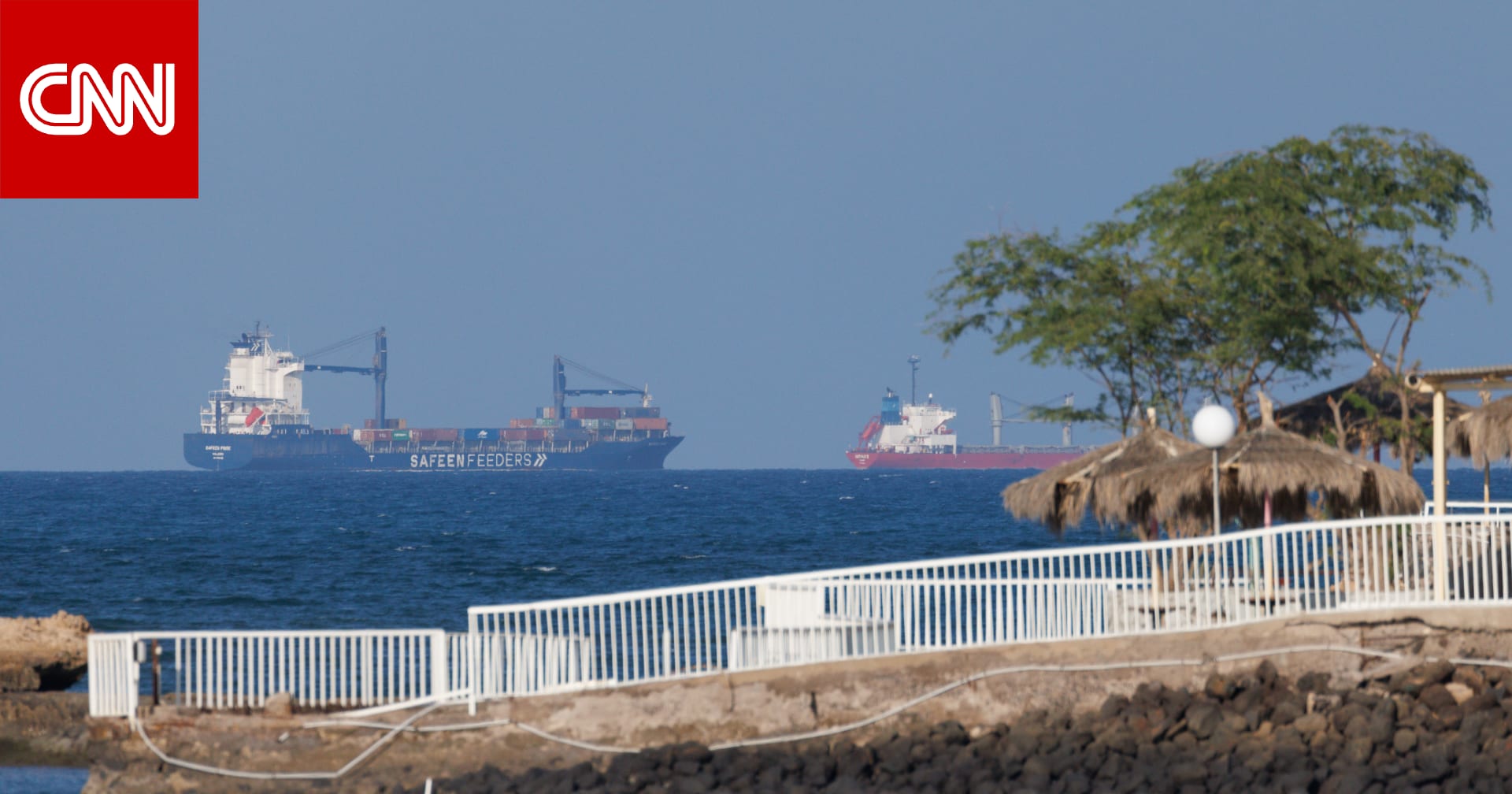
Prices jumped after the Houthi group in Yemen attacked oil tankers in the Red Sea, threatening a major oil export route used by Saudi Arabia to bypass the Strait of Hormuz.
Gas prices have also seen steady increases over the past month, with the benchmark UK gas price reaching about $1.99 per therm, compared to $1.30 at the end of June.
Oil prices had fallen after a temporary ceasefire between the United States and Iran, dropping to levels last seen before the US and Israel began their military operations against Iran on February 28.
But the truce agreement collapsed, and US Secretary of State Marco Rubio announced this week that Iranian officials "are not ready to reach a deal."
The continuation of the war threatens to push inflation rates higher in several countries, including the United Kingdom and the United States, leading to increased prices paid by consumers.
Rising oil prices typically lead to higher gasoline and diesel prices, and while drivers are directly affected, households may also see increases in other goods, such as food, as companies pass on higher transport costs to customers.
Skip most read and continue reading
Why do I keep waking up at 3 a.m.?
What is the story of the Egyptian child 'Makari Younan' who was excluded because of his religion?
Araghchi warns of repercussions of seizing countries' assets 'dangerous precedent', Washington continues strikes on Iran
How did camels fail to adapt to rising temperatures in Africa?
Skip podcast and continue reading
Worth attention
In-depth explanation of key events and topics to help you understand the most important changes around you and their impact on your life
Episodes
Podcast end
Inflation fell in both the United Kingdom, where it dropped to 2.6 percent in the year ending June, driven by slower rises in diesel and petrol prices, and in the United States, where it fell to 3.5 percent.
But there are still questions about whether this slowdown will be short-lived due to the renewed war in the Middle East.
New data released on Thursday showed that petrol prices in the UK have risen by about $0.067 per liter since the beginning of July, reaching about $2.08 US per liter.
The average price of a liter of diesel is about $2.29 US, according to the British automotive services organization 'RAC'.
In the United States, the average price of a gallon of gasoline has exceeded $4 again, up from $3.92 US a month ago, according to the American Automobile Association 'AAA' which advocates for drivers' interests.
Jonathan Raymond, investment director at 'Quilter Cheviot', said: 'The effects of rising fuel and energy prices can spread to the broader economy, increasing business costs and ultimately being reflected in food and other goods prices.'
He added: 'This creates another problem for central banks as they continue their battle against inflation.'
He continued: 'If energy prices remain high, policymakers may come under pressure to keep interest rates high for longer, or even raise them. That would be a blow to mortgage holders and borrowers who are already under pressure.'
Under temperatures reaching 50 degrees... The journey of smuggling Iranian fuel to Pakistan
What are the repercussions of the UAE's exit from OPEC on the organization and its relationship with Saudi Arabia?
The Bank of England, which sets interest rates in the United Kingdom, has kept them at 3.75 percent over its last four meetings.
Paul Dales, chief UK economist at 'Capital Economics', said he believes the bank will keep interest rates unchanged again 'almost certainly', but added that analysts still expect a possible cut next year if energy price increases subside.
Kevin Warsh, the newly appointed Chairman of the US Federal Reserve, told Congress last week that the central bank 'will not tolerate persistently high inflation'.
US President Donald Trump had pressured Warsh's predecessor, Jerome Powell, to cut interest rates, and Trump made clear he expects Warsh to carry out his demand to lower borrowing costs for Americans.
But the Federal Reserve kept US interest rates between 3.5 and 3.75 percent during its first meeting chaired by Warsh last month.
Warsh also told Congress he is committed to 'restoring price stability' in the wake of the war's impact on prices in the region.
Skip content and continue reading
Why is the US eyeing the Iranian island of Kharg? 30 March 2026
What is the importance of the Bab el-Mandeb Strait after the Houthis declared a 'naval blockade' on Saudi Arabia? 21 July 2026
Will oil continue to rise after the current jump? 13 July 2026
Content end
Discover more
Skip short clips and continue
Short clips
End of short clips
The continued escalation threatens to push inflation rates up in countries like the United Kingdom and the United States, which will be reflected in the prices of basic goods borne by consumers. Rising oil prices also increase fuel and transport costs, which may be reflected in food and service prices. Meanwhile, global markets remain under the weight of uncertainty about Middle East stability, especially with the collapse of the previous truce and continued Houthi attacks on oil tankers.
Original source: BBC Arabic



Comments (0)
Be the first to comment.