America threatens Iran and Houthis after striking oil tankers
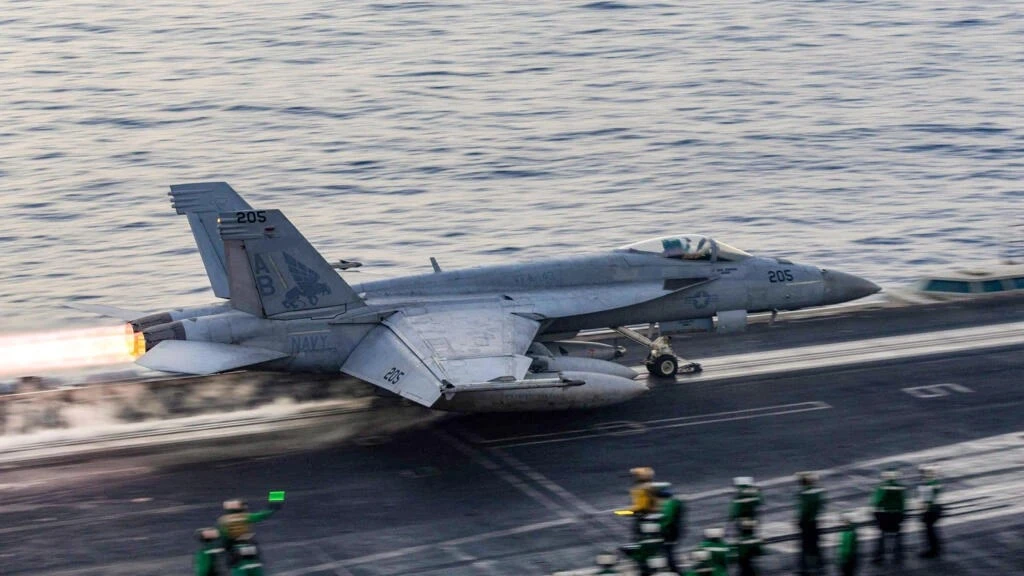
أعلنت الولايات المتحدة عزمها تصعيد عملياتها العسكرية ضد إيران والحوثيين بعد هجمات على ناقلات نفط في البحر الأحمر، مما رفع خام برنت فوق 100 دولار. وأثار التصعيد تحذيرات دولية من تداعيات على الاقتصاد العالمي.
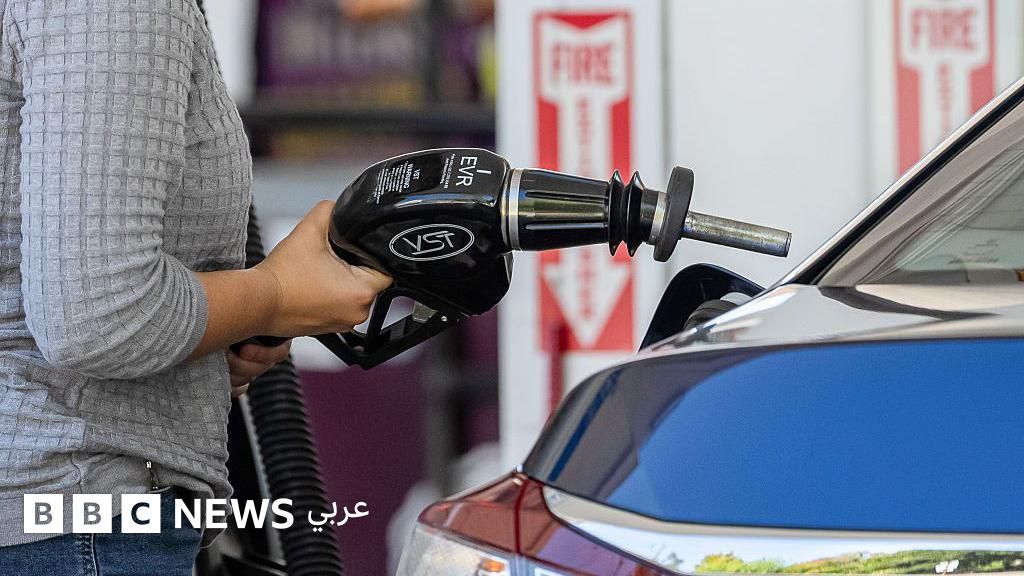
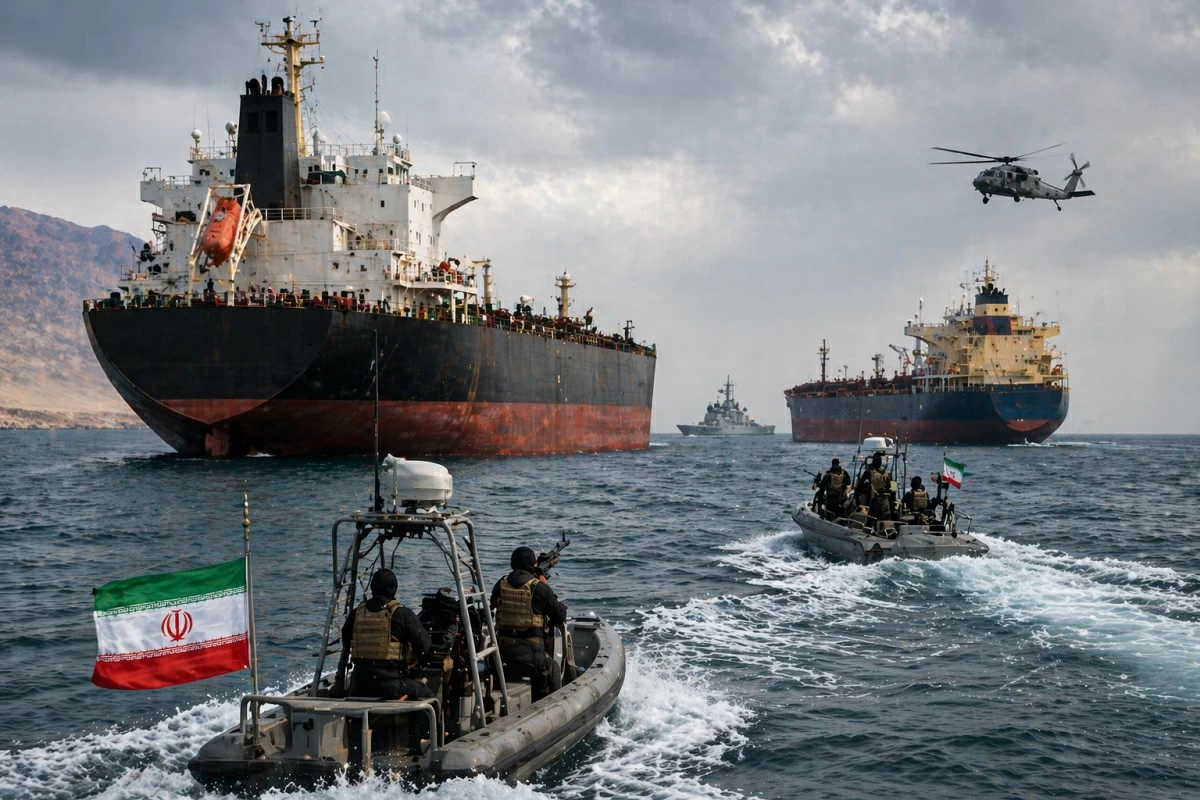
The United States has pledged to escalate its military operations against Iran and its Houthi allies, following the targeting of oil tankers and navigation linked to the Kingdom in the Red Sea, a development that drove global oil prices to spike sharply, with Brent crude exceeding $100 per barrel.
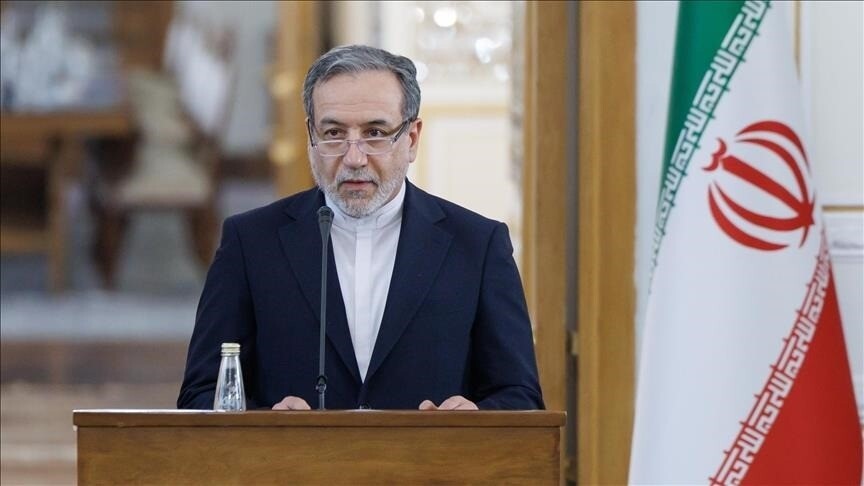
US President Donald Trump affirmed that Washington will hold Iran fully responsible for Houthi attacks, warning that Tehran and its allies will face "major military punishment." The US Central Command also explained that the ongoing strikes aim to weaken Iran's ability to threaten civilian and commercial navigation in the region.
The escalation has sparked widespread international concern, as UN Secretary-General António Guterres warned that the situation could spiral out of control, telling the Security Council that successive crises are pushing the region toward further escalation. European Central Bank President Christine Lagarde also warned of the repercussions of an "energy shock" on inflation and the global economy.
For his part, German Defense Minister Boris Pistorius noted that continued disruptions in energy markets will have "grave consequences" for oil-importing countries, amid a lack of indicators pointing to an imminent ceasefire or political settlement to end the escalating confrontation.
As Washington and Tehran exchanged accusations over responsibility for the escalation, Oman revealed diplomatic moves to resume talks between the Kingdom and the Houthis, expressing deep concern over the deteriorating situation in the Red Sea and warning that the widening circle of tension threatens navigation security and regional stability.
Original source: Akhbaar24


Comments (0)
Be the first to comment.