Oil surplus weakens Iran's negotiating position with Washington: Report reveals

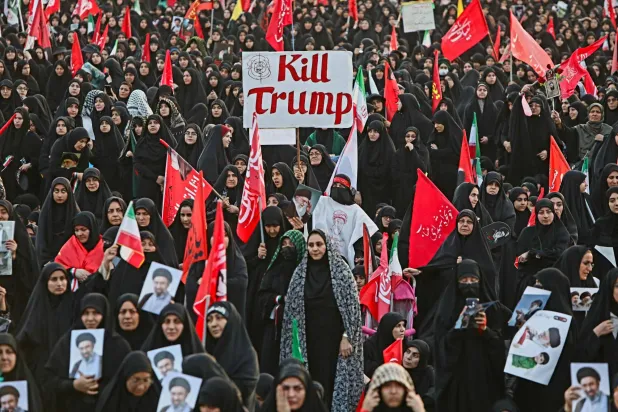
As Iran continues the funeral ceremonies for its former Supreme Leader, Ali Khamenei, the country stands at the heart of a complex landscape blending diplomatic stalemate and the tanker war crisis.
Global oil markets have begun to gradually regain calm after the war stopped, with crude prices falling to pre-war levels, and oil tanker traffic through the Strait of Hormuz accelerating, as major Gulf producers resume operations at wells that had been shut down.
However, full recovery still depends on rebuilding global oil inventories, a process that could take months or even years, according to a report published by the American newspaper The Wall Street Journal.
Video Player is loading.
Current Time 0:00
Duration 2:22
Loaded: 2.80%
Remaining Time 2:22
This recovery reshuffles the cards between the energy file and the negotiating balances between Washington and Tehran, and strengthens the role of inventories in reshaping the power dynamics between the two sides, in a way that contradicts what Tehran had expected.
The Wall Street Journal said that the size of global oil inventories plays a pivotal role in the power dynamics between the United States and Iran: the faster countries refill their crude oil inventories, the weaker Iran's ability to threaten the global economy by monopolizing the Strait of Hormuz.
Oil Storage and Negotiating Power
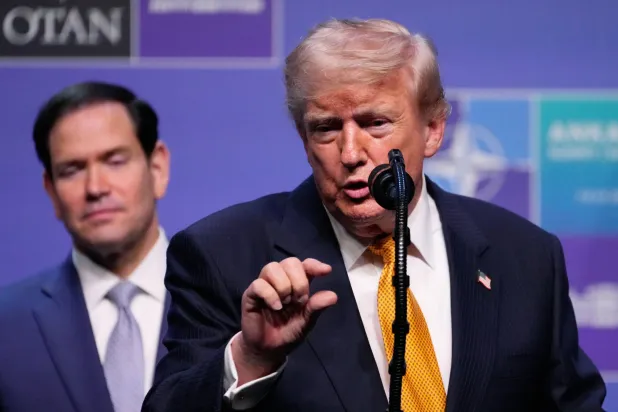
Last week, U.S. Vice President JD Vance explicitly linked oil storage to negotiating power.
Vance said in a television interview that the United States signed a memorandum of understanding with Iran to allow the world "to refill some inventories, and then find out Tehran's position," referring to its stance at the negotiating table.
Oil storage systems consist of a mix of commercially owned tanks located near refineries, oil-laden ships at sea, and strategic reserves managed by governments.
Although reconstituting these reserves will take longer than the 60-day deadline stipulated in the U.S.-Iran memorandum of understanding, two key factors could accelerate the process: lower oil prices and a sudden surplus in global supply.
Analysts expect oil prices to fall to around $60 per barrel in the coming months, which could provide further reductions in energy and transportation costs.
Meanwhile, navigation through the Strait of Hormuz has largely recovered, with the average number of transiting tankers rising to between 30 and 60 per day—still below pre-war levels but enough to ease pressure on global markets.
Advertisement
Advertisement
Original source: Al Arabiya



Comments (0)
Be the first to comment.