"Qalibaf": Strait of Hormuz will not return to what it was.. Either everyone or no one

تشهد المنطقة توترات متصاعدة إثر تصريحات رئيس البرلمان الإيراني بشأن مضيق هرمز والرد الأمريكي الحاسم من جانب دونالد ترامب.
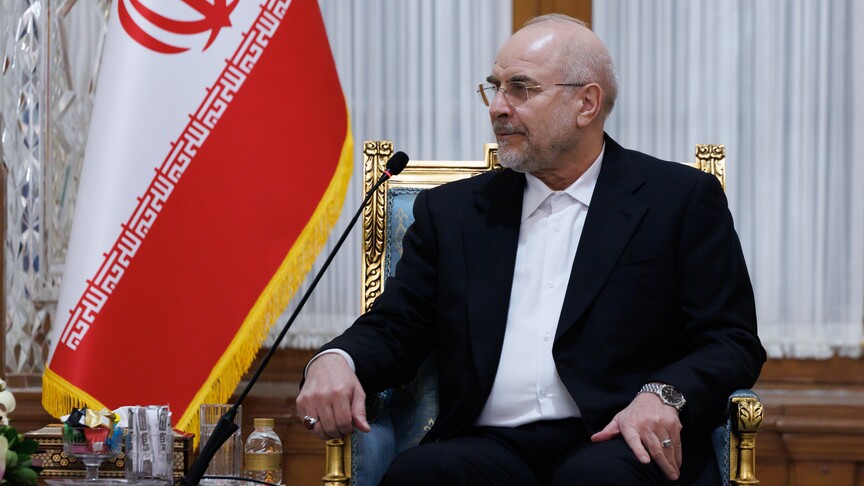
Iranian Parliament Speaker Mohammad Baqer Qalibaf stated on Wednesday that 'the equation of this war is clear: either everyone or no one,' stressing that Tehran had previously announced that 'the situation in the Strait of Hormuz will not return to what it was before the war.'
Qalibaf added in a post on the platform 'X' that 'no infrastructure will be secure if Iran's security is not achieved,' pointing out that 'the security of the Strait of Hormuz is achieved in the absence of American forces,' and warning that 'the region where Iran does not sell oil, no one will sell oil there.'
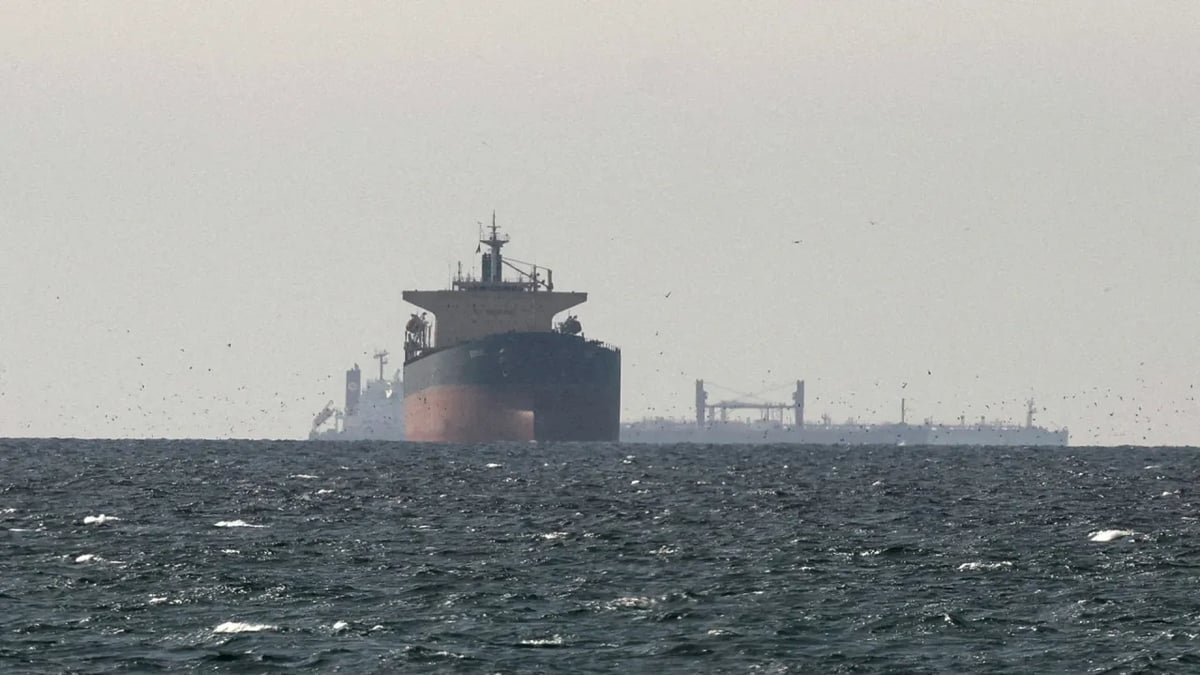
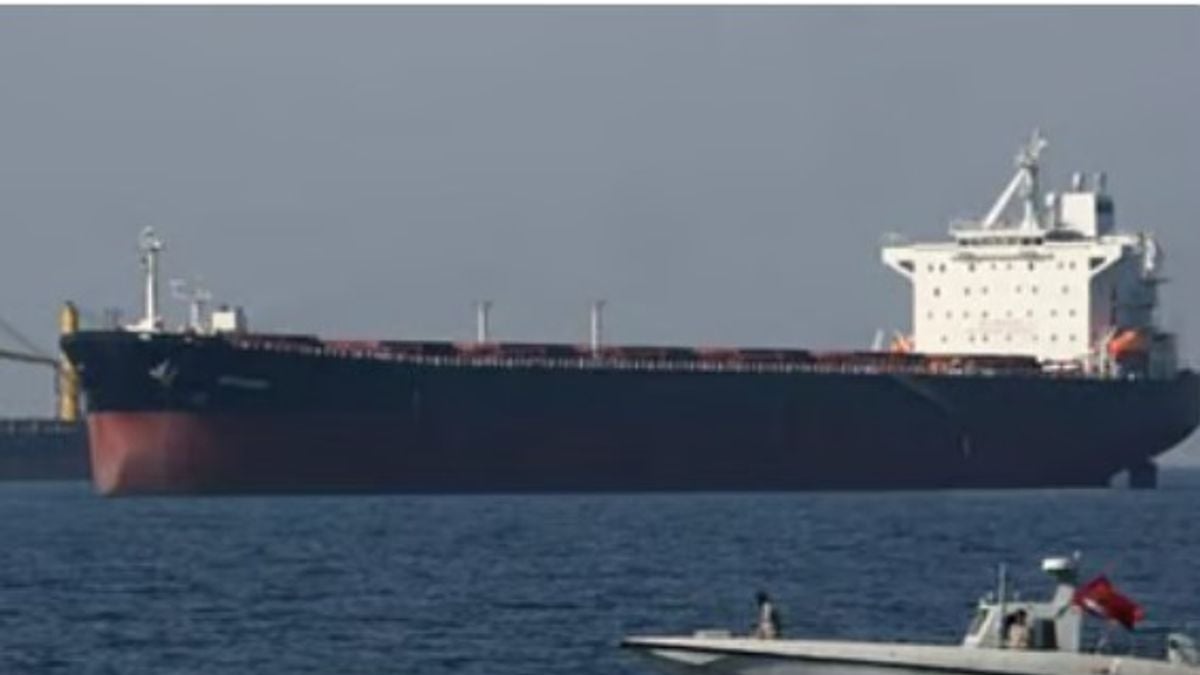
These statements came after the US Central Command (CENTCOM) announced the continuation of the naval blockade measures imposed on Iran, confirming the diversion of 9 commercial vessels and the disabling of one vessel until July 22, with the aim of ensuring full compliance with the adopted procedures.
In contrast, US President Donald Trump announced that the United States will respond militarily to any Iranian targeting of ships in the Strait of Hormuz, warning that any attack with a missile, drone, or any other means will be met with American bombing of a vital facility inside Iran.
Trump wrote in a post on the platform 'Truth Social' that Washington will 'bomb and destroy a bridge or a power plant' if Iran fires on any ship in the strait, noting that the targets may include facilities near or inside the capital Tehran.
The Strait of Hormuz has become a key pressure card in the ongoing conflict in the Middle East; as Iran closed it following the US-Israeli attack on it on February 28, and has since insisted on controlling navigation in it, which Washington and the region's countries reject.
The dispute over the strait sparked the resumption of hostilities on July 7, weeks after signing a memorandum of understanding in mid-June with Pakistani mediation, which was paving the way for negotiations to reach a final agreement within 60 days.
Tehran insists on imposing what it calls a 'service fee' on ships passing through the strait, while Washington adheres to the principle of freedom of international navigation, as both sides affirm their focus on military confrontation while keeping a diplomatic window open without serious steps so far.
Original source: Sabq

Comments (0)
Be the first to comment.