Report Claims Iran Rejected US Ceasefire Proposal Conveyed by al-Zaidi; Baghdad Denies

نفت الحكومة العراقية صحة ما نشرته صحيفة أميركية بشأن رفض طهران مقترحاً لوقف إطلاق النار نقله رئيس الوزراء العراقي، في وقت تستمر فيه التوترات الدبلوماسية والسياسية بالمنطقة.
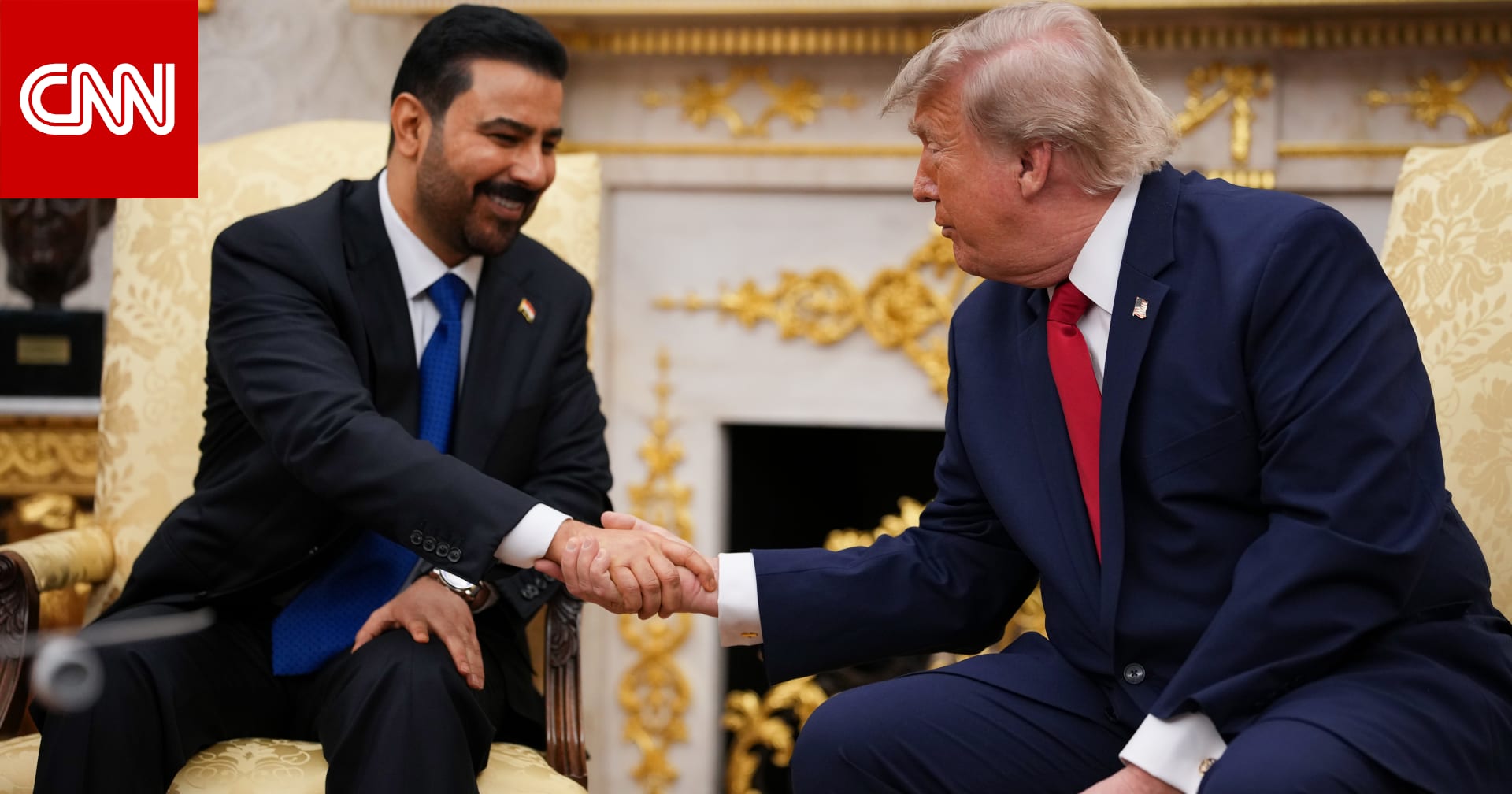
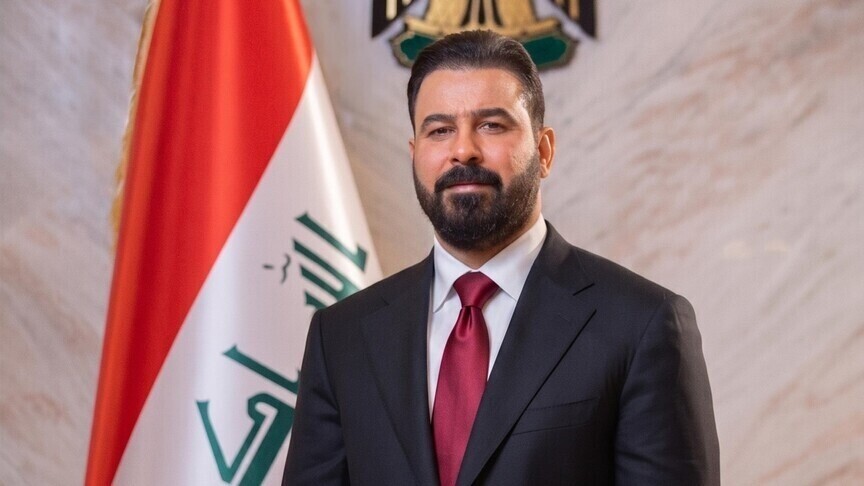
The New York Times reported, citing Iranian and Iraqi officials, that Iran on Thursday rejected a ceasefire proposal put forward by US President Donald Trump and conveyed to Tehran by Iraqi Prime Minister Ali al-Zaidi, while Baghdad denied the reports.
Details of the ceasefire proposal were not immediately clear, but Iranian officials told the newspaper that this offer was "the only one on the table" and that their government "is not interested in a temporary agreement that leaves the issue of control of the Strait of Hormuz unresolved."
The newspaper noted that the failure of mediation efforts came as Trump threatened to escalate the war with Iran and target critical infrastructure.
Iraq and Iran deny
But in contrast, Iran's official IRNA news agency quoted an informed source as saying that the US newspaper's report was "untrue," adding that Tehran "has always attached importance to diplomacy."
The media office of the Iraqi prime minister also denied The New York Times report about mediation for a ceasefire between Washington and Tehran, according to the Iraqi News Agency (INA).
In a statement, the media office affirmed that the allegations in The New York Times report were "unfounded and have no relation to reality." It called on "all media to verify accuracy and rely on official sources, and not to circulate undocumented information attributed to unknown sources."
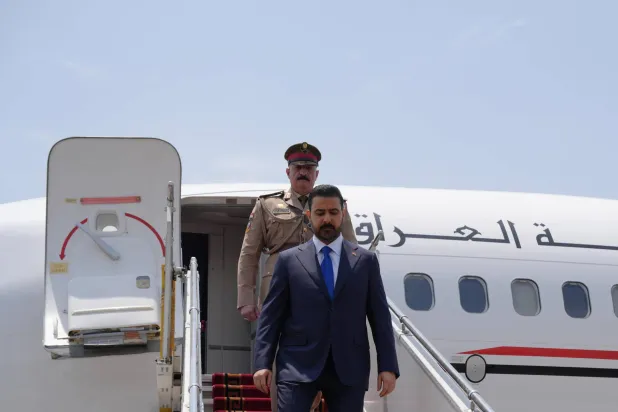
Al-Zaidi traveled to Tehran at the head of a delegation of senior Iraqi officials, where he met with Iranian President Masoud Pezeshkian, chief Iranian negotiator Mohammad Bagher Ghalibaf, and Foreign Minister Abbas Araghchi.
Araghchi told Iranian television that Tehran and Baghdad "are linked by mutual economic, political, and security interests and close relations," adding that al-Zaidi's visit "is of particular importance given the current conditions in the region."
Araghchi added that al-Zaidi presented "his views and impressions" of his visit to Washington, but said that Tehran and Washington already have enough mediators.
He continued: "The problem is not in conveying messages, but in the American approach, which is illogical, greedy, and seeks hegemony."
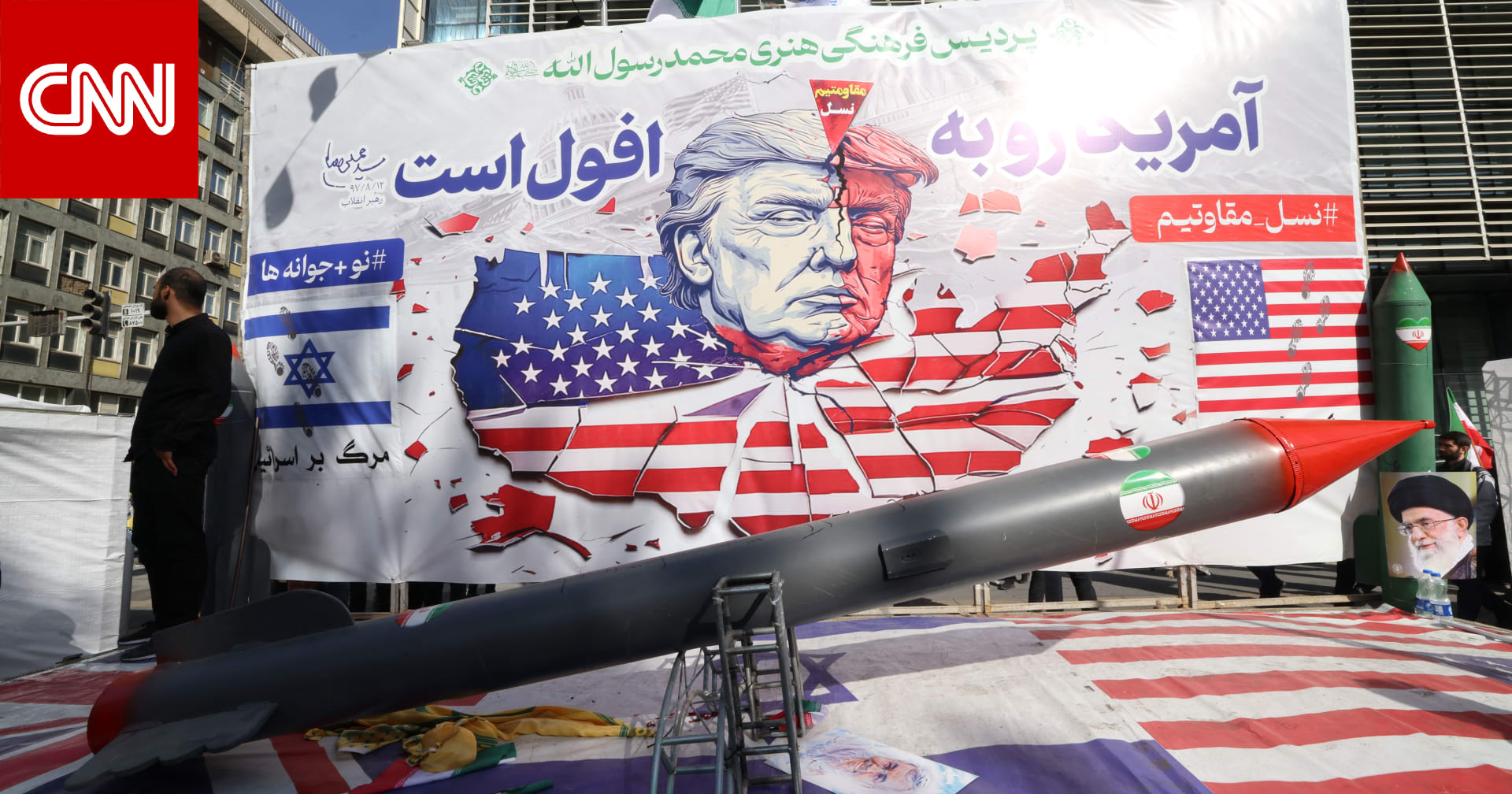
Washington and Tehran have escalated attacks in recent weeks, with US forces bombing military bases and infrastructure facilities in Iran, including railways, bridges, and sea ports. In response, Iran launched attacks with ballistic missiles and drones on countries in the region.
"Dialogue to resolve crises"
Iraq and Iran, in a joint statement issued on Thursday following al-Zaidi's visit to Tehran, affirmed that resolving regional crises can only be achieved through dialogue and with the participation of regional countries, stressing the need to adopt political solutions to enhance security and stability.
The two sides stressed, in the statement published by the Iraqi prime minister's media office, that addressing the region's crises requires rejecting external interference, whether military or political, affirming that dialogue and regional cooperation represent the optimal way to address common challenges.
Iraqi Foreign Minister Fuad Hussein had confirmed Baghdad's readiness to act as mediator between Tehran and Washington.
Hussein said in an interview with Al-Sharq in Washington last Friday that Baghdad is ready to play a mediating role between Tehran and Washington, especially on economic files, stressing that the priority at the current stage is to stop the war and create conditions for dialogue.
Original source: Asharq News

Comments (0)
Be the first to comment.