Report: Iran rejects US ceasefire proposal conveyed via Iraq
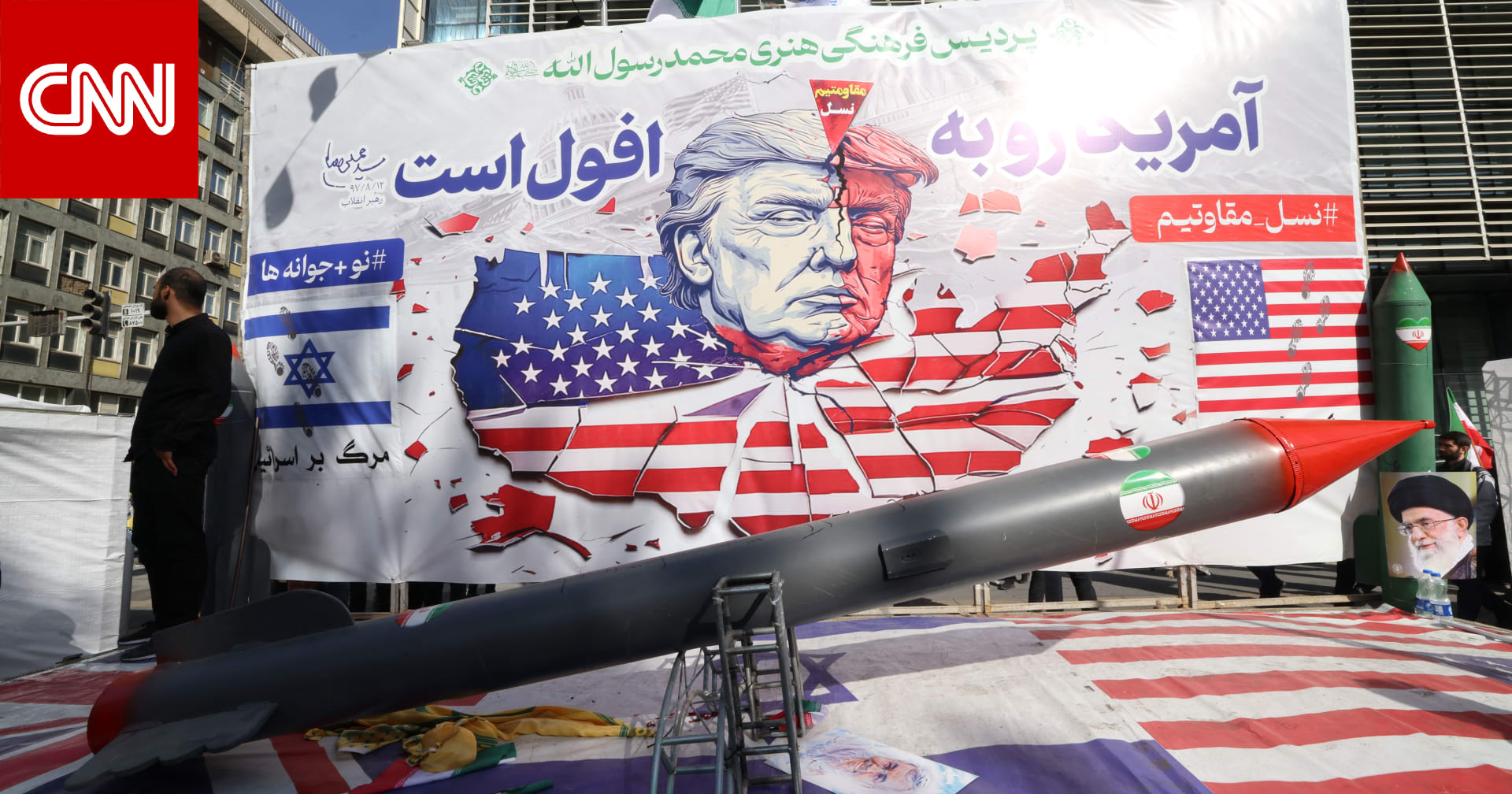
The New York Times reported, citing unnamed Iranian and Iraqi officials, that Iran on Thursday rejected a US ceasefire proposal that Iraqi Prime Minister Ali al-Zaidi conveyed to Tehran.
The New York Times reported, citing Iranian and Iraqi sources who requested anonymity, that Tehran on Thursday responded with rejection to a US ceasefire initiative conveyed by Iraqi Prime Minister Ali al-Zaidi.
These diplomatic developments come amid extreme geographical and political sensitivity related to the security of international navigation in the Gulf region and the Strait of Hormuz.
Despite the lack of comprehensive details of the initiative, Iranian sources told the newspaper that the administration in Tehran refuses to engage in a temporary truce that overlooks resolving the issue of control over the Strait of Hormuz.
CNN has reached out to the White House for comment.
This rejection comes after about two weeks of mutual military escalation between Washington and Tehran.
Iran continued attacking ships in the Strait of Hormuz — despite the reimposition of the US naval blockade — and striking US targets in the Middle East, while the United States bombed military bases and infrastructure across Iran.
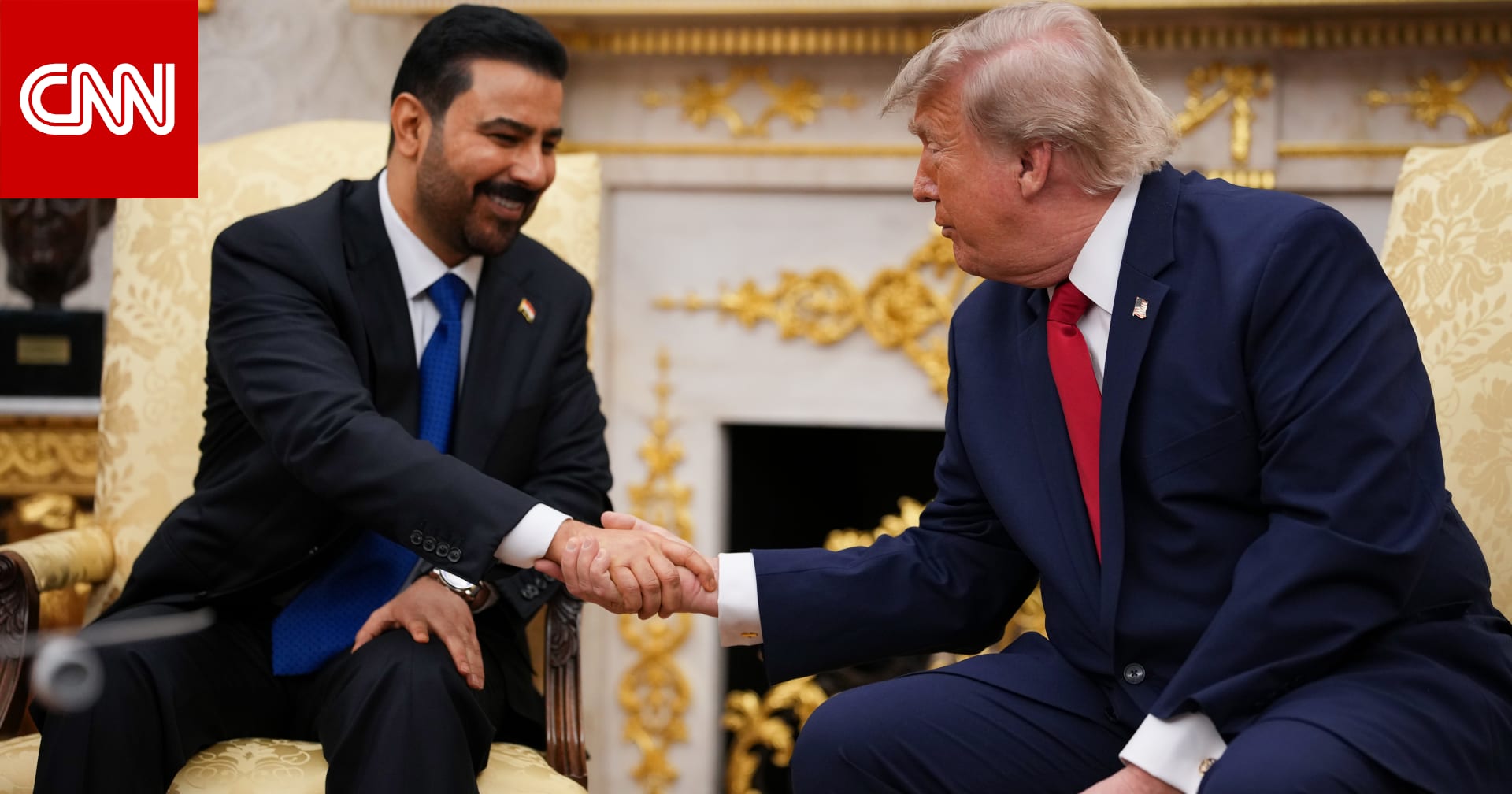
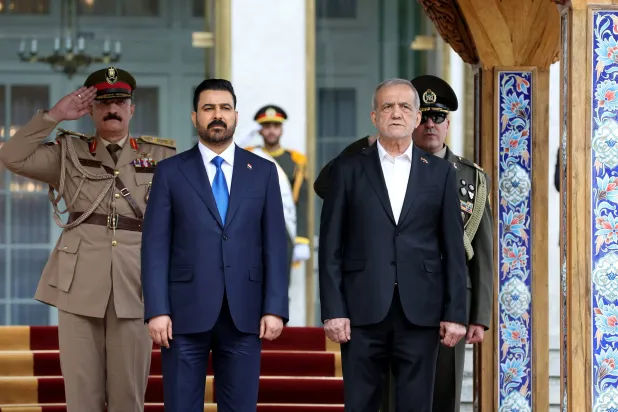
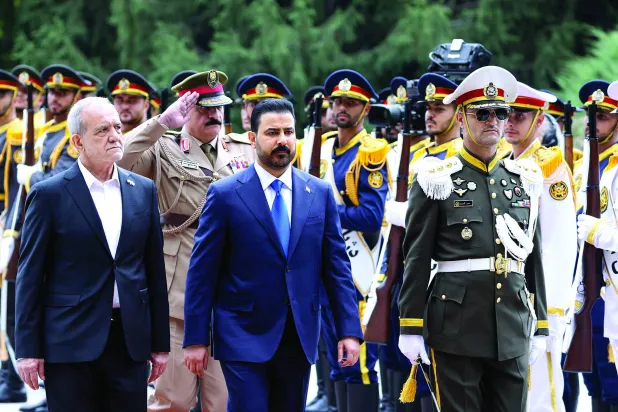
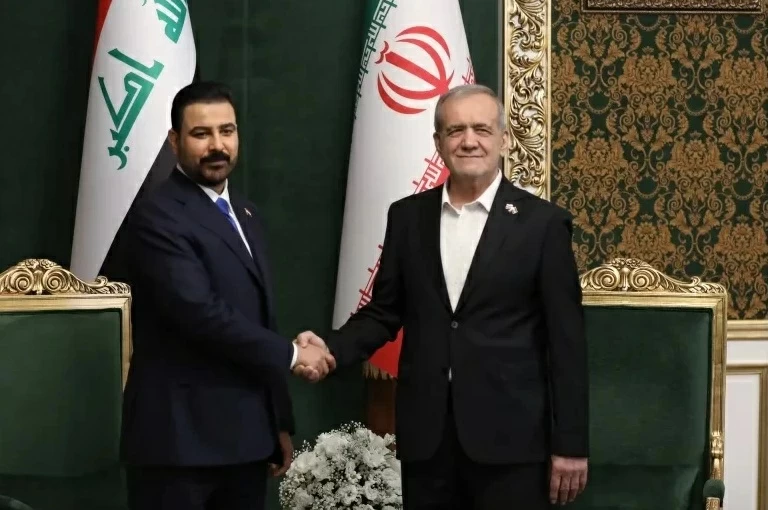
The Iraqi prime minister visited Tehran on Thursday, following his meeting with US President Donald Trump at the White House earlier last week.
Ahead of the visit, Iranian Foreign Minister Abbas Araghchi stated that al-Zaidi was conveying messages and viewpoints from Trump, but stressed that Tehran was not seeking further mediation with the United States.
In remarks carried by Iran's official state broadcaster, Araghchi considered that "the main obstacle is the irrational US approach."
In response, Trump adopted a similarly harsh tone on Thursday, saying Iran is "not ready" to reach a deal and that its leaders "harbor evil intentions."
These developments reflect the depth of the diplomatic rift between Washington and Tehran amid ongoing regional military confrontations and imposed maritime restrictions. Issues of navigation security and control over vital waterways remain a core obstacle hindering any efforts at de-escalation. The impact of these stalled diplomatic efforts on the course of military operations in the near future will need to be monitored. Regional mediations also emerge as a key tool in attempting to bridge the gap between the two sides despite the firmness of stated positions.
Original source: CNN Arabic

Comments (0)
Be the first to comment.