Revealing 'Tryonda Final' for the 2026 World Cup Final

Ibrahim bin Mohammed
Saturday, July 18, 2026 14:29 | 2 minutes read
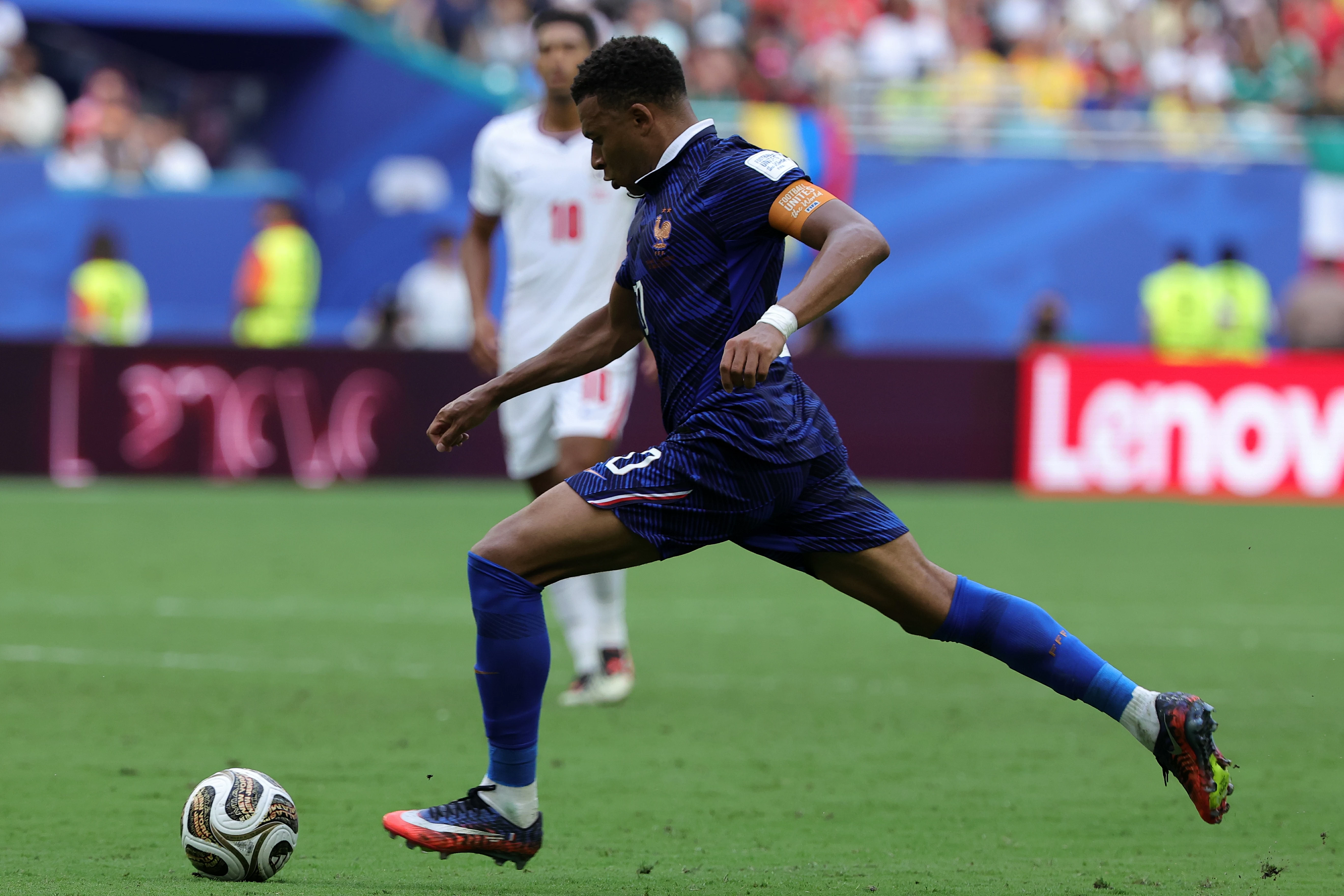
The German company Adidas, in collaboration with the International Federation of Association Football (FIFA), officially announced the official ball for the final stages of the 2026 World Cup, named 'Tryonda Final', which will be used exclusively in the semi-final matches, the third-place match, and the grand final match between Spain and Argentina at MetLife Stadium.
Adidas set the official price for the professional match version at 859 Saudi riyals ($170 to $180) for the premium version, which is the same price range as the first edition launched last October.
Adidas is following a dual production strategy for the biggest World Cup in history, with a limited and controlled quantity of less than 5,000 balls manufactured, intended solely for actual use in the last four matches and in the training sessions of the qualified teams. This limitation is due to the high cost of integrating motion sensors with a frequency of 500 Hz inside the ball's center.
The company has released approximately 3 to 4 million copies through its official outlets worldwide to meet the expected record demand from fans and collectors, taking advantage of the unprecedented expansion of the tournament, which includes 48 teams and is hosted by 16 cities.
Sales of 'Tryonda Final' are expected to boost Adidas's football segment profits by more than 12% in the third quarter of 2026, driven by historic fan momentum in North American markets.
The outer layers of the ball are made from 100% recycled materials (recycled thermoplastic polyurethane), reducing carbon emissions from production processes by 20% compared to previous World Cup balls, in line with the strict sustainability standards imposed by FIFA for the economic and environmental structuring of the tournament.
The inclusion of the names of the host cities for the final stages in gold on the ball's structure (New York, Dallas, Atlanta, Miami) enhances the commemorative marketing value of the ball in these U.S. states, stimulating local retail sales, which are expected to account for 40% of the ball's total global sales.
Original source: Aleqtisadiah




Comments (0)
Be the first to comment.