Rising Oil Pushes Inflation Back to the Forefront.. Will the Fed's Calculations Change?

Global markets anticipate a busy week amid renewed US-Iran tensions. Oil prices rise, fueling inflation concerns and potentially altering Fed rate expectations.
Mohamed Hashad, global markets expert, said that global markets are anticipating a busy week, led by renewed tensions between the United States and Iran, stressing that this file has a direct impact on various asset classes, including currencies, oil, gold, and stocks.
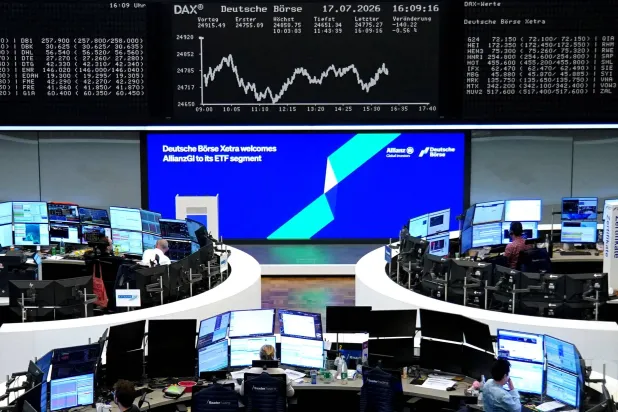
Hashad explained, in an interview with Al Arabiya Business, that the focus of investors in the US stock market is currently on the earnings season, which provided support to US indices at the beginning of the week, helping them recover part of the previous session's losses, driven particularly by the performance of the semiconductor sector.
Emerging market stocks rise with Chinese support.. and anticipation of a breakthrough between Washington and Tehran
He noted that 3M's stock jumped more than 10% after its earnings release, while General Motors' results beat expectations on both revenue and profit, adding that investors are also monitoring companies' spending plans on artificial intelligence technologies, as a key factor in assessing future performance.
He added that investor sentiment improved during today's trading, as US stocks managed to rise despite ongoing geopolitical tensions between Washington and Tehran, indicating that corporate earnings have become the main driver of markets at present.
Currency Market
Hashad affirmed that inflation is the most influential factor in currency and exchange rate movements, after labor market data and economic growth, pointing out that continued escalation between the US and Iran could push energy prices higher, which directly impacts inflation expectations.
He pointed out that West Texas Intermediate crude recorded its highest levels since last June, warning that an expansion of the conflict could push oil prices above $120 per barrel, which would increase inflationary pressures globally.
He mentioned that this scenario could prompt the Federal Reserve to keep interest rates at elevated levels for longer, and may even bring back the option of raising rates if inflationary pressures persist.
Hashad noted that market bets on a US interest rate hike rose, according to the CME Group's FedWatch tool, to 83% compared to 76% the previous day, stressing that inflation will remain the decisive factor in determining the direction of the dollar and US monetary policy.
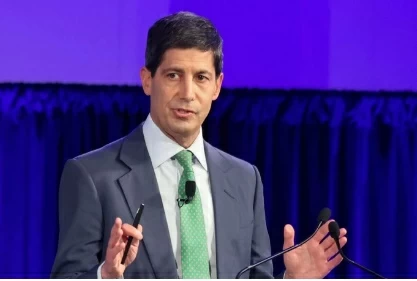
He indicated that the statements of Federal Reserve Governor Kevin Warsh, in which he affirmed that 'the battle against inflation is not over yet,' reflect the US central bank's continued reliance on economic data in charting the path of interest rates in the coming period.
Advertisement
Advertisement
Original source: www.alarabiya.net



Comments (0)
Be the first to comment.